Iran-China Cooperation Agreement: A Document of Development or Betrayal of National Interests?
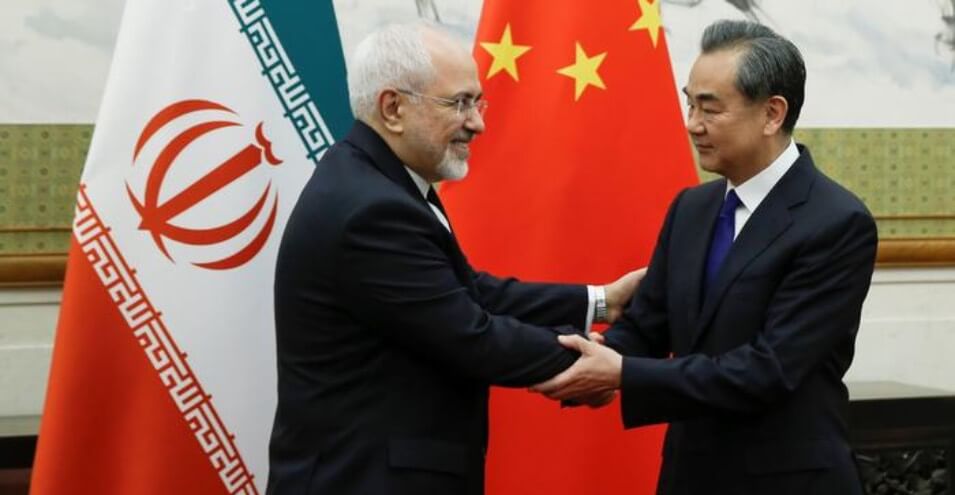
گروهی سند همکاری ۲۵ ساله ایران و چین را خیانت به منافع ملی میدانند. برخی میگویند سندی برای توسعه است و باید با “شهامت” از آن دفاع کرد، اما پنهان از چشم مردم. چرا مردم حق اطلاع از جزئیات این سند را ندارند؟
اسحاق جهانگیری، معاون اول حسن روحانی، رئیس جمهوری ایران روز سهشنبه ۱۷ تیر در نشست “ستاد هماهنگی روابط اقتصادی خارجی” گفت: «باید با شهامت از توسعه روابط راهبردی کشورمان با پکن دفاع کنیم». اشاره او به پیشنویس سندی است که حوزههای مختلفی را در بر میگیرد، از “برنامهریزی اقتصادی، ازجمله نفت و گاز، صنایع الکترونیک، حوزههای دانش بنیان و …” و بر اساس برخی منابع بر سر سرمایهگذاری نجومی چین در صنایع نفت و گاز ایران در حجمی معادل ۲۸۰ میلیارد دلار. علیرغم این مبلغ نجومی و گستردگی قرارداد، هنوز منابع رسمی اطلاعات لازم درباره این سند در اختیار افکار عمومی قرار ندادهاند.
اطلاعات جسته و گریختهای که درباره این سند منتشر شده، آن را به موضوع گمانهزنیهای بسیار در میان موافقان و مخالفان جمهوری اسلامی در داخل و خارج از تبدیل کرده و مقامهای جمهوری اسلامی را نیز به تناقضگویی انداخته است. علی ربیعی، سخنگوی دولت روز سهشنبه ۱۷ تیر در نشست خبری هفتگی با رسانهها گفت: «درباره سند همکاری ۲۵ ساله با چین هیچ چیز محرمانه و مخفیانهای وجود ندارد. و هر زمان که توافقی در این زمینه به دست آید، همان زمان هم اعلام میشود».
ارجح بودن ملاحظات و تمایلات چین بر ملاحظات مردم
اما محسن بهاروند، معاونت حقوقی و بینالملل وزارت امور خارجه به خبرگزاری میزان گفته چون این سند هنوز موضوع مذاکره است نمیتوانیم آن را علنی کنیم. چرا؟ چون به گفته او “شاید کشور مقابل (چین) هم بنا بر ملاحظات خود تمایل نداشته باشد، مورد مذاکره افشا شود و چه بسا این درز اطلاعات باعث سلب اعتماد طرفین از یکدیگر شود”.
محسن بهاروند بدون اسم بردن از کسی گفت: «یک آقایی آمد یک حرفی زد، همه را با مشکل روبهرو کرد؛ معمولا ایشان هر وقت هم حرف میزد دیگران را با مشکل روبهرو میکرد و جامعه را به هم میریخت».
“آقای” مورد اشاره بهاروند محمود احمدینژاد، رئیس جمهور سابق است که روز هفتم تیر در گیلان به مذاکرات بر سر این سند اشاره کرده و خطاب به حکومت پرسیده بود: «مگر شما مالک کشور هستید که بدون اطلاع ملت و از کیسه ملت به دیگران میبخشید؟»
“چرا مردم از جزئیات این سند بیاطلاعند؟”
روزنامه جمهوری اسلامی در سرمقاله روز سهشنبه ۱۷ تیر خود در انتقاد از پنهان نگاه داشتن محتوای این سند از افکار عمومی نوشت چین و ایران یک سال است که در حال تلاش برای نهائی کردن سند ۲۵ سالهاند و پرسیده است: «چرا مردم از جزئیات این سند بیاطلاعند؟ بعضی افراد ادعا کردهاند از محتوای این سند خبردار شدهاند. اگر چنین است، چرا عموم مردم نباید از آن مطلع شوند؟»
این روزنامه در مقابل مسئولانی که “ملاحظات” و “تمایل” چینیها را محور قرار میدهند، نوشته است: «گفتهاند چین نگران است که شاید اعلام آشکار محتوای این سند، موجب کارشکنی آمریکا شود. اگر واقعاً چینیها چنین نگرانی عجیبی دارند، همین کافی است که نتیجه بگیریم آنها قابل اعتماد نیستند. کشوری که ادعای ابرقدرتی دارد، چرا از کارشکنی آمریکا نگران است؟ نگران خودش هست یا ایران؟»
سندی بلند مدت با کشوری که “زخمهای” بجا ماندنی به ایران زده است
سرمقاله جمهوری اسلامی یک قدم پیشتر رفته و به سابقه مناسبات دو کشور و “متحدی” اشاره کرده است که در طول مناسبات خود با ایران تنها به منافع یکجانبه خود توجه کرده است. این روزنامه نوشته است: «درست در زمانی که بحثهای مربوط به سند ۲۵ ساله ایران و چین مطرح است، چین آشکارا اعلام میکند نفت عربستان را جایگزین نفت ایران کرده است. درحالی که ما هنوز زخمهای برجای مانده از تخلفات چین در قرارداد ارزی دوران دولت احمدینژاد، که یک ترکمانچای ارزی بود، را بر تن داریم، نباید به قرارداد دیگری آنهم ۲۵ ساله با چین تن بدهیم».
اشاره روزنامه جمهوری اسلامی به قراردادی است که در سال ۱۳۸۷ و در دولت احمدینژاد با چین منعقد شد. قراردادی که به درستی عنوان “ترکمنچای ارزی” بر آن گذاشته شد. بر أساس این قرارداد چین در مقابل صادارت نفتی ایران پولی به این کشور پرداخت نمیکرد و از آن به عنوان ضمانت “ال سی”های خرید کالاهای چینی استفاده میکرد. حتی مدیریت این پول نه برعهده ایران که چین بود. قراردادی به شدت خفتبار که جمهوری اسلامی را مسئول زیان ناشی از نوسانات ارزی و از بین رفتن پول میکرد. قراردادی که با مخالفت و عدم پیگیری مجلس هشتم و نهم روبرو شد.
دعوا بر سر لحاف ملا نصرالدین است
در میانه گمانهزنیها بر سر این که هدف محمود احمدینژاد از افشاگری درباره سند قرارداده ۲۵ ساله ایران انتخابات ریاست جمهوری بعدی است، مجیدرضا حریری، رئیس اتاق بازرگانی ایران و چین در یادداشت اختصاصی برای سایت “راهبرد معاصر” به سابقه این سند (دیماه ۹۴ و زمانی که رئیس جمهور چین به ایران سفر کرد) اشاره کرده و پرسیده است: «چرا این توافقنامه جامع پیش از این زمان مورد توجه دو کشور برای همکاری قرار نگرفته است؟»
به گفته او محمدجواد ظریف تابستان گذشته «جدیدترین پیشنهادهای اقتصادی مورد نظر ایران را به اطلاع طرف چینی رساند و مورد قبول چینیها قرار گرفت. قاعدتا انتظار میرفت دولت در این مدت پیشنهادات خود را به شکل جدی و منسجمتری به طرف چینی عرضه میکرد».
مجیدرضا حریری توجه میدهد که از عمر دولت روحانی تنها یک سال باقی مانده است و امضای نهایی و اجرایی شدن این قرارداد اصلا به دولت روحانی قد نمیدهد، “لذا در حال حاضر دعوا بر سر لحاف ملا نصرالدین است”؛ دعوایی میان موافقان و مخالفان دولت که به گفته مجیدرضا حریری “قرارداد را به دلخواه خود تفسیر می کنند” و گمانهزنی میکند که “چین ما را استعمار می کند یا قرار است به مستعمره چین تبدیل شویم”.
“قراردادی ننگین” و از “موضع ضعف”
در میان ایرانیان خارج از کشور نیز قرارداد ۲۵ ساله ایران و چین مخالفان بسیاری دارد که آن را با قرارداد ترکمانچای مقایسه میکنند و خیانت به منافع ملی ایران میدانند. رضا پهلوی، آخرین شاهزاده ایران در حساب توییتری خود از قرار داد یاد شده به عنوان “قراردادی ننگین” یاد کرده که هدفش “تاراج منابع کشور و پذیرش ارتش بیگانه در خاک میهن” است.
Source: DW