Michelle Bachelet: The November 2019 crackdown in Iran was "the worst example of state violence in decades"
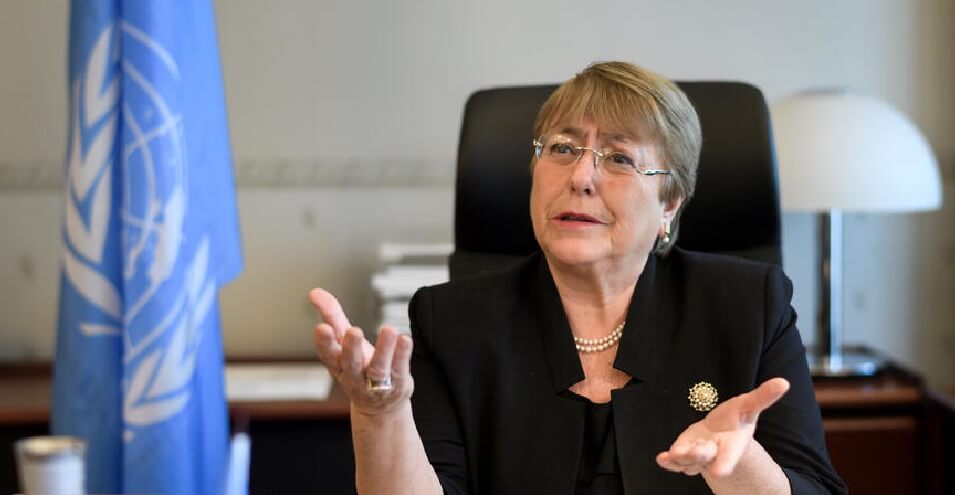
Referring to the recent report by the UN Secretary-General, the UN High Commissioner for Human Rights said in a statement that the report reveals a "disturbing human rights outlook" for Iranian men and women of all religions, ethnicities, and social classes.
Michelle Bachelet, the UN High Commissioner for Human Rights, said in a statement on Tuesday, June 2, referring to the UN Secretary-General's report covering the period from June 12 to March 17 of last year: "We regret that the framework for political participation rights in Iran is not in line with international standards."
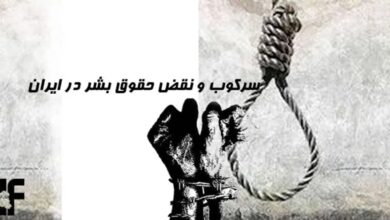
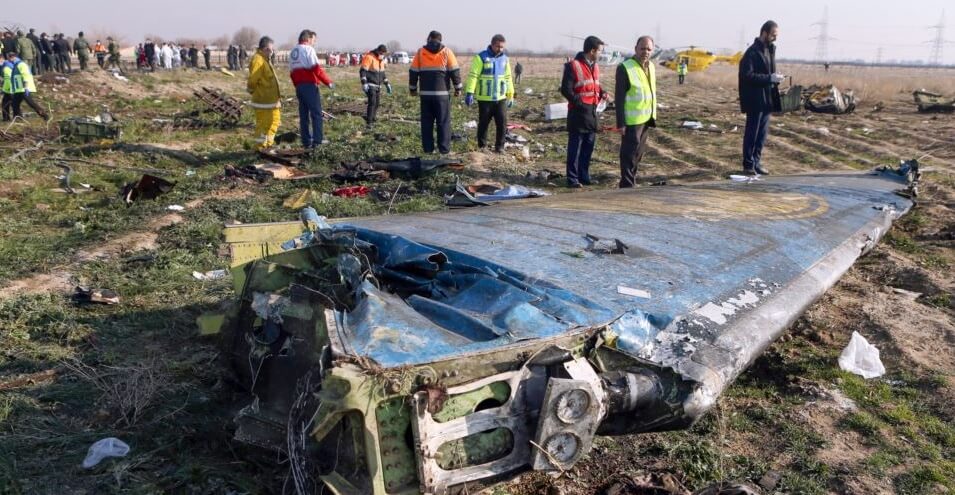
He went on to describe the November 2019 protests as "the worst example of government violence against protests in decades," emphasizing that protesters, human rights defenders, lawyers, journalists, and civil society activists in Iran are subject to intimidation, threats, arbitrary detention, and criminal prosecution, including the death penalty.
He also said that so far, there has been no accountability for the gross human rights violations committed by security forces in response to the November 2019 protests, and no significant effort has been made to address numerous complaints regarding documented cases of torture and mistreatment of children, women, and men in connection with the judicial system's forced confessions.
Michelle Bachelet goes on to say that continued impunity for human rights violations in Iran remains a "serious concern."
Regarding the issuance and execution of death sentences, the UN High Commissioner for Human Rights also says that at least 267 people, including 9 women, were executed in Iran last year, of which only 91 have been announced. Also, 95 people have been executed since the beginning of 2021.
He also said regarding the statistics of child criminals imprisoned in Iran who are on death row: "More than 80 child criminals in Iran are on death row, and at least four of them are at imminent risk of execution."
In the statement, Ms. Bachelet warns that the number of executions related to drug crimes is increasing, especially for citizens of ethnic and religious minorities, including Kurds, Arabs, and Baluchis.
The UN High Commissioner for Human Rights also said, referring to the deteriorating economic and livelihood situation, high inflation, and widespread unemployment in Iran, which have led to increasing public discontent and protests, that "the authorities have shown no willingness to make meaningful reforms at the political level."
Michelle Bachelet also pointed out that a large number of civil society activists have been sentenced to prison for defending women's rights and opposing compulsory hijab, and called the bill "Protecting the Dignity and Protecting Women Against Violence," which is currently in parliament, "lacking the necessary enforcement guarantees." She said that the bill does not consider child marriage and marital rape to be crimes and does not repeal numerous discriminatory provisions against women in Iran's civil code.
The statement also refers to the disbanded group "Imam Ali Society" for suppressing civil society activities in Iran.
The statement also emphasizes that the existence of sanctions does not absolve the government of its responsibility to prevent the spread of COVID-19 in accordance with human rights law, including preventing the spread of COVID-19 in prisons and treating infected prisoners.
Ms. Bachelet concluded the statement by saying that the UN Human Rights Council is ready to work with Iranian leaders to create a "more secure human rights foundation" for the country.
Source: Voice of America