Iran's judicial system in the "Tasbshir" trap, 7 to 9-year sentences for Christian citizens in Varamin
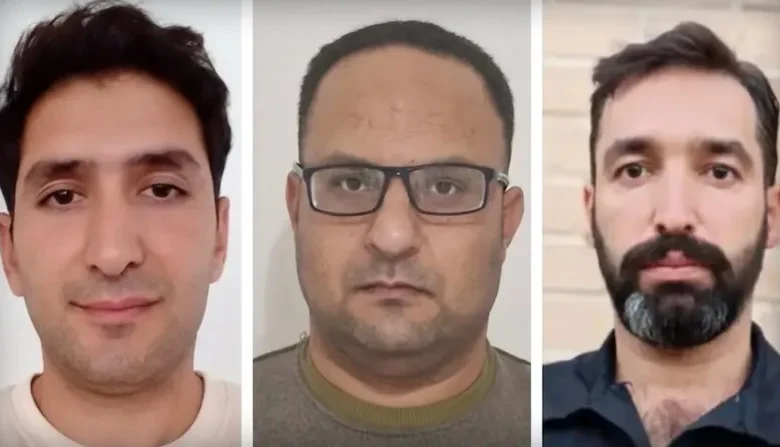
دادگاه انقلاب ورامین و دادگاه تجدید نظر تهران، شهروندان مسیحی در ورامین را به ۷ تا ۹ سال حبس محکوم کرد.
دادگاه انقلاب ورامین و سپس شعبه ۳۶ دادگاه تجدیدنظر تهران، دستکم پنج شهروند مسیحی را با اتهاماتی چون «فعالیت آموزشی و تبلیغی انحرافی مغایر و مخل شرع اسلام» و «تشکیل کلیسای خانگی»، به حبسهای طولانیمدت محکوم کردهاند.
طبق گزارشهای منتشر شده در شبکههای اجتماعی، پنج شهروند مسیحی که هویت سه نفر از آنها «ابوالفضل احمدزاده خاجانی»، «مرتضی فقانپور» و «حسامالدین محمد جنیدی» میباشد، در ورامین بازداشت شدهاند. بر اساس این گزارشها، شهروندان مذکور با اتهاماتی همچون « فعالیت آموزشی و تبلیغی انحرافی مغایر و مخل شرع اسلام» و «تشکیل کلیسای خانگی»، به زندانهای طولانیمدت از ۷ سالونیم تا ۹ سال محکوم شدهاند.
افزون بر این، شعبه ۳۶ دادگاه تجدیدنظر تهران نیز این احکام را عینا تایید کرده است. اتهامات وارده شامل مواردی چون: «فعالیت آموزشی و تبلیغی انحرافی مغایر و مخل شرع اسلام»، «تبلیغ علیه نظام از طریق ارائه محتویات ضدنظام به نفع سازمانهای تبشیری صهیونیستی» و «تشکیل کلیسای خانگی» میباشد.
بازداشتشدگان مذکور در بازه زمانی خرداد تا مرداد ۱۴۰۳ دستگیر شدند و پس از بازداشت با فشارهایی مواجه شدند که متضمن «اخذ اعترافات اجباری تحت فشار و شکنجه» بودهاند. طبق اظهارات ابوالفضل احمدزاده خاجانی، به وی اعلام شده در صورت عدم همکاری، فرزند هشتسالهاش در خطر خواهد بود.
همچنین مرتضی فقانپور نیز «بهاتهام توهین به علی خامنهای، ۱۷ ماه حبس بیشتری دریافت کرده و برای ساعتها تحت شکنجه فیزیکی شدید و ضربوشتم قرار گرفته به طوریکه دندههایش آسیب دیده و مجبور بوده که به حالت نشسته بخوابد. لازم به ذکر است که مرتضی فقانپور روی بدنش طرحهایی از صلیب را تتو کرده بود و عوامل زندان به وی اعلام کردند که یا باید صلیبهای تتو شده بر روی بدنت را بسوزانی و یا دوباره برایت پرونده جدید باز خواهیم کرد.
همچنین طبق گزارش Article 18، شعبه ۳۶ دادگاه تجدیدنظر تهران نیز احکام صادر شده علیه این پنج شهروند مسیحی را عینا تایید کرده است. آنها در ژوئیه ۲۰۲۵ (تیر ـ مرداد ۱۴۰۴) هر کدام به مجازات ۷ سال و ۶ ماه برای «فعالیت تبلیغی همراه با ارتباط با خارج از کشور» و هفت ماه برای «تبلیغ علیه نظام» محکوم شدند.
همچنین منابع بینالمللی گزارش دادهاند که در بازداشت پیش از محاکمه، برخی از متهمان تحت فشار و شکنجه قرار گرفتهاند. این تطبیق نشان میدهد که گزارشهای منتشر شده با آنچه نهادهای بینالمللی ثبت کردهاند همخوانی دارد، هرچند نام دقیق تمامی متهمان و جزئیات دقیق آنها به دلیل امنیت منتشر نشده است.
طبق اظهارات «موسی برزین» حقوقدان و مشاور حقوقی، شرایط حقوقی در ایران برای تغییر دین یا تبلیغ دین دیگر به صورت شفاف جرمانگاری نشده است. او توضیح میدهد: «در قانون مجازات اسلامی، مشخصا بحث ارتداد یا تغییر دین، اصلا جرمانگاری نشده، ولی دست قضات باز است تا آن را تحت قوانین دیگری تفسیر کنند و مجازاتهای سنگین برای این موارد صادر کنند.»
به عبارت دیگر، گرچه تغییر دین به طور مستقیم جرم نیست، اما تبلیغ دین جدید یا تشکیل جلسات مذهبی ممکن است تحت عناوینی چون «تبلیغ علیه نظام»، «فعالیت مغایر با شرع» یا «ارتباط با سازمانهای تبشیری خارجی» قرار گیرد.
این ساختار، به نهادهای قضایی اجازه میدهد که شهروندان مسیحی یا سایر اقلیتهایی که از اسلام به آیین دیگری گرویدهاند را، به مجازاتهایی بسیار سنگین محکوم کنند؛ حتی بدون آنکه قانون مستقلی برای تغییر دین وجود داشته باشد.
پرونده این شهروندان و پروندههای مربوط به دیگر شهروندان اقلیت مذهبی، نکاتی را به ویژه برای جامعه مسیحی ایران برجسته میکند:
جامعه مسیحی، به ویژه تبدیلشدگان از اسلام، با ریسک بالای برخورد قضایی روبهرو هستند و این موضوع میتواند جامعه بینالمللی مرتبط با حقوق بشر و آزادیهای دینی را به واکنش وادارد.
فعالیت در چارچوب «کلیسای خانگی» یا شرکت در دورههای آموزشی مذهبی خارج از چارچوب رسمی، میتواند با اتهامات امنیتی یا تبلیغی مواجه شود.
احتمال فشار برای اعترافات اجباری و شکنجه در بازداشتهای طولانی پیش از محاکمه وجود دارد.
رد صلاحیت ارتداد بهعنوان جرم مستقیم و تفسیر آن تحت عناوین امنیتی، نشاندهنده فقدان شفافیت در اجرای حقوق مذهبی است.