Reporters Without Borders Concerned About the Danger to Life of Imprisoned Journalists Following the Coronavirus Outbreak in Iran
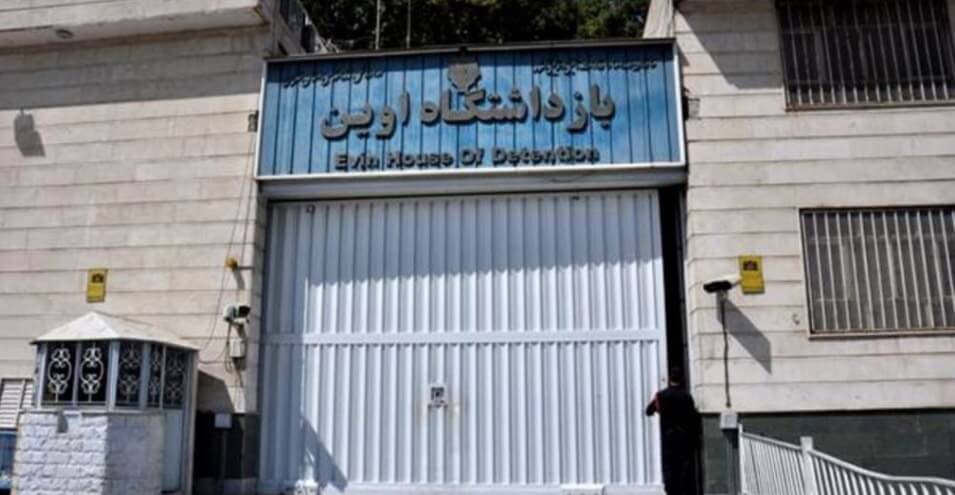
Following the outbreak of the coronavirus in Iran, Reporters Without Borders issued a statement expressing concern for the safety of imprisoned journalists, stating that these prisoners are at risk of death.
Reporters Without Borders issued a statement on Thursday, March 6, stating that although the official statistics on the number of people infected with the virus in Iranian prisons have not been announced, according to the families of the prisoners, a number of them have been infected with the virus.
Reza Moeini, head of the Iran and Afghanistan department at Reporters Without Borders, pointed out that Iran is a signatory to the International Covenant on Civil and Political Rights, and reiterated that “putting prisoners’ lives at risk and depriving [them] of their right to medical treatment can be considered a violation of the prohibition of torture and cruel, inhuman or degrading treatment.”
The statement also refers to the latest statistics announced by the Islamic Republic authorities regarding the number of infected people and the deaths of 107 Iranians due to the virus, stating that the Islamic Republic of Iran has not only followed China in concealing the coronavirus pandemic and in statistics, but also "is imitating it in mistreatment of political prisoners."
Reza Moeini also pointed out the organization's strong concern for the health of prisoners and added that prisoners should be released or at least granted leave until the end of the coronavirus pandemic.
Previously, Reporters Without Borders expressed concern in another statement on Wednesday, March 29, about the Iranian authorities' concealment of the reality of the spread of the disease and the spread of the coronavirus in Iran, and condemned the Islamic Republic's suppression of media outlets and journalists who are independently trying to publish news and information related to the spread of the coronavirus and the reality of the spread of the disease in Iran.
On Wednesday, March 27, Ebrahim Raisi, the head of the judiciary, issued a new circular ordering limited leave for a group of prisoners sentenced to imprisonment, subject to certain conditions; one of the provisions of the circular states that political prisoners who have been sentenced to more than 5 years on charges of "acting against national security" are exempt from being sent on leave; this is despite the fact that most political prisoners on the charges have sentences of more than 5 years.
The US State Department has repeatedly and on various occasions condemned the violent confrontations and widespread repression of protesters, the repeated and ongoing violations of the rights of Iranian citizens, and the ongoing cover-ups by the ruling regime in that country.
On Friday, March 29, in a meeting of the House Foreign Affairs Committee, Mike Pompeo said, considering the history of concealment by Islamic Republic officials, that the Iranian regime is reluctant to provide information about the spread of the coronavirus, and I am concerned that they may have hidden important information.
This is the second time that the US Secretary of State has expressed concern about possible cover-up by Iranian officials. Mike Pompeo warned on Tuesday that the US is concerned about the Islamic Republic's authorities' cover-up of the coronavirus outbreak.
The United States announced on Thursday that it has granted waivers from sanctions on Iran, allowing Iran's central bank to make financial transfers to send certain humanitarian services.
Source: Voice of America