From Trump's thanks to Tehran prosecutor's harsh response; conflicting accounts of "800 executions"
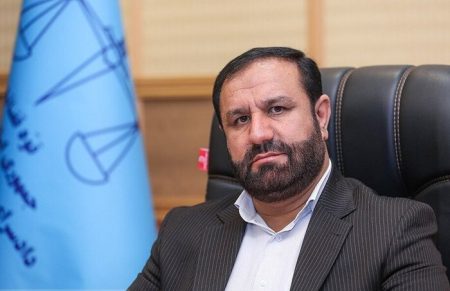
When Donald Trump thanks Iran for "the cancellation of more than 800 executions," Tehran's prosecutor speaks with profanity about continuing trials.
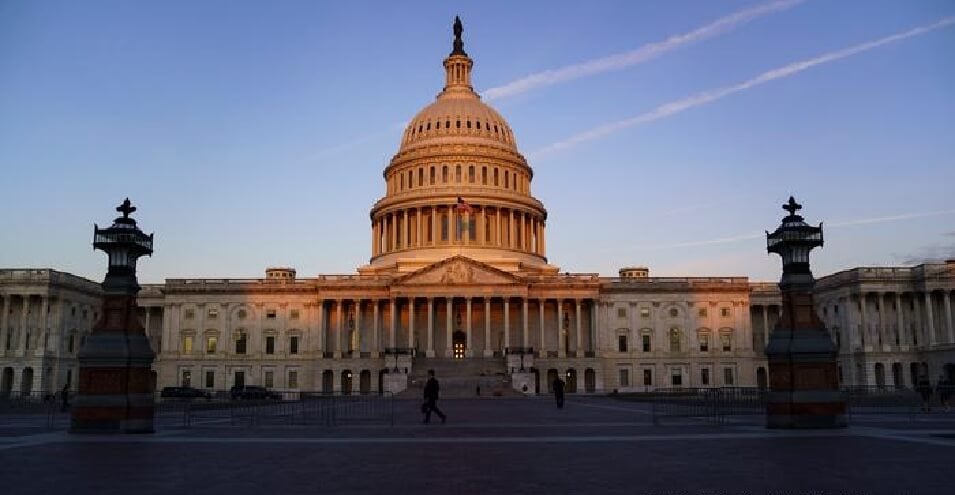
US President Donald Trump on Friday claimed that the leaders of the Islamic Republic of Iran have halted the execution of more than 800 prisoners, mostly detained protesters, and praised Tehran for doing so. The decision came after Trump's explicit warnings of "serious consequences," a White House spokesman said in a statement.
However, these statements were made while neither Trump provided any independent and credible source to substantiate his statements, nor has the Islamic Republic of Iran officially confirmed that it had such a plan to carry out 800 executions or that it had canceled it.
The question now is, are these two conflicting narratives a blackout or reality? Trump cast himself as a hero for standing on the brink of a “mass murder” and stopping it. “I have great respect for the fact that all of the planned executions that were scheduled to take place yesterday (over 800) have been canceled by the Iranian leadership,” he wrote on his social media account. Thank you!”
But Iranian judiciary officials and Islamic Republic officials have denied the claim. In response to Trump’s thanks, Tehran Prosecutor Ali Salehi said in an interview: “Trump talks a lot of nonsense and makes mistakes.” He also stressed that Iran’s response to the protesters has been “decisive, deterrent, and swift,” and that indictments have been issued and sent to court for a large number of cases.
Instead of accepting this narrative, the leaders of the Islamic Republic have defended their domestic policies and even accused Donald Trump of being a “criminal” responsible for escalating the crisis in Iran. The Islamic Republic’s Supreme Leader, Ali Khamenei, claimed that US policies have been against Iran for years and condemned Trump’s role in the recent protests in Iran.
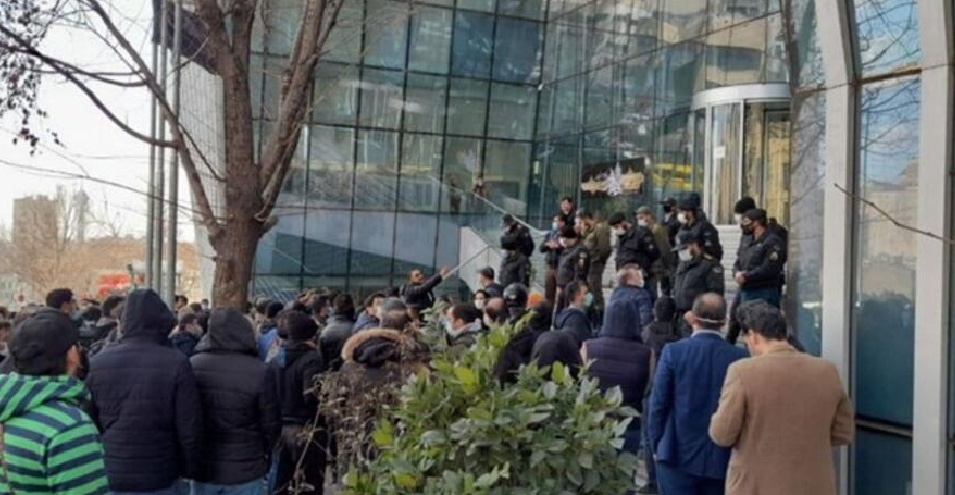
The claim of 800 executions comes as protests in Iran, which began on December 28, 2025, have quickly escalated into one of the bloodiest periods of crackdown on protesters in decades. Independent human rights groups have reported that thousands of protesters have been killed across the country and thousands more have been arrested.
Meanwhile, other reports indicate that dozens of death sentences have been carried out in Iranian prisons over the past two weeks, without any official information being released about what Trump calls "cancellation."
The controversial issue is why Trump's narrative is suspect.
- Lack of independent evidence: So far, no independent non-American source, including human rights organizations, international institutions, or Iranian internal sources, has confirmed that Iran actually intended to execute more than 800 people.
- Direct contradiction with the statements of Iranian officials: Tehran's prosecutor and judicial authorities not only denied this claim, but also indicated that many cases are still pending in the courts.
- Political context: Trump has repeatedly threatened Iran with “serious consequences” and even military action in recent weeks. Now that the situation in the region has become more complicated, this claim may be interpreted as an attempt to politicize the crisis and gain points on the international stage.
While Trump tries to portray a human face of the United States by emphasizing the "epidemic of abolition," the reality in Iran is much darker:
- Human rights in Iran are under the most severe repression, and thousands of protesters have been killed, arrested, and tortured.
- The Islamic Republic not only has not denied the execution of violent sentences, but also defends a "decisive response" in its official statements.
- On the other hand, US claims about halting executions without reliable evidence help to weaken the real voices of victims and their families and turn the crisis into a media tool.
Donald Trump's statements about halting the execution of more than 800 executions in Iran without providing any independent documentation or verification seem more like a media-political attempt to narrate two realities at the same time than real news:
- The deplorable human rights situation in Iran
- That the US government plays a "benevolent role" internationally.
While thousands of Iranians have indeed been killed and hundreds of execution cases are ongoing, these statements could turn a humanitarian disaster into an electoral and diplomatic tool, without listening to the truth of the victims or demanding real accountability from the Islamic Republic.