Narges Mohammadi's warning about the health of prisoner Zohra Sayadi undergoing chemotherapy
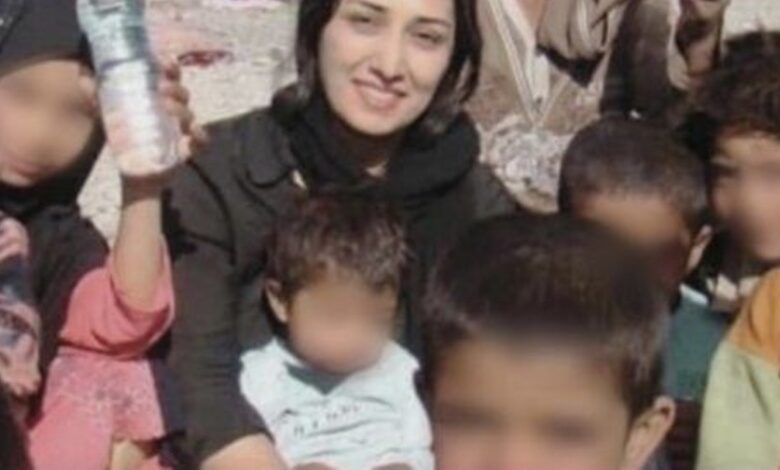
Narges Mohammadi warned about the health risks of Zohra Sayadi, a prisoner undergoing chemotherapy in Evin Prison.
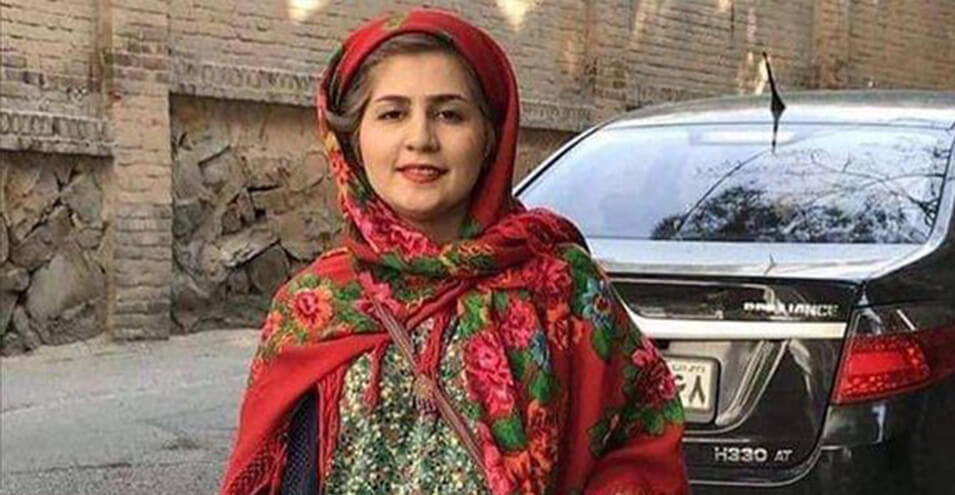
Zohreh Sayadi is a civil rights activist and activist for the rights of Kokan Kar without an identity card. She was arrested by security agents in Tehran's Andisheh neighborhood in December 2019 and transferred to Evin Prison, but was released on bail the following month (January).
Zohreh Sayadi was sentenced to one year in prison in 1401 AH, during nationwide protests, on charges of “acting against national security” and “disturbing order,” and her sentence was implemented in June of this year. She was from Sistan and Baluchestan and worked on the rights of working and unaccompanied children, children without birth certificates, and literacy training for women and children in deprived areas of Sistan and Baluchestan.
Zohreh Sayadi is suffering from cancer and the doctors have not yet identified the cause of the disease. A mass that has formed below her diaphragm forced her to undergo chemotherapy. The second phase of her chemotherapy began in March 1401 and continues every three weeks until the end of March 1402. She is currently in prison with this physical condition.
Human rights activist Narges Mohammadi warned about Zohreh Sayadi and wrote: "In which school have the judges of the Islamic Republic been trained to commit such crimes against humanity? Basically, we are not talking about the court, the trial, and the rare gem of justice in the judicial system of the Islamic Republic. The discussion is about the existence of a particle of mercy, compassion, and human responsibility that is not seen in the non-independent judicial system, nor in the repressive security system, and unfortunately, not even in forensic medicine under the supervision of the judiciary."
"I know the judge and the interrogator, but I can't believe that a doctor, knowing that a human life is in danger with excruciating pain from cancer, dares not write on a piece of paper that he cannot tolerate Zohra's imprisonment. Where did this practice, rule, custom come from?"
Narges Mohammadi continued: "Since her imprisonment, Zohreh was transferred to prison twice in July for 24 hours after chemotherapy, which even the prison doctors believe is impossible for her to endure. Zohreh is a patient, resilient, and determined woman. I can never talk about the physical weakness and the pain running through her veins after each chemotherapy session. She undergoes chemotherapy each time under an ice cap, which is extremely painful, so that we do not feel sad when we are in prison and next to her, seeing her hair fall out and her face change."
The Islamic Republic government cannot commit a greater crime than to imprison and harass innocent people, including human rights activists, writers, labor activists, teachers, university professors, students, people of faith, etc., for false reasons, most of which are "actions against national security," and ultimately sentence them to long-term imprisonment, torture, and even execution with unjust sentences.