Washington Post: Russia to give Iran advanced satellite system
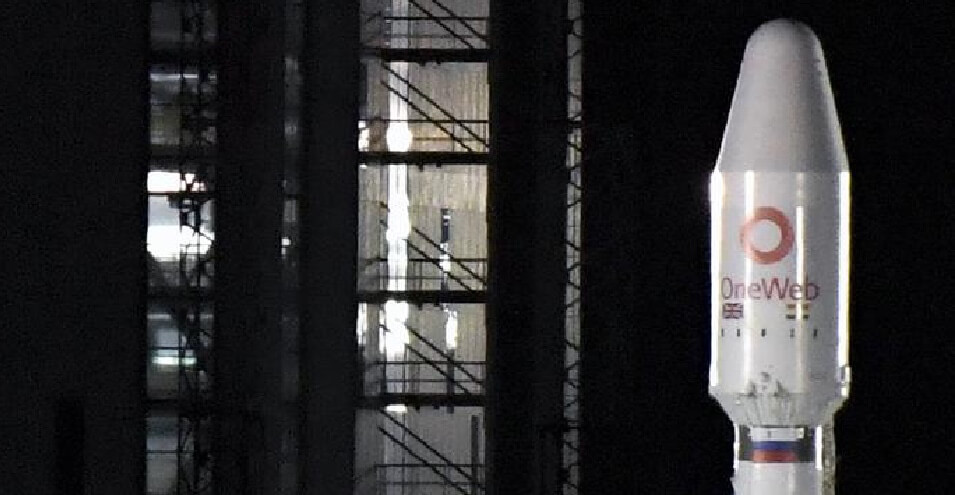
The Kanapos-V satellite, equipped with a high-definition camera, is set to be delivered to Iran by Russia. Three sources told The Washington Post that the satellite would allow Iran to spy from the Persian Gulf to Israel.
The Washington Post reported that Russia is preparing to deliver an advanced satellite system to Iran. The newspaper quoted current and former US and Middle Eastern government officials as saying that the satellite system would give Iran the ability to monitor military targets in and around the Middle East.
The Russian-made Kanapos-V satellite system, which has a high-definition camera, could enhance Iran’s spying capabilities. According to intelligence sources, the satellite would allow Iran to continuously monitor targets ranging from refineries and oil facilities in the Persian Gulf to Israeli military bases and Iraqi barracks housing U.S. forces. The system is scheduled to be delivered to Iran within the next few months.
While the Kanapos-V is intended for civilian purposes, Iranian military officials have been involved in all negotiations to purchase the system, and high-ranking IRGC commanders have visited Russia several times since 2018 for this purpose.
This spring, Russian experts went to Iran to train ground forces who are supposed to guide the satellite at a newly established center near the city of Karaj.
Three current and former U.S. and Middle Eastern officials provided the information to The Washington Post on condition of anonymity. The Russian Foreign Ministry did not respond to an email from The Washington Post about the matter.
This issue may also be discussed during Joe Biden's scheduled meeting with Vladimir Putin this month.
A leap in Iran's military power
If Iran were to acquire the satellite, it would be a major boost to its military capabilities. Iran has tried several times to launch military reconnaissance satellites into space. After several failures, these efforts finally paid off last year with the launch of the Noor-1 satellite, although a senior Pentagon official described it as “a lowly webcam.”
Under the agreement between Iran and Russia, Iran’s new satellite system will be launched in Russia and equipped with Russian hardware, including a 1.2-meter resolution camera. This is a significant improvement over Iran’s current capabilities, although it still falls far short of American spy satellites.
One of the sources told the Washington Post that the important thing is that Iran will be able to give this satellite a spy mission from the desired locations at a time of its choosing.
“It’s not the best system in the world, but its high resolution is very suitable for military purposes,” a Middle Eastern official who specializes in satellite hardware packages told the Washington Post. “This capability allows Iran to have a repository of targets and update the data they want within hours,” he said.
Another concern, officials who spoke to The Washington Post said, is that Iran could provide the satellite imagery to militias it backs in the region, from Yemen's Houthis, who are fighting the Saudi-backed government there, to Hezbollah in southern Lebanon and Shiite militias in Iraq and Syria.
Iran and Russia's hidden goals
Meanwhile, the main function of this satellite power has been kept secret, namely that Iran and Russia intend to jointly invest in their space activities. In 2015, Press TV, the English channel of the Islamic Republic of Iran Broadcasting, reported that Iranian and Russian companies had reached an agreement that would allow Iran to acquire a sensitive, controllable system capable of collecting information from the Earth’s surroundings, atmosphere, and oceans.
The names of these companies were mentioned in the Press TV report as two Russian companies, NPK BARL and VNIIEM, and the Iranian company, Bonyan Danesh Shargh.
Iran’s new spying capability could particularly raise concerns about its recently upgraded missile program, independent experts say. Iran already produces ballistic missiles and drones that can hit targets at long distances. The new satellite capability could make these missiles and drones more effective.
“The domestic capability to take these kinds of photos is something that the military wants because it’s very valuable to them,” Jeffrey Lewis, an independent expert and professor at the Middlebury Institute at the Monterey Center for International Studies, told the Washington Post.
He added that purchasing this Russian technology would allow Iran to access this capability in the fastest way possible; a capability that the Iranians could have achieved themselves if they had had enough time.
Source: DW