The Ministry of Intelligence claimed to have arrested "9 foreign nationals" "on or behind the scenes" of the protests.

As popular protests in various cities in Iran have once again escalated, the Islamic Republic's Ministry of Intelligence issued a statement claiming that it had identified and arrested individuals it called "terrorists" and "destructive agents," including "9 foreign nationals," "on the scene or behind the scenes" of the recent protests.
The sixth paragraph of this statement, which was published on the evening of Friday, October 28, states: "Nine foreign nationals from Germany, Poland, Italy, France, the Netherlands, Sweden, and... were arrested at the scene of the riots or behind the scenes of the conspiracy."
The statement also accused the governments of the United States, Britain, and Saudi Arabia of "direct interference" and, at the same time, the embassies of several European countries, including "Germany, France, Britain, and Sweden," of being involved in the ongoing protests in Iran.
Additionally, the statement names the People's Mojahedin Organization as one of the factors "organizing terror and destruction" in the protests of the last two weeks.
The Islamic Republic's Ministry of Intelligence has continued its claims by adding that it has arrested "49 people" affiliated with the People's Mojahedin Organization, along with 77 members of various Kurdish parties, including "Komala, Democrat, Pak, and PJAK," in recent days.
The ministry also claimed to have arrested "92 people" who were supporters of the Pahlavi monarchy, five members of "takfiri-terrorist groups," and five Baha'is, including "three of the leaders" of this religious minority in Iran.
In its statement, the Ministry of Intelligence of the Islamic Republic called the people who are still present on the streets of various cities in response to the killing of Mahsa Amini in the custody of the Ershad patrol, "uninformed and deceived rioting elements."
In the past decades, the Islamic Republic's security authorities and institutions have described protesters with such terms during every protest.
Meanwhile, in another part of its detailed statement, the Ministry of Intelligence announced, without providing any documents or evidence, the thwarting of a "plot to blow up a sensitive industrial center" as a "pre-riot plot" as well as "sabotage on two passenger planes."
The ministry has also once again pointed the finger of blame at Persian-language media abroad for spreading protests and "encouraging strikes."
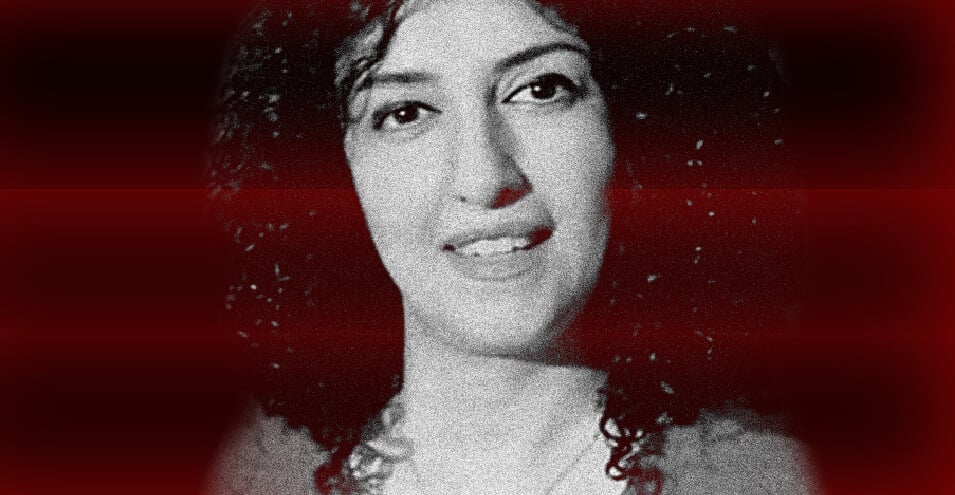
Mahsa (Zina) Amini, a 22-year-old girl from Saqqez, who had traveled to Tehran with her family to visit relatives, suffered brain death after being arrested by Ershad Patrol officers and transferred to the Moral Security Police Detention Center on Vazra Street.
The news of his death was announced on September 15 at Kasra Hospital in Tehran, and since then, various cities in Iran have been the scene of popular protests.
On the other hand, the publication of this news has been met with widespread international reactions, all of which have been in support of the protesters and challenging the Islamic Republic government in its treatment of citizens and protesters within the country, and this has further angered government officials.
Eyewitnesses and a number of independent doctors who have viewed Mahsa Amini's brain CT scan report injuries and the presence of blood in the lungs resulting from a severe blow to the head.
However, Islamic Republic officials have consistently claimed to have "documentation" proving his "underlying illness" in order to deny that he was beaten by officers, but this documentation has not yet been made available to the media.
Source: Radio Farda