Visual Propaganda or Satanic Ritual? The Truth About the "Bat Baal" and the Alleged Sacrifice to "Moloch" on February 12
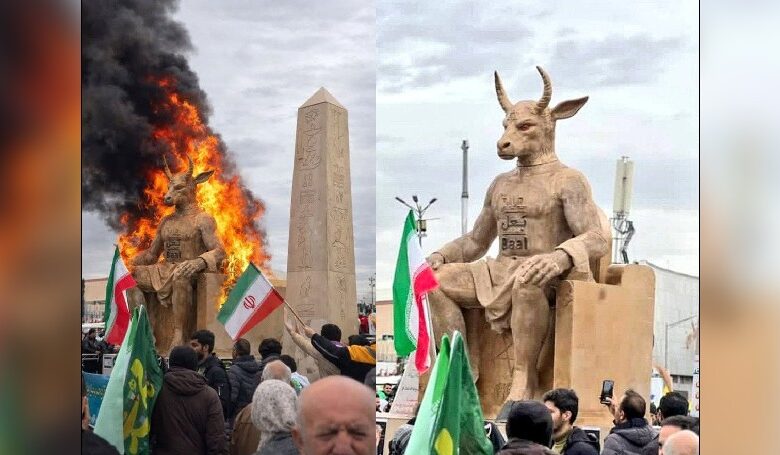
در میان انتشار گسترده ویدیوهای مربوط به «بت بعل» در مراسم ۲۲ بهمن، برخی پستهای اینستاگرامی پا را فراتر گذاشته و از «آیین شیطانی» و «قربانی برای مولوخ (مولک)» سخن گفتهاند؛ اما واقعیت چیست؟
همزمان با برگزاری مراسم حکومتی ۲۲ بهمن ۱۴۰۴ در ایران، ویدیوهایی در شبکههای اجتماعی منتشر شد که نشان میداد مجسمهای با ظاهری اسطورهای (که در برخی رسانهها از آن با عنوان «بت بعل» یاد شده)، در جریان راهپیمایی به آتش کشیده میشود. این تصاویر به سرعت در فضای مجازی بازنشر شد و واکنشهای گستردهای را برانگیخت.
بررسی رسانههای خبری فارسی و انگلیسی نشان میدهد که اصل ماجرای آتشزدن یک مجسمه نمادین در حاشیه مراسم تایید شده است. با این حال، هیچ گزارش رسمی یا معتبر رسانهای از برگزاری «آیین شیطانی» یا «مراسم قربانی برای خدای مولوخ یا همان بت مولک» منتشر نشده و اینکه دلیل آتش زدن این مجسمه در مراسم پیروزی انقلاب جمهوری اسلامی چیست، هنوز مشخص نیست.
و اما ادعای قربانی برای مولوخ یا مولک در شبکههای اجتماعی از کجا آمده است؟ در پی انتشار این ویدیوها، برخی حسابهای کاربری در اینستاگرام مدعی شدند که جمهوری اسلامی در این مراسم، کشتهشدگان انقلاب را «برای مولوخ» قربانی کرده است. در این پستها ادعا شده بود که مجسمه ساختهشده نماد «مولوخ» بوده و نوشتههایی با مفاهیم شیطانی بر آن درج شده در حالی که نام «بعل» بر روی سینه این مجسمه نوشته شده است.
با این حال، گزارشهای میدانی نشان میدهد که چنین ادعایی مستند نیست. هیچ منبع خبری معتبر، چه در داخل ایران و چه در رسانههای بینالمللی، گزارشی مبنی بر اجرای آیین قربانی یا تقدیم افراد به «مولوخ» منتشر نشده است.
در متون عهد عتیق، «بعل» و «مولک» دو عنوان جداگانه برای خدایان باستانی منطقه شام و کنعان هستند. کتاب مقدس بارها قوم اسرائیل را از پرستش این خدایان نهی میکند. در برخی روایتهای تاریخی، مولک با آیینهای قربانی انسانی مرتبط دانسته شده است؛ موضوعی که همواره در ادبیات نبوی بهشدت محکوم شده است.
اما در ماجرای ۲۲ بهمن، آنچه در تصاویر دیده میشود، سوزاندن یک مجسمه نمادین است، عملی که بیشتر بار سیاسی و تبلیغاتی دارد تا آیینی مذهبی به معنای دقیق کلمه. تاکنون هیچ سندی ارائه نشده که نشان دهد مراسمی با ماهیت «قربانی مذهبی» برگزار شده باشد.
کارشناسان رسانهای معتقدند در فضای قطبیشده شبکههای اجتماعی، تصاویر نمادین بهسرعت با تفاسیر آخرالزمانی یا الهیاتی ترکیب میشود. بهویژه در میان برخی کاربران مسیحی یا مخالفان جمهوری اسلامی، ارجاع به مفاهیمی چون «مولوخ» یا «پرستش بعل»، بار معنایی شدیدی دارد و میتواند به شکلگیری روایتهای تکاندهنده منجر شود.
با این حال، تفکیک میان واقعیت میدانی و تفسیرهای ایدئولوژیک ضروری است. آنچه تاکنون به طور مستند گزارش شده، صرفا ساخت و سوزاندن یک مجسمه نمادین در یک مراسم حکومتی بوده است، نه اجرای آیین شیطانی یا تقدیم قربانی افراد کشته شده در اعتراضات.
ادعاهای مطرحشده در برخی پستهای اینستاگرامی درباره «قربانی کردن کشتهشدگان برای مولوخ»، فاقد پشتوانه خبری و سند معتبر است. در فضایی که جنگ روایتها هر روز شدیدتر میشود، مسئولیت رسانههای مسیحی آن است که ضمن حساسیت الهیاتی نسبت به نمادهای بتپرستانه، مرز میان تحلیل معنوی و خبر مستند را حفظ کنند.