Why is the pressure and repression of lesser-known and far-flung political activists intensifying at the same time as the government admits to a "subcutaneous explosion in society"?
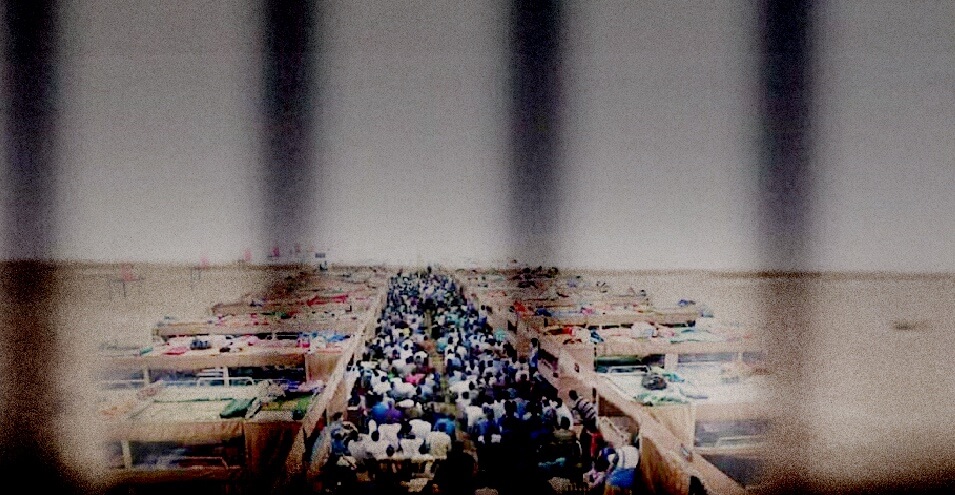
How does the security and judicial apparatus of the Islamic Republic of Iran take advantage of the abandonment of prisoners of conscience and political prisoners in lesser-known cities to increase pressure on these individuals?
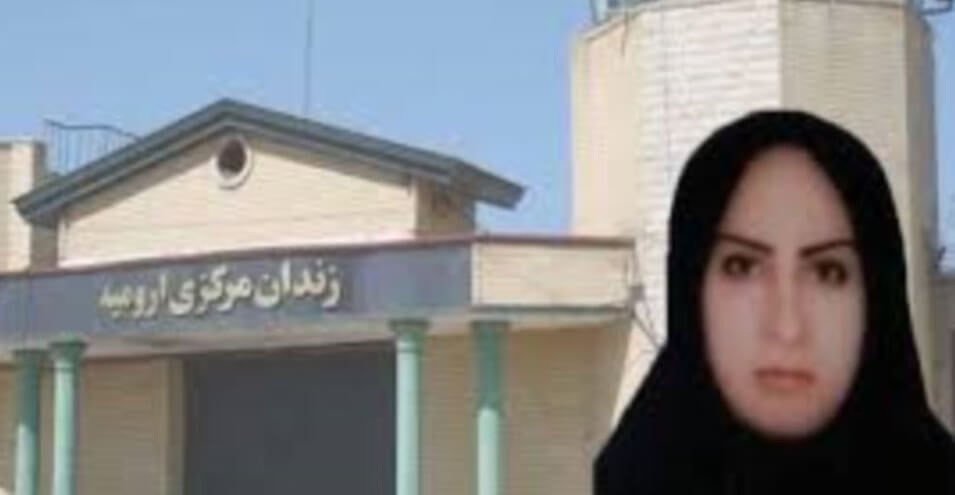
How does the silence about these individuals pave the way for unfair trials? What are the problems and tribulations of lesser-known political and civil activists in smaller cities for a fair trial? What is the relationship between the spread of protests in small cities in Iran and the severe and violent confrontations by security forces with civil and political activists? The number of civil and political activists who have been arrested or called to prison in various cities in Iran in recent months has increased. However, news about the application of security and judicial pressure on these lesser-known activists is much less widely reported than that of prisoners in prisons in Tehran and large cities, and as a result, the possibility of applying judicial and security pressure on these individuals is increasing. It seems that by insisting on the continuation of such confrontations with civil activists and political critics in small cities and far from the center, the government of the Islamic Republic of Iran intends to fuel the suppression of the protesting and critical community by creating fear and terror among citizens and protesters.
From unfair trials to unsafe and unequipped prisons
One of the characteristics of the popular protests in January 2017 and then the November 2019 protests was the sequential joining of people in small towns to the protests. This was a theme that continued in subsequent protests. For example, the continuous protests of teachers and retirees in recent months have the same characteristic. Due to this expansion and dispersion of the protests among different classes and in small towns, the confrontation and suppression of the security, military, and judicial forces with the protesters in these lesser-known and remote cities intensified, and of course, under the shadow of the silence in the news, it caused many costs to the protesting citizens and their families. The unknown nature of the detainees and the non-transparent nature of the trial process, and of course, the ignorance of some of the detainees about the trial process, caused the security and judicial apparatus of the Islamic Republic of Iran to apply the most heinous and unfair form of treatment to these detainees.
پس از سرکوب خونین مردم ایران در دیماه ۹۶ و آبان ۹۸، گزارشهای بسیاری از روند غیرقانونی بازداشت، شکنجه و طی روند ناعادلانه دادرسی شهروندان دستگیر شده در شهرهای کوچک ایران منتشر شد. آنچه در روند بررسی و دادرسی بیشتر این پروندهها مشاهده میشد، اول «عدم دسترسی بازداشتشدگان به وکیل» بود و سپس «منع دسترسی وکیل و متهم به محتویات پرونده». در اکثر این پروندهها و بر اساس تبصره ماده ۴۸ قانون آیین دادرسی کیفری، یعنی الزام «انتخاب وکیل یا وکلا در مرحله تحقیقات مقدماتی از بین وکلای رسمی دادگستری که مورد تایید رئیس قوهقضائیه باشد»، بعضی از متهمان این شرط را میپذیرفتند و در نتیجه به ظاهر وکیل داشتند، اما از آنجا که بازپرس پرونده با استناد به ماده ۱۹۱ آئین دادرسی کیفری، قرار «عدم دسترسی به پرونده» را صادر میکرد، عملا همین وکلا هم امکان دسترسی به پرونده و آگاهی از جزئیات آن را نداشتند. این روند در کنار اجبار متهمان به اعتراف اجباری از طریق شکنجه و تهدیدهایی بود که در گزارشهای متعددی از این رفتارهای غیرقانونی و ناقض حقوق اولیه متهمان سخن به میان آمده بود. احکام سنگین همچون اعدام و یا حبسهای طولانی مدت در زندانهایی که شرایط بهداشتی و ایمنی آنها فاجعهآمیز بوده و هست. اگرچه بازداشت و محکومیت فعالان و معترضان در شهرهای کوچک بعد از اعتراضات نیمه دوم دهه ۹۰ خورشیدی باعث شد تا افکار عمومی کمی بیش از قبل نسبت به اعمال بیرویه تبعیض در شهرهای کوچک و علیه فعالان و معترضان کمتر شناخته شده، واکنش نشان دهد اما واقعیت اینجاست که هنوز هم به سیاق گذشته اعمال فشار و تبعیض علیه محبوسان و متهمان در شهرهای کوچک از سوی حاکمیت و دستگاه قضا پی گرفته میشود؛ تداوم روند بازداشت فعالان در شهرها و روستاهای کردنشین و همچنین برخوردهای شدید قضایی همچون صدور و اجرای احکام اعدام در شهرهای استان محروم سیستان و بلوچستان در ماههای گذشته، نمونههایی از این روند غیرانسانی است. از طرفی گزارشها درباره وضعیت زندانها در شهرهای کوچک و عدم مراقبت و رسیدگی به مسائل پزشکی و بهداشتی، نگرانیها درباره جان و سلامت بسیاری از محبوسان را بیشتر کرده است؛ در روزهای گذشته، گزارشهایی از حمزه درویش، زندانی سنی مذهب زندان لاکان رشت منتشر شد که براساس آن، حمزه درویش علیرغم عفونت گوش، سردرد و سرگیجههای مداوم، از رسیدگی پزشکی مناسب محروم مانده است. این زندانی چندی پیش در نامهای به جاوید رحمان، گزارشگر ویژه سازمان ملل در امور حقوق بشر ایران، نوشته بود که در زندان لاکان رشت امنیت جانی ندارد و طی دو ماه اخیر با «چراغ سبز و حمایت مسئولین زندان» سه بار توسط زندانیان جرائم خشن مورد ضرب و شتم قرار گرفته است. گزارشهایی نیز از علی حلفی، زندانی سیاسی محبوس در زندان مسجدسلیمان منتشر شد که علیرغم ابتلای وی به بیماریهای گوارشی و ریوی از رسیدگی پزشکی و یا اعزام به مرخصی درمانی محروم مانده است. این زندانی سیاسی شانزدهمین سال از دوران محکومیت خود را بدون حتی یک روز مرخصی سپری میکند. چندی قبل نیز سازمان عفو بینالملل در نامهای خطاب به رئیس قوه قضائیه جمهوری اسلامی ایران، با هشدار درباره وضعیت جسمی کمال شریفی، زندانی سیاسی کرد، و در خطر بودن جان وی، خواستار آزادی فوری او از زندان میناب در استان هرمزگان شد. آقای شریفی در طول دوران حبس از مرخصی محروم بوده است.
On Wednesday, February 1, reports emerged that prisoners in the women's ward of Kermanshah Correctional Center were refusing to receive their food rations in protest of the poor quality of the food. During the protest, Soheila Hijab was "beaten" by the prison guard, and security officers threatened to "file a case and deport her" to another prison.
The government's inverted narrative of the reality of discrimination
Not long ago, Sardar Naqdi, the deputy coordinator of the IRGC, who has a dark history of suppressing popular protests at various stages and is always harsh in his comments about activists, critics, and political and ideological opponents, implicitly referring to the intensification of protests in small cities in Iran and making the claim that "the enemies are making a mountain out of a small incident in a remote city in Iran and exploding it in the media like a news bomb," said: "Sometimes thugs who have killed and oppressed several people are presented as political fighters, and sometimes they say that someone who was not killed at all was killed, and then they make it news in the media."
In fact, this issue of the IRGC General reflects the government's mentality regarding civil, political and protest activities in cities far from the center, and in a way imposes and insinuates the narrative that the protests and opposition of citizens far from the center are fundamentally not Arab, and can be defined and explained with a language that calls "protest" "riot" and considers "protester" "thug". However, the process of protests in Iran has become so widespread that imposing such a narrative seems difficult and impossible. The disclosure of a confidential document from the "Sarollah Headquarters of the IRGC" about the spread of popular protests and the increase in the number of protesters in recent months is evidence of this claim; on Wednesday, February 13, the "Adalat Ali" hacking group disclosed the minutes of a confidential meeting of the Sarollah Headquarters on November 20, 1402. A meeting of the “Working Group for the Prevention of Basic Security Crises” chaired by IRGC Brigadier General Hossein Nejat, Deputy Commander-in-Chief of the IRGC, was attended by representatives of the Tehran Prosecutor’s Office, the Tehran Intelligence Organization, the Intelligence and Public Security Police of the National Assembly, the Economic Intelligence of the Basij, the Seyyed al-Shohada Corps, the Hazrat Rasool Corps, the Basij of the National Guilds, and the IRGC Intelligence Organization. The Sarallah Headquarters of the IRGC is one of the main institutions responsible for suppressing protests in the country. In this meeting, Colonel Kaviani, a representative of the Intelligence and Public Security Police of the National Assembly, presented a report on the predictions for the protests in the last four months of 1400 and said that “gatherings in 1400 increased by 48 percent compared to 1399, and the number of demonstrators has also increased by 98 percent.” The representative of the Social Affairs Department of the IRGC Intelligence Organization also said in this meeting: “A survey was conducted in society that shows that the state of society is in a state of sub-cutaneous explosion.”
In this document, the increase in popular gatherings and protests is considered a warning sign for the Islamic Republic system.
The disclosure of this document shows how aware one of the most important institutions of repression in Iran is of the depth of discrimination and, consequently, protest. It is obvious that in order to justify its open and secret repression, it must neutralize and invalidate this truth-based narrative, which is made clear behind closed doors and to the oppressors, in every possible way.
A look at the protests of teachers, retirees, and workers, who actually constitute a large population of Iranian society, makes it clear that today's protest by the Iranian people, contrary to the inverted narrative of the government that seeks to discredit and trivialize it, is a protest in line with the violation of human dignity. The spread of poverty in a group like retirees, who in the eyes of Iranian society and families were a symbol of stability, peace, and forgiveness, is a clear example of the violation of the dignity of an important part of society, which has now protested in all small and large cities of Iran to demand justice. The protests of teachers can be examined from exactly the same perspective. That is, teachers are deprived of the minimums of a normal life, while they should teach human dignity to the children of the country. It is clear that younger groups in society join the ranks of the protesters when they see the violation of the dignity of teachers or their family members. In this sense, the protesting community of teachers, retirees, and workers is not only protesting within its own boundaries, and in practice, we see that the demand for rights of these groups has spread among other members of society.
Source: Iran Human Rights Campaign