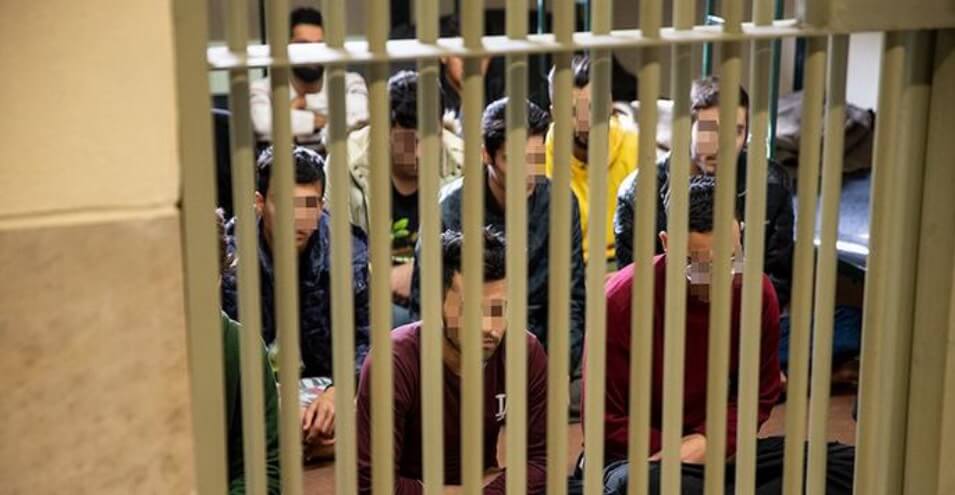
Experts predict that extremism in the Islamic Republic will increase under Ebrahim Raisi
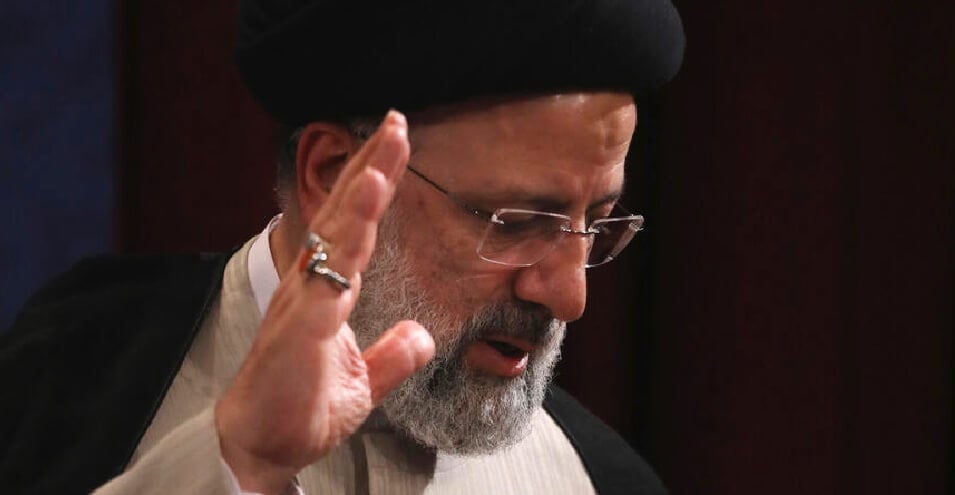
Ebrahim Raisi's inauguration ceremony will be held in the Islamic Consultative Assembly on Thursday, and Iran's involvement in the attack on an Israeli ship, and the release of the latest video of Khamenei's statements opposing negotiations with the United States, are seen by many observers as paving the way for the next government's extremism.
A Briton and a Romanian citizen were killed in the attack on the Mercer ship, owned by the Israeli company Zodiac, on Thursday last week.
The drone attack took place in the waters of the Sea of Oman, and two days later, Israeli Prime Minister Naftali Bennett accused Iran of involvement in the attack.
Mr. Bennett stressed: "Israel will respond to it in its own way." The United States and Britain have also accused Iran of the deadly attack and said they would give an "appropriate response."
Saeed Khatibzadeh, spokesman for the Iranian Foreign Ministry, has denied the accusation.
Meanwhile, on Sunday night, the release of a video by Khamenei's office has been seen as a guideline and guide for the future government's direction.
In this video, Khamenei says: "I have noted down a particular experience and a statement that I have repeatedly repeated to you and the people, and I am repeating it now. Why am I so insistent that relations with America should not be established, except for specific and specific matters that are expedient?"
He also claims that "the West's, and especially America's, disloyalty is a trait that cannot be changed by governments or individuals," and emphasizes that he had repeatedly told Iranian officials and negotiators that they could never secure the country's interests in negotiations with America.
He said: "This reason has been confirmed by politicians, even those who favor a one-way relationship with America. Officials and negotiators say that Americans have a saying: They say, 'What's mine is mine. What's yours is negotiable.'"
Ebrahim Raisi, who has been described as the most hardline and conservative person who will soon become the head of Iran's executive branch, said during the election campaign that he was willing to revive the JCPOA, but instead of appeasing and negotiating with the United States for a long time, he would do so from a "position of power," according to Reuters.
Source: Voice of America