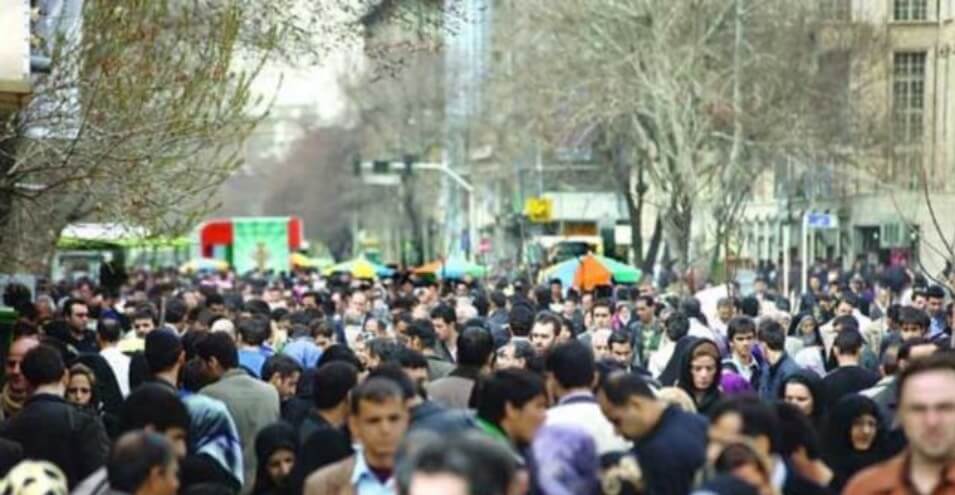
A member of parliament: The inflation rate of some basic goods is over 400 percent
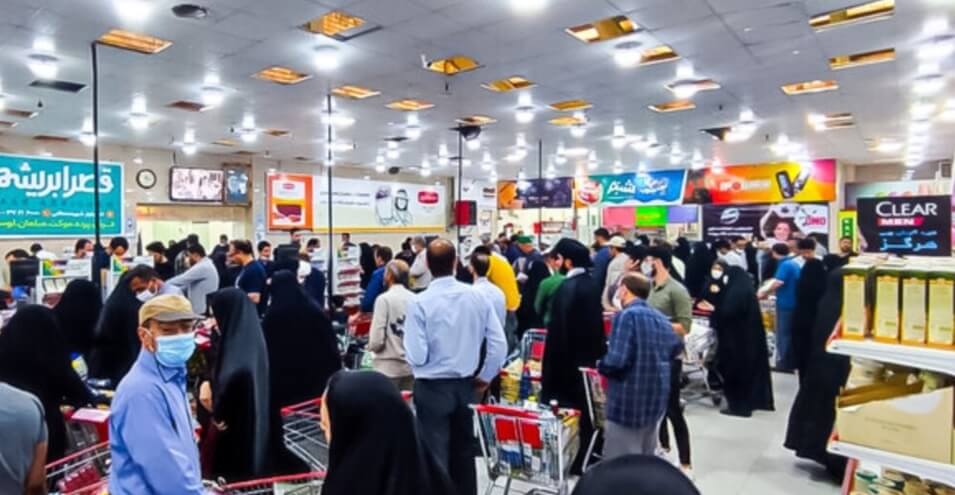
A member of the Islamic Consultative Assembly says that, contrary to the government's announcement, subsidies have not been paid to nine tenths of a percent, and there is currently 400 percent inflation in some areas of basic goods.
Moinuddin Saeedi confirmed on Tuesday, May 17, that people have been experiencing "problems" due to non-payment of subsidies, and he hopes that this will not happen during the implementation of the "electronic tax bill" project.
According to him, there is no "cohesion" in the government's economic team, and contrary to what government officials have announced, "the impact of rising prices of basic goods on inflation will be much, much greater," and will raise inflation by 10 percent. In its current issue, the Kayhan newspaper criticized Ebrahim Raisi's government for not receiving subsidies for a significant portion of the population, writing that this government "lacks economic intelligence" and "the country's economic management is faltering."
The elimination of the preferential currency, which has led to a sharp increase in the prices of at least five basic goods, has been met with protest reactions from residents of 10 Iranian provinces.
The objections to the implementation of this contractionary policy are primarily due to the general inflation being higher than the government's estimates and, secondly, the failure to deposit subsidies into the accounts of a significant portion of the tithes eligible for subsidies.
In the past week, there have been many reports of new subsidies not being deposited into the accounts of some households, and the government of Ebrahim Raisi says that protesters can register and follow up on their protest through a website.
The price hikes have also sparked protests in the streets, with security forces responding by firing and throwing tear gas at protesters. Reports indicate that at least five people have died in the latest round of protests.
Source: Radio Farda