FATF to decide on Iran's delay in passing money laundering bill
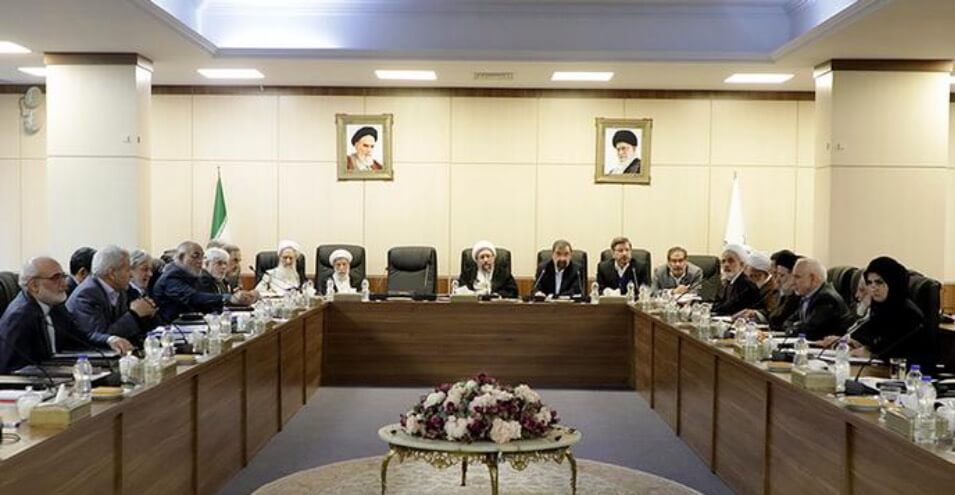
The Financial Action Task Force meeting has begun. Iran's delay in approving the money laundering and financing of terrorism bill could have serious consequences for the country. The opposition of the Guardian Council and the delay of the Expediency Discernment Council have made the task difficult.
The six-day meeting of the Financial Action Task Force (FATF) began in Paris on Sunday, February 16. The holding of this meeting and its possible decisions could have serious consequences for the Islamic Republic of Iran.
The Islamic Republic hopes that with the help of its lobbies, and especially given China's chairmanship of this working group, the suspension of countermeasures against it will be extended once again.
The six-day meeting of the Financial Action Task Force, which will be held in Paris until February 21, is attended by 800 representatives from 205 countries.
In addition, representatives from the International Monetary Fund, the United Nations, and the World Bank are also participating in the meeting. One of the main items for discussion and decision-making at the February meeting of this group concerns the two countries of Iran and Pakistan.
The purpose of the FATF is to combat money laundering and monitor money derived from criminal and terrorist activities.
Topics of the six-day meeting
Several issues are on the agenda of the Financial Action Task Force's February meeting, including decisions on cryptocurrencies and their use for money laundering activities, as well as financial movements in support of terrorist activities.
The Financial Action Task Force is also scheduled to present the results of its investigations and negotiations to the G20 summit for information and decision-making.
In addition, the issue of illegal wildlife trade and issues related to the financing of terrorist groups, including the "Islamic State" (ISIS), Al-Qaeda, and other terrorist groups, are also on the agenda of this meeting.
The main focus of this year's meeting of the Financial Action Task Force (FATF) has been to review the progress of Pakistan and Iran in their efforts to reduce financial risks. The issue of Iran is expected to be discussed in the coming days.
List of countries taking countermeasures
The Islamic Republic of Iran was removed from the list of countries taking countermeasures at the June 2016 meeting. Iran and North Korea were on the list of countries taking countermeasures.
The Financial Action Task Force had given the Islamic Republic of Iran 18 months to pass two bills related to money laundering and terrorist financing and implement the obligations arising from them.
The Islamic Republic government failed to pass these two bills due to opposition from the Guardian Council. The Expediency Discernment Council's procrastination also prevented a final decision on the issue.
More than two years have passed since then, as of February 2020. During that time, Iran’s suspension from retaliatory action has been extended six times by the Financial Action Task Force. There are now concerns that participants in the Paris meeting will refuse to extend Iran’s suspension from retaliatory action again.
If Iran's suspension of retaliatory measures is not extended, it will make financial transfers and financial cooperation with other countries in the world much more difficult. In such a situation, the activities of financial institutions of other countries in Iran will be restricted and closely monitored. The Islamic Republic of Iran will also be prohibited from opening branches and economic representations in other countries.
China currently holds the rotating chairmanship of the Financial Action Task Force. Iran hopes that with the help of China and its lobbyists, the suspension of retaliatory measures against the country will be extended once again.
Source: DW