Shadow of Foreign Interference Over Wave of Antisemitism in Britain and London’s Sharp Warning to Tehran
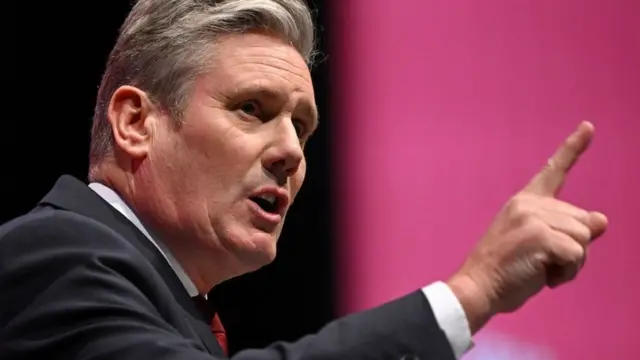
As attacks against Jews increase in Britain, the country’s Prime Minister spoke of the possible role of foreign governments, including Iran, a development that has intensified concerns about the link between the Islamic Republic’s foreign policy and domestic insecurity in Europe.
Following an alarming escalation of antisemitic attacks in Britain, “Keir Starmer,” the country’s Prime Minister, issued an explicit warning to the Islamic Republic of Iran and any potential foreign actor, emphasizing that such actions will not be tolerated. These statements come as British security officials are investigating the possibility of direct or indirect interference by foreign governments in these incidents.
Starmer said on Tuesday, May 5th, corresponding to Ordibehesht 15th, in a special session to review the recent wave of attacks: “One line of inquiry is whether a foreign state was behind some of these attacks or not.” These remarks indicate a notable shift in tone in London’s approach; a shift that has moved beyond mere concern and reached the stage of political and security warning.
These developments intensified after the Jewish group Shomrim reported an arson attack on an abandoned synagogue in London. This incident is just one of a series of attacks that have occurred in recent weeks against Jewish sites and individuals.
Reports indicate that attackers have targeted several synagogues using incendiary bombs and have even set fire to four ambulances belonging to a Jewish charity. In addition, a knife attack on two Jewish men in north London has severely affected the country’s security situation, causing the terrorist threat level in Britain to be raised from “substantial” to “severe,” a level indicating a high probability of attacks in the near future.
Meanwhile, an Iran-supporting Islamist group called Harakat Ansar al-Yamin al-Islamiyya has been mentioned in some reports as having claimed responsibility for several attacks in Europe. Although a direct connection between this group and the Iranian government has not been officially confirmed, raising such claims has added to the complexity of the situation.
The British government has stated that the increased threat level is not limited to these attacks alone, but rather a range of threats from “extremist Islamist and far-right” movements were involved in this decision. This assessment shows that Europe’s security environment is entering a sensitive and multi-layered phase.
At the international level, bodies monitoring hate crimes and discrimination-related offenses have also reported a significant increase in antisemitic attacks in Europe following recent tensions in the Middle East. Many analysts believe that geopolitical tensions, particularly the role of the Islamic Republic in the region, can indirectly affect the rise of extremism and violence in European societies.
Meanwhile, critics of Tehran’s policies believe that the Islamic Republic’s official discourse, which in some cases is accompanied by anti-Israeli and antisemitic rhetoric, can create grounds for inciting like-minded groups outside the country. These concerns have now entered a more serious phase with Britain’s formal warning and may have broader diplomatic consequences.