Church attack in Ukraine: Faith under fire from war
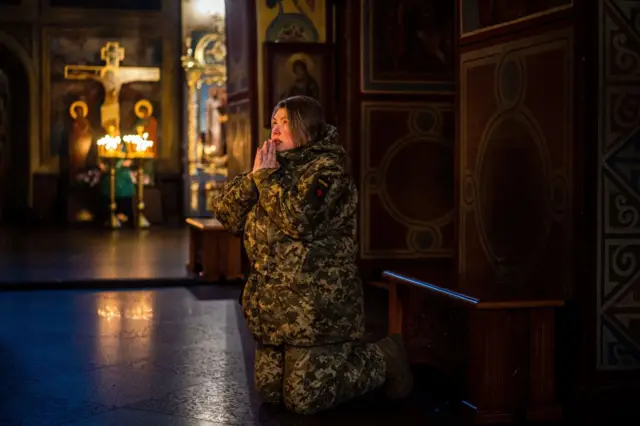
Church attack in Ukraine: How faith under fire has turned war into a symbol of Christian suffering and resilience.
As the war in Ukraine continues, a religious site that is normally a place of prayer, peace and solidarity has become a scene of violence. The House of the Gospel Baptist Church in the southeastern city of Zaporizhia was the target of a deadly attack, drawing renewed international attention to the fragile state of religious freedom in war zones.
The attack, which occurred during a religious gathering, killed a priest and injured several others. The Ukrainian embassy in the United States issued a statement calling the incident “a deliberate attack on people of faith” who had gathered peacefully to pray. Such a description highlights the human dimension of the incident, where civilians were targeted while performing religious rituals.
The church's pastor, Ruslan Utyuzh, was reportedly killed in the attack. A father of two, he was a prominent figure in the local community. His death is not only a loss for his family, but also a blow to a community that relies on its spiritual leaders in the midst of war.
Former Ukrainian parliamentarian Pavel Unguryan said that several church leaders were present at the scene at the time of the attack, and at least seven or eight of them were seriously injured. He also cited a worrying statistic, saying that since the beginning of the war, hundreds of churches across Ukraine have been damaged or completely destroyed, indicating that attacks on religious infrastructure are spreading.
Analysts and human rights activists believe that these attacks are not random. Kate Akers has explained that churches, especially those that provide social services to people in times of crisis, are more at risk than others. The "Bible House" church was also among the centers that, in addition to religious activities, played an important role in supporting those in need.
On the other hand, Colby Burt, who made a documentary about faith in war, insists that the attack was not random and was carried out using guided weapons. He says that churches in Ukraine are not just places of worship, but also vital arteries for delivering humanitarian aid and hope to their communities, which is why they have been targeted.
Meanwhile, the role of Russia's political leadership has also come under scrutiny. Vladimir Putin has been accused by some observers of attacking spiritual infrastructure with the aim of undermining social and religious morale. Dozens of religious leaders have reportedly been killed since the start of the conflict, raising concerns about the safety of religious minorities and spiritual leaders.
Beyond this incident, reports from international organizations also show that religious sites are increasingly under threat in wars. Churches, mosques, and synagogues have become sensitive targets due to their dual role as centers of worship and humanitarian shelters.
What happened in Zaporizhia was not just a military attack; it was a blow to the concept of a safe haven for faith and community. Yet, many Ukrainian Christians insist on continuing their gatherings and activities, a sign of the resilience of faith that has not faded even in the shadow of war.