Disagreement among MPs over "Protection Plan"; Sadif Badri: "Public Trust" is at stake

On Wednesday, March 24, a group of Iranian parliamentarians wrote a letter to the parliament's presiding board calling for the return of the "User Protection Bill in Cyberspace" to the open floor of the parliament.
A day earlier, representatives of the Joint Commission approved the outline of the Iranian Internet restriction plan, known as the “Cyberspace Protection Plan,” in less than ten minutes with 18 votes in favor and one against. The move has sparked widespread reactions from social media users and fueled criticism of the Islamic Republic’s authorities.
The review of this bill was entrusted to the joint commission, while according to Article 85 of the Constitution of the Islamic Republic, the Majlis can refer the “authority to enact certain laws” to internal commissions in urgent cases. Laws approved by these commissions can become permanent laws after limited implementation.
Jalal Rashidi Kochi, a representative from Marvdasht, one of the members of this commission and the only person who voted against it, announced on his Twitter account that more than 100 members of parliament have demanded that the bill be returned for consideration in a public session.
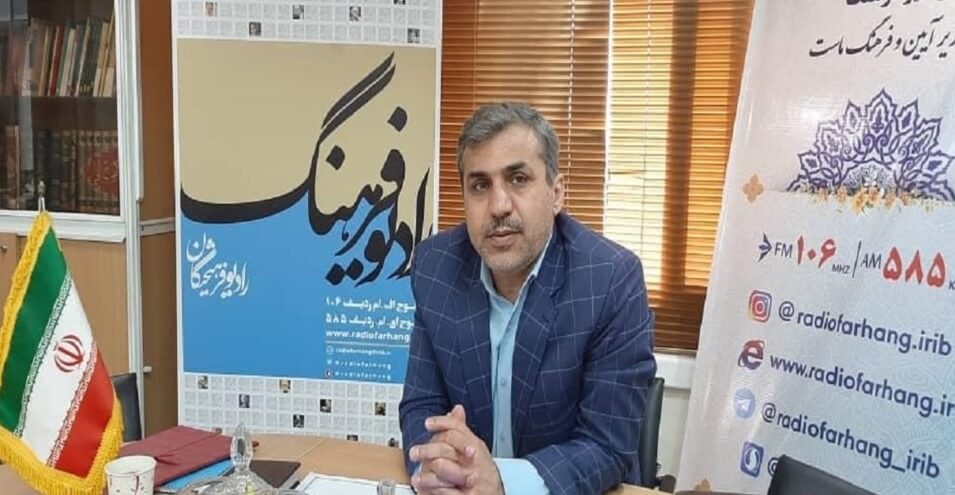
Sedif Badri, a representative from Ardabil, also criticized the referral of this bill to the joint commission, saying that "the parliament has 290 representatives, not 18." He also described the approval of the protection bill as "a blow to social capital and public trust."
In an interview with ILNA, Urmia MP Ruhollah Hazratpour rejected the bill and said, "We are looking to bring the bill back to the open floor of the parliament and reject it." According to Hazratpour, "Governments cannot stand against the progress and technology of societies."
However, members of the commission believe that the letter will not affect the process. Weiss Karami, secretary of the joint commission for the protection plan, says that "ultimately, it is the commission that decides on the details and generalities."
A decision that emphasizes that from now on, there must be surveillance over the entirety of cyberspace, a space that, according to Ali Khamenei, the leader of the Islamic Republic, is a "vulgar" space and must be "organized."
Following the approval of the general outlines of the Iranian Internet restriction plan, hashtags such as "#No_to_the_Security_Plan" and "#I_am_against_the_Security_Plan" were welcomed by users on social media in opposition to the plan, and some users interpreted the implementation of the plan as turning Iran into North Korea.
Although supporters of this plan believe that by regulating online businesses, theft and abuse by internet entrepreneurs in cyberspace can be prevented, opponents have been pointing out the events of November 2019, the killing of people and the downing of Ukraine International Airlines Flight 752, over the past few days, that the Islamic Republic's record has shown that approving plans such as "protecting users" is done solely with the aim of spreading censorship and gaining greater control over the communications sector.
Source: Voice of America