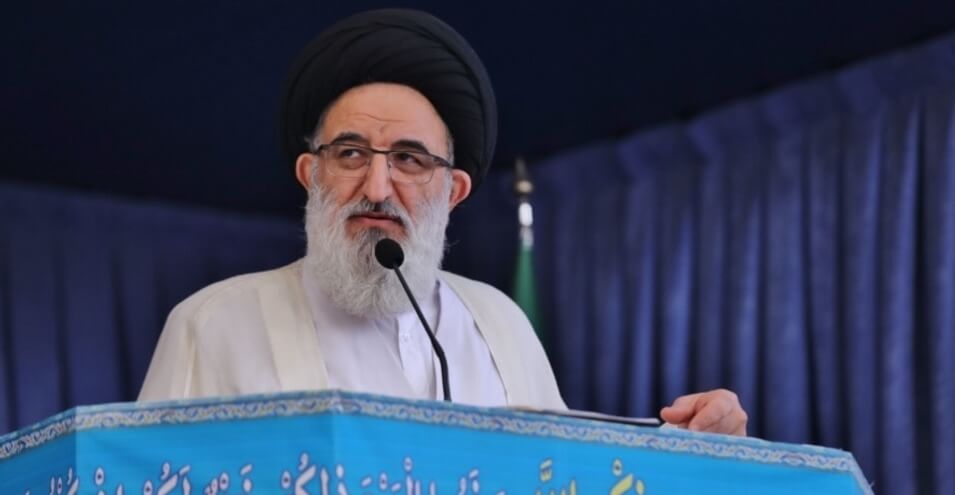
Iran's coronavirus statistics continue to be hidden; number of victims in some provinces is "unknown"
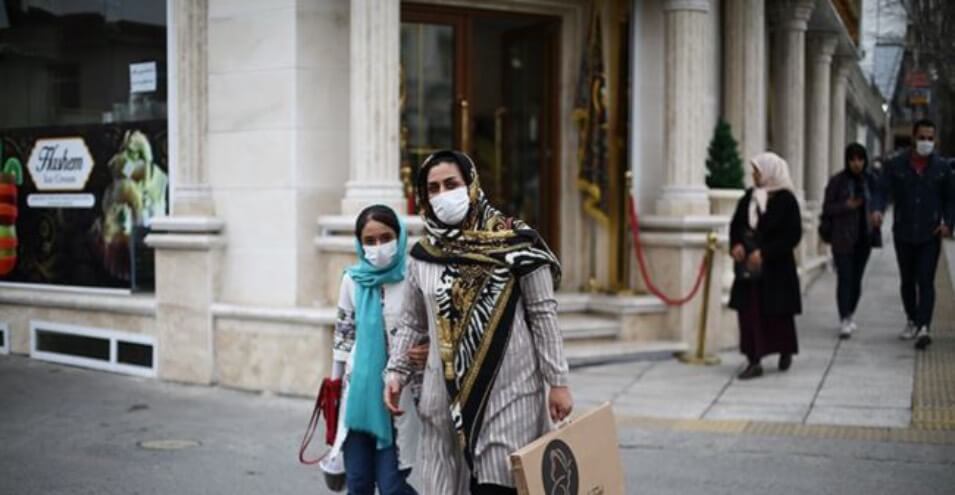
While the death toll in some provinces is still not being announced transparently by the authorities, the Ministry of Health has reported 92 deaths from the coronavirus in Iran.
Kianoush Jahanpour, head of the Public Relations Center of the Ministry of Health, said on Wednesday, March 4, that so far 2,922 people in Iran have been infected with the coronavirus, of which 92 have died and 552 have recovered.
Accordingly, the highest number of infected people is in Tehran with 253 people, Qom with 101 people, and Gilan with 35 people. However, the Health Ministry official did not announce which provinces the deaths were from.
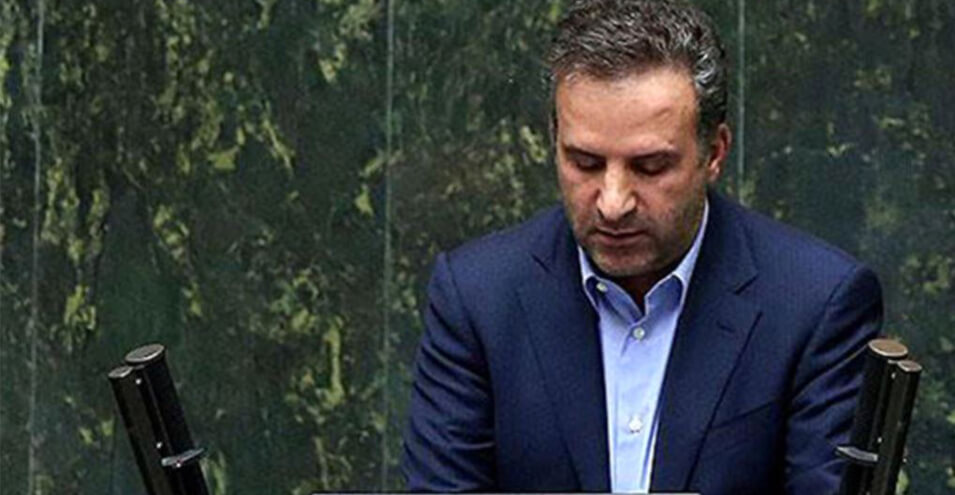
Criticism of transparency in information has increased even as Masoud Pezzekian, the Deputy Speaker of the Islamic Consultative Assembly, did not consider the number of people infected with the coronavirus in Iran to be real and said that the coronavirus in Iran was taken "as a joke."
The Rasht representative in parliament also considered the death toll from the Ministry of Health to be "something like a joke" and described the situation in Gilan as dire.
However, IRNA News Agency published a report from provincial medical officials as of noon on Wednesday, March 4, according to which the death toll in Tehran, Qom, and Gilan provinces is still unknown, even though these three provinces have the highest number of people infected with the coronavirus.
While the total number of victims has been announced as 71, the Ministry of Health announced this figure at noon today as 92. The previous figure from the Ministry of Health was 77, which is again different from the figures from the universities of medical sciences.
Despite all these differences in statistics and criticism, Ayatollah Khamenei, the leader of the Islamic Republic, on Tuesday considered the information provided by Islamic Republic officials about the coronavirus in Iran to be honest and transparent, and said that some other countries where the disease is more severe are concealing it.
This is while many believe that the information about the coronavirus infection in Iran was released late due to the coincidence with the elections for the Islamic Consultative Assembly, and therefore, the infection quickly became a pandemic.
The outbreak of the virus near Nowruz has also caused problems for the tourism industry in Iran.
As the coronavirus continues to spread in Iran, Isfahan provincial authorities have announced a ban on tourists entering the historic village of Abyaneh and on accommodation in the province. The governor of Isfahan announced on Wednesday, March 4, that this year, it is not possible to accept and accommodate Nowruz travelers in the form of camps, schools, gyms, guesthouses, inns, and the like. The head of the Islamic Council of the historic village of Abyaneh also said that until further notice, tourists are prohibited from entering Abyaneh.
Jamshid Hamzezadeh, head of the Iranian Hoteliers' Professional Association, said on Wednesday, March 4, that the occupancy rate of hotels in Iran has dropped below 5 percent and the damage to hoteliers will amount to hundreds of billions of tomans.
On the other hand, after concerns about the spread of the coronavirus have also increased in Mashhad, the Director General of Road Administration and Road Transport of Khorasan Razavi announced on Wednesday, March 4, that in-person bus tickets will not be sold to passengers at the Mashhad passenger terminal and that road trips in the province will continue.
Despite the outbreak of the coronavirus in several Iranian cities, religious leaders and security agencies in the cities of Qom and Mashhad have not yet agreed to close religious places. This is while almost all countries in the world have taken the risk of the spread of the virus very seriously. For example, Saudi Arabia has suspended the Hajj and Umrah pilgrimage, even for its citizens and residents.
Public opinion in Iran is concerned about the Iranian authorities' secrecy. The first death from coronavirus was reported on March 1, even though officials had previously denied any cases of coronavirus in Iran.
US Secretary of State Mike Pompeo, speaking at a meeting of the House Foreign Affairs Committee on Friday, March 29, said that the Iranian regime is reluctant to provide information about the spread of the coronavirus, and that he is concerned that they may have hidden important information, given the Islamic Republic's record of secrecy.
This is the second time that the US Secretary of State has expressed concern about possible cover-up by Iranian officials. Last week, Mike Pompeo also warned that the US was concerned about the Islamic Republic's cover-up of the coronavirus outbreak.
The United States announced on Thursday that it has granted waivers from sanctions on Iran, allowing Iran's central bank to make financial transfers to send certain humanitarian services.
Source: Voice of America