اعدام دو زندانی کرد در بی خبری مطلق: اجرای حکم به وکیل و خانواده ها ابلاغ نشد
مهدی وکیل نژاد، وکیل دیاکو رسول زاده، زندانی سیاسی کرد که سه شنبه صبح به اتفاق صابر شیخ عبدالله دیگر زندانی کرد اعدام شد، در مصاحبه با کمپین حقوق بشر در ایران گفت که اجرای حکم اعدام موکلش به او و خانواده آقای وکیل نژاد ابلاغ نشده و اعدام در بی خبری کامل وکیل و خانواده ها اجرا شده است.
آقای وکیل نژاد به کمپین گفت که از طریق رسانه ها در جریان اجرای حکم اعدام موکلش قرار گرفته و در مراجعه خانواده آقای رسول زاده هم هیچ پاسخی داده نشده است.
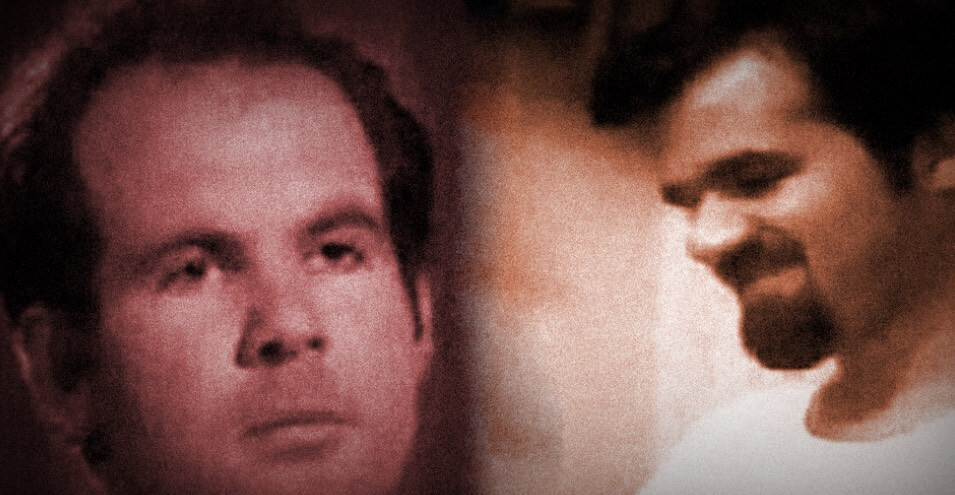
دیاکو رسول زاده و صابر شیخ عبدالله بامداد روز سه شنبه، ۲۴ تیر ماه در زندان مرکزی ارومیه اعدام شدند. آنها متهم به بمب گذاری در رژه نیروهای مسلح در شهد مهاباد در ۳۱ شهریور ۱۳۸۹ بودند که در جریان این بمب گذاری بیش از ۱۱ زن و یک کودک کشته شدند. مهدی وکیل نژاد، وکیل دیاکو رسول زاده به کمپین گفت که موکلش در زمان انفجار، سرباز بوده و در پادگان هنگ مرزی پیرانشهر به سر می برد.
آقای وکیل نژاد به کمپین گفت: “نامه رسمی پادگان هنگ مرزی مبنی بر این بود که آقای رسول زاده ۳۱ شهریور ۸۹ در این پادگان بوده. بعد از صدور حکم اعدام در دادگاه مهاباد وقتی پرونده به دیوان عالی کشور رفت ما شبهات را مطرح کردیم گفتیم که نمی شود یک نفر در یک زمان واحد هم در پادگان باشد و هم در مهاباد. دیوان عالی کشور هم براساس همین نامه پادگان حکم را نقض کرد و اعلام کرد که شبهات جدی وجود دارد. پرونده به شعبه هم عرض در ارومیه رفت و همان زمان نامه دیگری از پادگان آوردند مبنی بر اینکه امکان دارد از پادگان خارج شده باشد و ثبت نشده باشد. بر مبنای همین نامه دوباره حکم اعدام دادند و متاسفانه تقاضای اعاده دادرسی ما هم رد شد.”
اردیبهشت ماه ۱۳۹۵ رسانه های جمهوری اسلامی از خودکشی رحمتالله شریفی فرمانده هنگ مرزی پیرانشهر خبر دادند. او کسی بود که نامه تاییدیه حضور دیاکو رسول زده در پادگان در زمان انفجار را صادر کرده بود. یک منبع آگاه به کمپین گفته است: “بعد از آنکه دیوان عالی کشور حکم را نقض کرد وزارت اطلاعات نامه ای از پادگان با امضای فرمانده جدید به پرونده اضافه کرد مبنی بر اینکه شاید دیاکو رسول زاده از پادگان خارج شده و خروج او ثبت نشده است. این در حالی است که ورود و خروج همه افراد و سربازها به پادگان ها رسما ثبت و ضبط می شود و امکان ندارد که ثبت نشود.”
حسین عثمانی دیگر هم پرونده ای این پرونده به بیش از ۳۰ سال زندان محکوم شده است. مهدی وکیل نژاد که وکالت او را هم برعهده دارد به کمپین گفت: “آقای رسول زاده اقرار کرده بود که بمب گذاری را ایشان انجام داده در دادگاه هم من و خانواده ایشان اصرار کردیم که اگر شکنجه شدی بگو. حرفی نزد و متاسفانه ما هیچ کمکی نتوانستیم بکنیم. آقای عثمانی اما از اول اقرار نکرد همه اتهامات را رد کرد و گفت من اصلا این افراد را نمی شناسم حکم اولیه ایشان هم اعدام بود اما ما اعتراض که کردیم در نهایت نقض شد و بعد شعبه یک دادگاه انقلاب مهاباد ۳۰ سال زندان در تبعید به ایشان داد.”
حسین عثمانی در حال حاضر در زندان مرکزی ارومیه زندانی است.
به گفته آقای وکیل نژاد، موکلانش به “محاربه از طریق عضویت در حزب کومله و مشارکت در بمبگذاری ۳۱ شهریور ۱۳۸۹ در مراسم رژه نیروهای مسلح در مهاباد” متهم شده بودند.
این در حالی است که دیاکو رسول زاده در همان زمانی که در اعترافاتش گفته در اردوگاه کومله به سر برده، در پادگان هنگ مرزی پیرانشهر بوده است. یک منبع آگاه به کمپین گفته است که “وزارت اطلاعات به دیاکو رسول زاده و صابر شیخ عبدالله وعده داده بود در صورت اقرار به دست داشتن در انفجار مهاباد، آنها را ظرف ۵ سال آزاد خواهد کرد.”
به گفته این منبع “اعترافات هر دو نفر تحت فشار و شکنجه صورت گرفته و آنها از سوی وزارت اطلاعات تطمیع و تهدید شده بودند که اگر در دادگاه حرفی از شکنجه بزنند اعدام خواهند شد اما در صورت همکاری با وزارت اطلاعات بعد از ۵ سال آنها را آزاد خواهند کرد. برای همین نه فقط در دادگاه حرفی نزدند بلکه خانواده های آنها هم تحت فشار سکوت کردند و امیدوار بودند به اینکه فرزندان شان آزاد خواهند شد اما حتی زمان اجرای حکم اعدام هم به خانواده ها ابلاغ نشد و در بی خبری مطلق اعدام شدند.”
Source: Human Rights Campaign