Australia grants asylum to soccer players' daughters and the uncertain fate of those who return to Iran

Australian authorities have granted asylum to Iranian soccer players' daughters through humanitarian visas and announced that they can own homes here after they threatened to refuse to sing the national anthem.
The refusal to sing the Islamic Republic's anthem at the Asian Cup has turned the Iranian women's national football team into the center of a political crisis; a crisis that is linked to internal threats, the asylum of a number of players, and concerns about the fate of other players after their return to Iran.
The Iranian women's national football team's appearance in the final round of the Asian Cup, their first time ever, could have been considered a major sporting event. However, a series of political developments and harsh government reactions turned this appearance into one of the most newsworthy events in recent days.
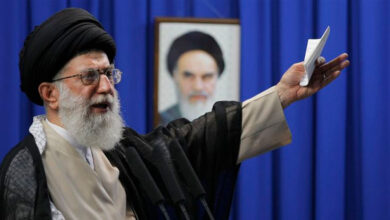
The team entered the tournament just two days after the joint Israeli-American attack on Iran that killed former Islamic Republic leader Ali Khamenei, an event that had deeply inflamed the country’s political climate. In such circumstances, the Iranian women’s national team players refused to sing the Islamic Republic’s anthem on March 1, ahead of their first match in the tournament, which is being hosted by Australia.
The players did not provide an official explanation for their silence. But the silence was enough to trigger a wave of strong reactions in the political atmosphere inside Iran. Some hard-line figures saw the move as a sign of “rebellion” from the government and even described it as treason in a war situation.
Just a few days later, in a highly publicized incident, the Iranian team players sang the national anthem at the start of their second and third matches, and even gave a military salute during the game. This sudden change in the team’s behavior fueled widespread speculation that the players were being pressured by government agencies.
In recent years, Iranian athletes have repeatedly faced security and judicial pressure for political stances or even symbolic behavior. For this reason, many observers believe that the possibility of threats or pressure on members of the women's team to change their behavior is not far-fetched.
Tensions reached a peak at the end of Iran's third game on March 8. At the end of the match, a group of fans surrounded the team bus outside the stadium and shouted at Australian police: "Save our girls."
These scenes were widely shared on social media and became a symbol of concern about the players' safety after returning to Iran.
Shortly after, reports emerged that five members of the Iranian women's national team had applied for asylum in Australia. Official media inside Iran initially dismissed the news as a "rumor," but Farideh Shojaei, vice president of the Iranian Women's Football Federation, indirectly confirmed that the five players had left the hotel with Australian police.
He also announced that he had contacted the embassy, the football federation, the foreign ministry and wherever possible, and even the families of the five players, to follow up on the situation. Rather than ending the uncertainty, these statements raised more questions about the possible pressure on the players and their families inside Iran.
As concerns grew, Iran's Crown Prince Reza Pahlavi took to social media to warn about the fate of the players, urging the Australian government to ensure their safety. He expressed concern that the athletes could face serious consequences if they returned to Iran.
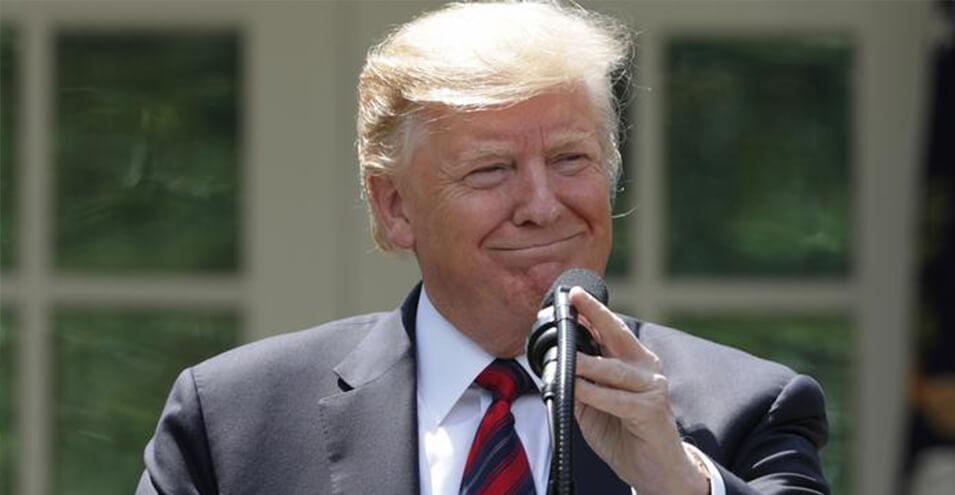
On the other hand, US President Donald Trump also reacted to this issue on the social network "Truth Social", warning that if Australia allows the team to return to Iran, it will be making a very big human mistake.
Trump also said the United States was prepared to accept the players if Australia refused to grant them asylum. He later wrote that he had spoken to the Australian Prime Minister about the issue, adding that some members of the team may decide to return due to concerns about the situation of their families in Iran.
It is worth noting that another player, Golnush, who was unable to communicate with his family due to the internet outage in Iran, received a message from his mother at the last minute telling him to stay in Australia and not return to Iran. He returned to his teammates who had applied for asylum in the last moments before boarding the plane.
Following these developments, on the evening of March 9, the Australian Immigration Minister released images of his meeting with five Iranian footballers and announced that he had told them that they could have a home in Australia and live in safety.
The message came after Australian Foreign Minister Penny Wang had previously declined to comment directly on the Iranian women's team case. She did, however, emphasize that the Islamic Republic has brutally and cruelly suppressed its own people and that the Australian government stands in solidarity with the people of Iran, especially women and girls.
The case of the Iranian women's national football team has once again shown that in the political structure of the Islamic Republic, even sporting events can become arenas for political conflict. The players' few seconds of silence during the national anthem has become a crisis that has now involved governments, politicians, and security agencies.
While the ultimate fate of the players who have applied for asylum remains unclear, many observers believe the story is a reflection of the broader situation for women and athletes in Iran, where even a simple decision on the field can have consequences beyond sport.