Rise of Extreme Islamist Tendencies Among Girls in Germany
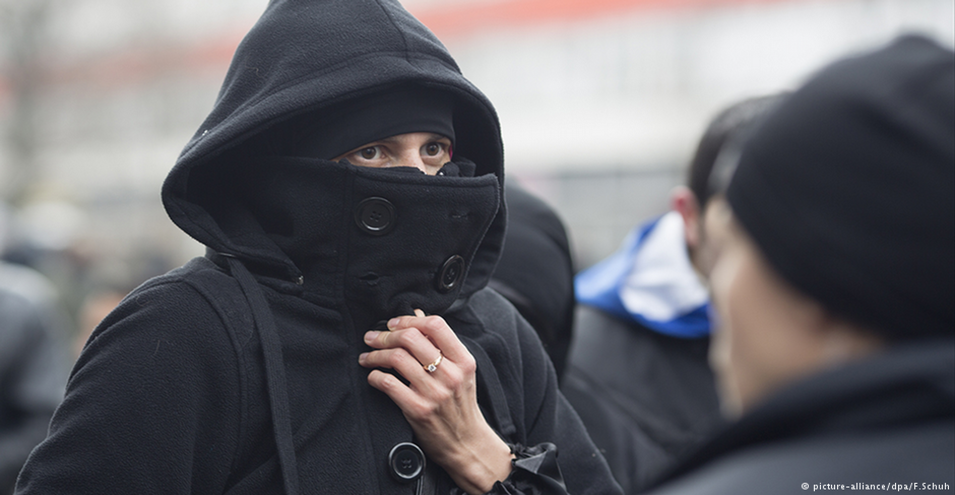
Jihadists are increasingly using young girls to advance their goals and agendas. According to statistics available in Germany, Muslim girls are continuously being influenced by Salafist propaganda and becoming radicalized.
The process of radicalization among Muslim girls in Germany is on the rise. Evidence of this claim comes from a report presented by the newspaper “Neue Osnabrücker Zeitung” based on statistics from the Federal Office for Migration and Refugees. The report states that in the relevant office, an increasing number of cases of Islamic extremism are continuously being recorded, and the tendency of young people, especially girls, toward radicalism is considerable.
In the past, the proportion of girls in such consultations was one-quarter, but in 2015 this figure reached half, and this trend continued to rise in 2016. Since 2012, when the relevant office opened a consultation hotline on this issue, more than 2,500 cases of contact have been registered.
According to estimates by Michael Kiefer, from the Institute for Islamic Studies at the University of Osnabrück, the age at which girls tend toward extremism in Germany has reached 13 years, and this threshold is continuing to decrease.
Kiefer says that unlike boys, who express their extremism through provocative and openly aggressive behavior, the radicalist approach of girls is quiet and inconspicuous.
In Germany, extreme Muslims increasingly go to Iraq and Syria to join terrorist groups such as ISIS. Germany’s national security office states that in 2013 the number of such individuals was 850, one-fifth of whom were girls.
Targets of Salafist Propaganda
Religious education expert André Töbert tells the “Neue Osnabrücker Zeitung”: “The fact that girls absorb radical messages more quickly is due to the crises and needs of adolescence and the differences in this transition period between girls and boys.”
He says Salafists can easily meet the needs that girls have to demonstrate their maturity and overcome the challenges of youth: “In their propaganda, they link the problems of young people and adolescents to things that other political groups ignore.”
Research by German experts also shows that the tendency toward radicalism among young girls exists in every social stratum and is not limited to a particular class. For example, some have grown up in secular or non-religious families, others in Christian families or in non-traditional and secular Muslim families.
André Töbert says that girls who become extremists rarely come from conservative and bigoted families: “Someone who grew up in a home where Islam was part of their daily life is not a good environment for extremists, because they have gradually learned the complexities of belief in a different way and are not easily susceptible to the temptation of rigid religious interpretations.”
Youth education experts say that alongside personal relationships, the Internet and social media also play a significant role in increasing extremism.
Michael Kiefer from the Institute for Islamic Studies at the University of Osnabrück says WhatsApp is the primary communication tool in this regard: “Those girls and women who travel to Syria have been deliberately in contact with groups organized on WhatsApp.”
Source: DW