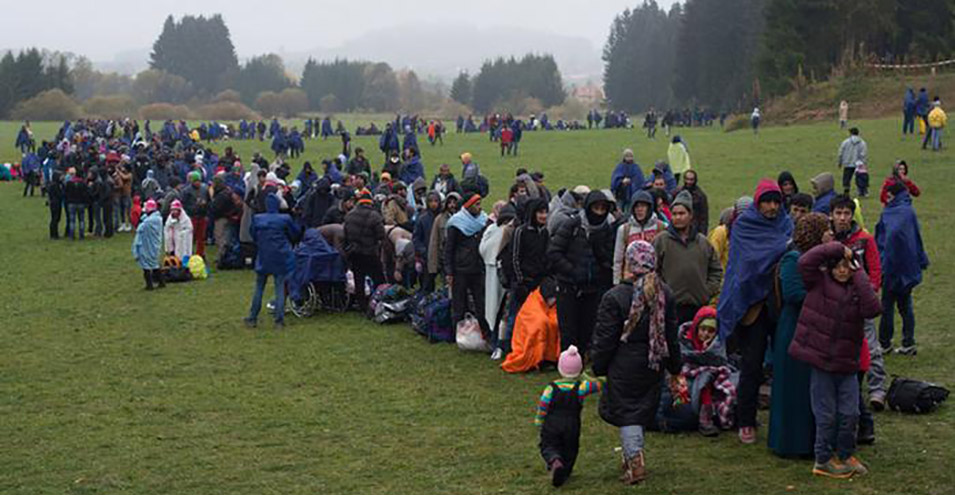
Iranians have been the most frequent asylum seekers in Britain
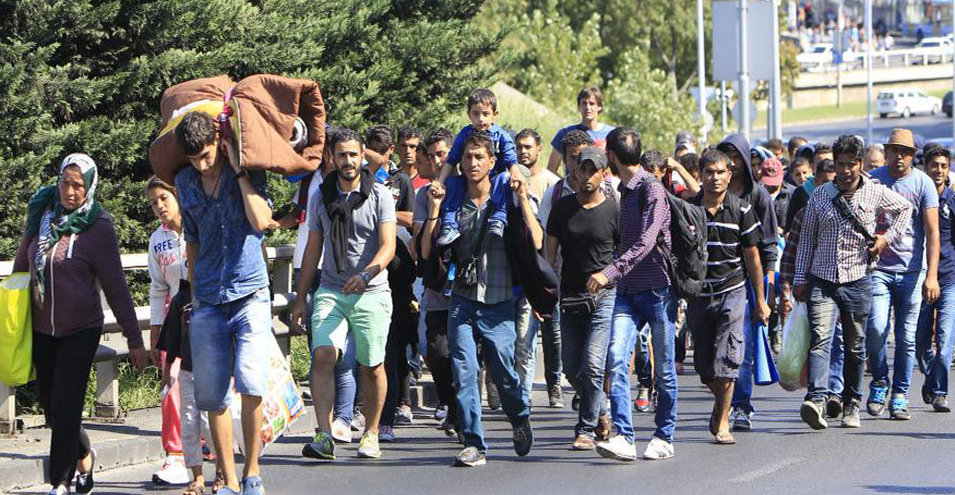
A new report from the British Office for National Statistics on immigration to the country in 2015 shows that Iranian citizens submitted the highest number of asylum applications compared to other countries.
According to these statistics, the number of Iranians who have applied for asylum in the UK has almost doubled compared to 2014, reaching 4,811 people.
After Iran, citizens of Pakistan, Iraq, and Eritrea have been the most likely to apply for asylum in Britain.
Afghanistan ranks fifth with 3,133 asylum seekers who have applied for asylum through the legal process. The number of Afghan asylum seekers has also nearly doubled since 2014.
According to the UK Office for National Statistics, 49% of Iranians who applied for asylum either had their application approved or had some form of support provided to them.
This figure is 34 percent for Afghan citizens and 16 percent for Iraqi asylum seekers, or about one-third of Iranians.
European Union
According to the UK's Office for National Statistics, net immigration to the country reached 333,000 people in 2015, a slight increase from the previous year.
This is more than three times the target set by the British government (100,000 people).
Net migration figures in this report refer to the number of people who have immigrated to the UK for at least one year, minus the number of people who have left the UK.
The new figures come ahead of Britain's referendum to decide whether to remain in or leave the European Union.
According to these statistics, the net migration of EU citizens to the UK was about 184,000.
The British government says it remains committed to its commitment to reducing immigration and that leaving the EU is not a viable solution to this problem.
But opponents of Britain remaining in the European Union have warned, citing these figures, that immigration is out of government control and that remaining in Europe would mean a "permanent farewell" to immigration controls.
Source: BBC Persian