The arrest of "Ghazel Marzban", the voice of silence in the heart of Tehran
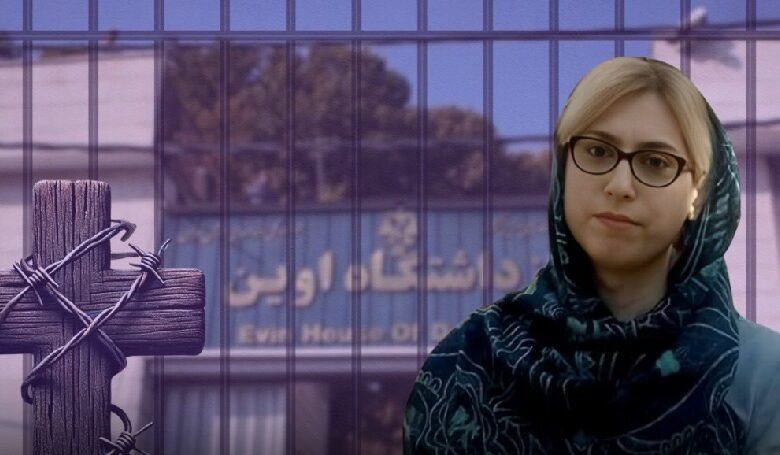
The arrest of "Ghazel Marzban," a Christian citizen, indicates increased pressure on religious activists with arrests and judicial rulings against these citizens.
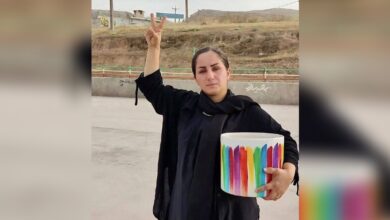
According to multiple human rights sources, Ghazal Marzban, a 41-year-old Christian citizen living in Tehran, has been arrested again by the security forces of the Islamic Republic of Iran. The action was taken at midnight on Wednesday, January 15, 1404, and she was transferred to a detention center affiliated with the Ministry of Intelligence after agents raided her home. So far, no clear information has been released about her current condition or exact location, and this uncertainty has caused serious concern for her family and relatives.
Reports indicate that Ghazal has previously been arrested, convicted, and imprisoned in Evin Prison. According to court records, she was convicted on charges of “propaganda against the regime” and “failing to observe the Islamic veil in public.” For these charges, she received six months in prison and 74 lashes, part of which was carried out and the rest was suspended. The sentence also included a ban on using a smartphone for a specified period of time.
During one of the protest rallies that led to his arrest, sources close to the family said that the border guard, in response to the difficult situation of the Iranian people, referred to the problems, addressed Pope Francis and shouted "poverty and oppression in Iran" and asked him to support the Iranian people, statements that likely contributed to the intensification of pressure against him.
Human rights activists and independent organizations have reported that the wave of arrests of civil society activists, protesters, and especially converted Christian citizens has increased in Iran. Many have faced long sentences, floggings, and social bans simply for their religious beliefs or participation in peaceful gatherings. Numerous examples of this include long prison sentences for Christians in Tabriz and Isfahan, and pressure on individuals who even campaign for religious rights or freedom of expression.
For example, in recent years, several other Christian citizens have been sentenced to long prison terms and heavy penalties, including two Christians in Tabriz who received a total of 24 years in prison and civil bans, and two brothers in Isfahan who were each sentenced to four years in prison.
These events come as the international community and religious freedom groups have repeatedly warned of the pressure on religious minorities in Iran. Torture, denial of medical care, resolutions and judicial pressure against those who openly express their beliefs are a large part of the current challenges that target not only religious freedom, but also fundamental human rights.