UN sanctions against Iran return as trigger mechanism activated
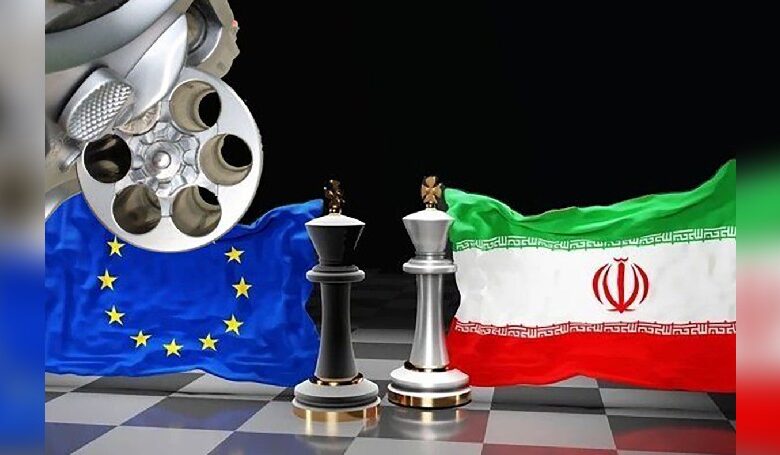
With the defeat of the China-Russia resolution in the Security Council, the trigger mechanism was activated and the return of UN sanctions against Iran became certain.
A resolution proposed by China and Russia to suspend the trigger mechanism for six months has failed in the Security Council. The plan received only four votes in favor (China, Russia, Pakistan and Algeria), while it received nine votes against and two abstentions. Now the “snapback” has been finalized and the UN Security Council sanctions against Iran will be reimposed tomorrow at 8 pm New York time after a lapse of ten years.
The rejection of this resolution effectively paved the way for the automatic return of sanctions and eliminated the need for the US to use its veto.
The snapback mechanism is a key clause in the nuclear deal (JCPOA) that allows any party to the agreement to refer the matter to the Security Council if it believes Iran has not complied with its commitments. If there is no consensus to continue the sanctions suspension, all previous Security Council restrictions will automatically be reinstated. The activation of this mechanism means the return of the most extensive set of sanctions against Iran since 2015.
The return of sanctions is likely to increase pressure on the Iranian economy. Access to international financial and banking markets will be further restricted, foreign investment will decline, and foreign trade will face higher costs and risks. Domestically, experts predict a rise in inflation and a weakening of the national currency, which could further complicate economic conditions.
From a political perspective, this development also reflects a serious divide among the members of the Security Council. Although China and Russia tried to prevent the return of sanctions, the opposition of the majority of members prevented this effort from succeeding. The activation of the trigger mechanism could further complicate the atmosphere for future negotiations on the JCPOA and further limit the scope of Iran’s interactions with its allies and international partners. In addition, this move is likely to strain Iran’s diplomatic relations with some countries.