"Fatima Tadzidi's" return to prison is a symbol of the regime's cruelty in denying treatment and suppressing prisoners.
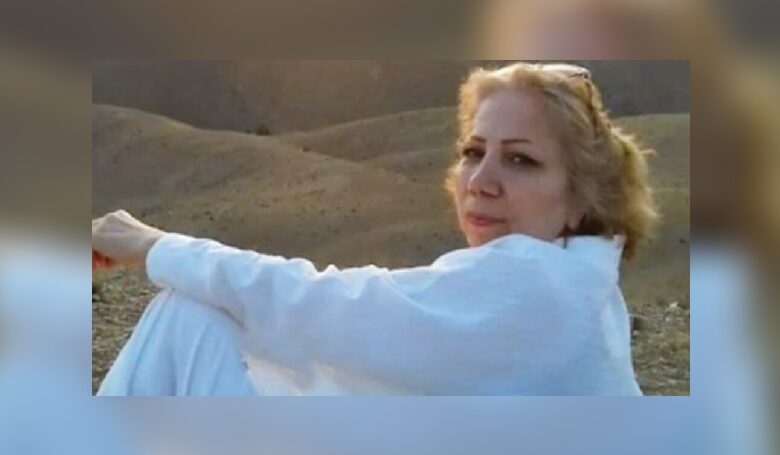
بازگشت فاطمه تدریسی به زندان کچویی پس از پایان مرخصی درمانی، نمونهای از نقض حقوق انسانی و سیاسی زندانیان است که بار دیگر بیاعتنایی جمهوری اسلامی به سلامت و آزادی زندانیان سیاسی را نشان میدهد.
در تازهترین مورد از بیاعتنایی گسترده حکومت ایران به سلامت، آزادی و حقوق انسانی زندانیان سیاسی، فاطمه (مژگان) تدریسی فعال سیاسی محکوم به حبس و تبعید، بار دیگر به زندان کچویی کرج بازگشت؛ اقدامی که واکنشهای حقوق بشری را به دنبال داشته و تصویر تلخی از سرکوب نظام قضایی ایران ارائه میکند.
این بازگشت به زندان روز گذشته چهارشنبه ۳ آذر ۱۴۰۴ صورت گرفت، زمانی که دوره مرخصی درمانی وی به پایان رسید و ماموران او را دوباره به بند منتقل کردند.
خانم تدریسی اوایل مهر ماه با تودیع وثیقهای سنگین به مرخصی اعزام شد، مرخصیای که بنا به گفته نزدیکانش با هدف ادامه درمان دریافت شد، اما این مرخصی تنها دو ماه طول کشید و سپس به شکل بیسابقهای پایان یافت، با اینکه مرخصی وی ۳ ماهه بود و هنوز به درمان و بهبود نیاز داشت.
این تصمیم نگرانکننده در حالی گرفته شد که پزشکان معالج درخواست کرده بودند درمان او ادامه یابد، اما پزشکی قانونی و قاضی اجرای احکام، از تمدید مرخصی امتناع کردند و تدریسی را پیش از تکمیل روند درمان به زندان بازگرداندند، اقدامی که حقوق بشر بینالملل آن را نقض آشکار حقوق اساسی زندانیان میداند.
خانم تدریسی که اواخر دیماه ۱۴۰۲ توسط شعبه اول دادگاه انقلاب کرج به شش سال حبس و دو سال تبعید به شهرستان زنجان محکوم شده بود، با اتهامهایی چون «تبلیغ علیه نظام»، «اغوا و تحریک مردم به جنگ» و «توهین به رهبری» روبهرو است، اتهاماتی که فعالان حقوق بشر آنها را سیاسی و عقیدتی و فاقد وجاهت جرمانگاری واقعی میدانند.
این نوع اتهامات مبهم و گسترده که علیه بسیاری از منتقدان و فعالان در ایران به کار میرود، نشاندهنده سیاست سرکوب سیستماتیک مخالفان سیاسی و اجتماعی است؛ از جمله زنان معترض و فعالانی که در جریان جنبش «زن، زندگی، آزادی» بازداشت شدهاند.
دادخواهی برای وضعیت تدریسی، باید در بستر یک الگوی تهدیدآمیزتر در زندانهای ایران دیده شود. گزارشهای معتبر سازمانهای حقوق بشری، از مرگ چندین زندانی در زندانهای ایران به دلیل محرومیت از مراقبتهای پزشکی ضروری حکایت دارد، نمونههایی که نشان میدهد مقامات، اغلب درمان به موقع را نادیده میگیرند و سلامتی زندانیان را به خطر میاندازند.
فعالان جهانی از مقامات ایران خواستهاند تا آزادی فوری زندانیان عقیدتی و سیاسی را درخواست کنند و به موج اعدامها و نگهداری در شرایط غیربهداشتی پایان دهند.
بازگشت تدریسی به زندان پس از قطع مرخصی درمانی، نهتنها نقض حقوق فردی اوست، بلکه نمادی از بیرحمی نظام قضایی ایران در مواجهه با بیماری، رنج و اعتراض زندانیان سیاسی به شمار میرود.
این اتفاق فراتر از یک پرونده فردی است. آنچه برای تدریسی رخ داده، بیتوجهی عمدی به قوانین بینالمللی حقوق بشر و اصول محکمی چون حق بر سلامت، درمان و آزادی بیان را نشان میدهد، حقوقی که ایران به موجب معاهدات بینالمللی موظف به رعایت آنهاست.
بازگشت او به زندان در کنار گزارشهای دیگر از زندانیان سیاسی، در خطر جدی و محرومیت از حقوق اساسیشان، باید برای جامعه جهانی و سازمانهای حمایت از حقوق بشر چراغ هشداری جدی باشد که وضعیت زندانیان سیاسی در ایران در بحران و نیازمند توجه فوری است.