Welfare: We will not accept addicts in red provinces
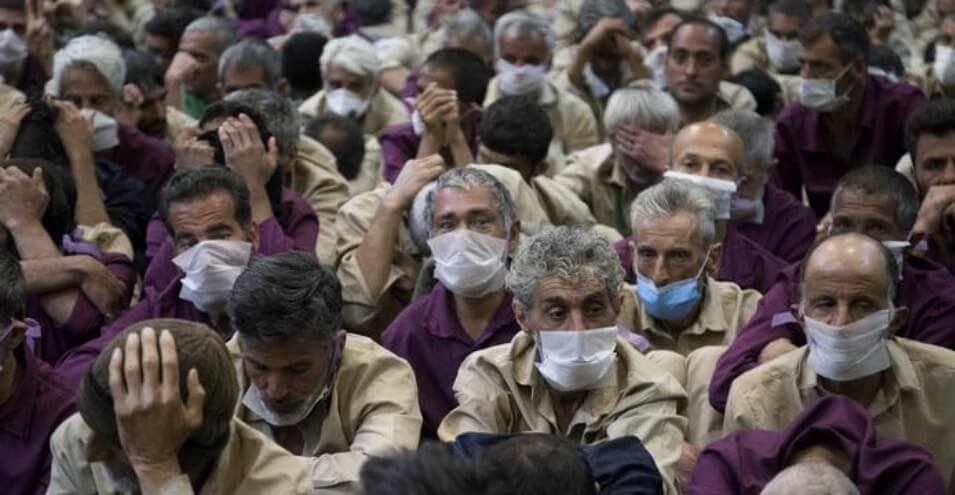
25 provinces of Iran are in a state of alert and red. The Director General of the Prevention Office of the Welfare Organization announces the ban on accepting addicts in care centers in red provinces. Addicts have the opportunity to quit addiction and find shelter in only six provinces.
Welfare Organization Article 15 and 16 centers have closed their doors to addicts during the coronavirus pandemic. Farid Barati Sadeh, director general of the Welfare Organization's Prevention Office, says that accepting addicts has been banned in all provinces that are in a red state.
Mizan News Agency quotes Barati Sade as saying: "In these centers, only people who were previously housed there are being held. These people are also being quarantined so that they do not get sick."
According to the latest announcement by the Ministry of Health, 14 Iranian provinces are in red status, including Mazandaran, Tehran, Golestan, North Khorasan, Ardabil, Isfahan, Alborz, Khorasan Razavi, Kerman, Semnan, East Azerbaijan, Markazi, Yazd, and Gilan.
The aforementioned ban means homelessness and abandonment of thousands of addicts in densely populated and dangerous cities such as Tehran, Karaj, and Mashhad.
Articles 15 and 16 of the Anti-Narcotics Law are based on the executive regulations of the centers for the care, treatment, and harm reduction of addicts. The Anti-Narcotics Headquarters and the Welfare Organization are responsible for caring for addicts and helping them quit their addiction in camps called Article 15 and 16 centers.
With the beginning of the coronavirus outbreak in Iran, these centers were closed on the recommendation of the Ministry of Health, and several thousand addicts across Tehran were left to their own devices.
The Director General of the Welfare Prevention Office has announced that in the white provinces, the directors general of the welfare organization have the authority to accept addicts depending on the acceptability of the conditions. Barati Sadeh added at the same time that Article 16 centers are only using half of their capacity.
Gray statistics of addicts infected with coronavirus
The Iranian Ministry of Health spokesman announced on Thursday, August 6, that 11 provinces in Iran are on alert. Including the 14 provinces with red status, only six of the country's 31 provinces remain white, where the admission of addicts to detention centers is also being done conditionally and at half capacity.
There are no statistics showing how many addicts under the supervision of the welfare department have contracted or died from COVID-19. On June 29, Farid Barati Sadeh said that 59 public addicts in 10 provinces of Iran had contracted COVID-19. Now, he tells “Mizan” in general terms: “A number of these people contracted COVID-19 in the cities, but after being introduced to medical centers, they recovered, and thank God, no deaths have been reported among addicts in our centers.”
This welfare official had previously stated that the low rate of coronavirus infection among addicts is due to their isolation in their hangouts.
The exact number of drug addicts in Iran is also unknown. In the spring of 2018, the Anti-Narcotics Headquarters announced that a total of 2.8 million people in Iran are regular drug users.
The latest statistics from the Iranian Ministry of Health put the number of deaths from the coronavirus at 17,976 and the total number of infected people at 320,117. Field evidence, burial rates in cemeteries, and comparisons of data from independent sources, however, indicate that the real figure is at least twice the amount officially announced.
The Ministry of Health announces these statistics in an undisaggregated form.
On July 20, the secretary of the Tehran Province Anti-Drug Coordination Council said: “Currently, 9,260 drug addicts are being held in Article 16 centers, of which about 100 have tested positive for COVID-19.” ISNA news agency quoted Mostafa Hadizadeh as saying on that date: “This figure is specific to men and is very low for women.”
Source: DW