Destruction of historical memory instead of accountability, criticism of Alireza Dabir's statements about Azadi Stadium
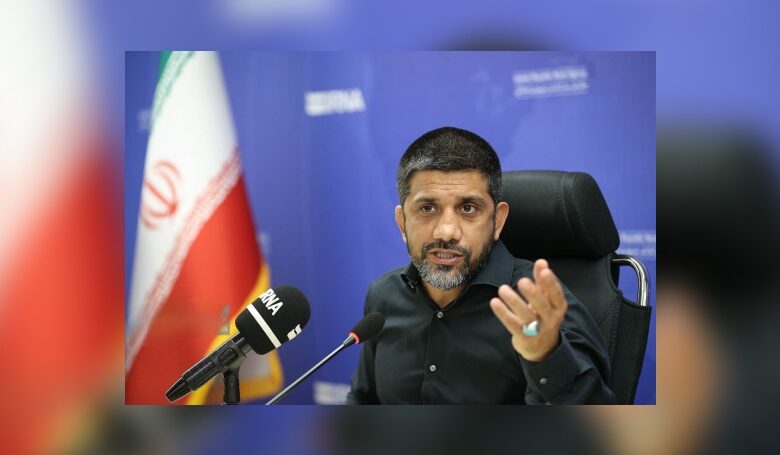
The destruction of historical memory and the denial of names raised serious questions about the moral responsibility of "Alireza Dabir" in the public sphere.
The recent statements of Alireza Dabir, the head of the Islamic Republic of Iran Wrestling Federation, regarding the Azadi Stadium have sparked a wave of reactions in the public sphere and on social networks. These remarks are not only not expected from a national sports director, but have also once again brought the issue of erasing history, denying collective memory, and ideological hostility towards the past back to the center of social debate.
Regardless of its political names and narratives, Azadi Stadium is one of the most important sporting, cultural, and social symbols of contemporary Iran; a place that has hosted the joys, tears, national honors, and shared memories of millions of Iranians for decades. Approaching such a symbol not from a technical perspective, but from a historical grudge, raises serious questions about the prevailing view of the country's cultural and sports management.
In statements that quickly gained widespread coverage, Alireza Dabir said: "If it were up to me and I were allowed to, I would completely demolish and destroy Azadi Stadium so that no one else would build this stadium, except for so-and-so (Mohammad Reza Shah Pahlavi)."
Instead of focusing on improving infrastructure, preserving national assets, or solving the country's real sports crises, this talk is directly tied to denying a name in history; as if the physical removal of a building can erase the past or erase historical truth from society's memory.
In response to these statements, an anonymous person published a critical text that reflects the anger, astonishment, and protest of a section of public opinion. This widely circulated reaction reads: “Mr. Secretary, you used this stadium for 48 years and you ruined it, believing that it was built from the public treasury and was part of the country’s national resources. How can a name bother you so much that you are willing to destroy a stadium of such grandeur and splendor in order not to hear about it, but hearing about government embezzlement and the embezzlement of nobles and officials doesn’t bother you?
If you are going to destroy a building so that you don't hear the name of the head of the dynasty or the person who is causing trouble, you should destroy the country's railways, airports, refineries, power plants, the Bushehr nuclear power plant, the Varesk bridge, the country's roads, the Iran Khodro factory (Iran National) and dozens of other factories, part of the arsenal and weapons, the remnants of the army, which includes the strongest air, naval and land forces, and even the Middle East's air force, which was ranked world-class, the banks that you brought to complete bankruptcy, not the banks that were established for embezzlement, all hospitals and health centers, university and educational centers, membership in international organizations, the urban and intercity transportation fleet, and many other buildings and centers.
Destroy cultural centers that generate income for a part of the country through tourism, such as the Emkan in Fars Province, Hafeziyeh, Saadiyeh, Naqsh-e Rostam, Naqsh-e Rajab, Persepolis, Anahita Temple, etc., so that the name of a person (Mohammad Reza Shah Pahlavi) does not reach your ears, who are illiterate and have a US passport in your pocket. You are even afraid of hearing the names of Ali Daei and Rasoul Khadem. How is it that you are talking nonsense on the back of your stomach to destroy an Azadi Stadium and to show off?
"You, who are praying the recommended prayer behind the decision-making table, have forgotten the martyrs of the 8-year war with Iraq, how a 12-year-old child gave his life for a handful of soil? Of course, I emphasize that the martyred children at that time were raised by the same people whose names you don't want to hear. This means that their power and competence were greater than you and those like you, and you are afraid to even hear their names, which further reveals your incompetence and weakness."
Regardless of the harsh tone of this reaction, its central question is worth pondering: "Why has the removal of historical names and symbols become more sensitive than corruption, inefficiency, and injustice?"
From a Christian and moral perspective, a society that seeks to destroy symbols rather than repent, reform, and respond is not really facing the truth of the matter. The Bible repeatedly warns that “a house built on corruption will not stand.” Destroying symbols is not a sign of strength, but often a sign of fear of the truth.
Alireza Dabir's statements, more than a personal opinion, reflect a kind of official attitude; one that sees history not as a teacher but as an enemy. The fundamental question here is: Is the task of today's managers to destroy the past or to build an honest, just, and accountable future?