22 schools closed in northeastern Syria due to pressure on Christian schools and violation of the right to religious education
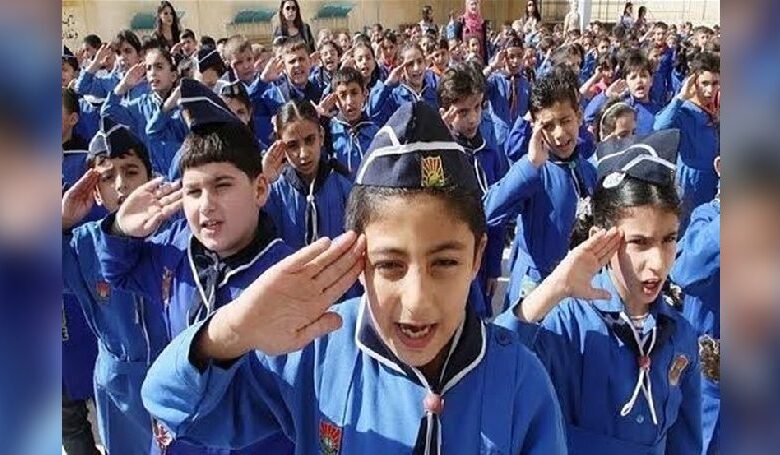
The closure of Christian schools in Qamishli and Hasakah has increased tensions between churches and the autonomous administration of northern and eastern Syria and threatens freedom of religious education.
New tensions have arisen between local churches and authorities in the wake of the recent decision by the Autonomous Administration of Democratic North and East Syria (AANES) to close 22 Christian schools in the Qamishli, Hasakah and other areas of northeastern Syria. The schools were closed for refusing to teach the AANES-approved curriculum and insisting on using the curriculum of the Syrian government in Damascus.
Engineer Saad Anti, a member of the Association of Catholic Schools in Syria, told Asia News that the closures affected schools belonging to seven Christian denominations, calling the move a “direct targeting of the church’s historic role in education.”
The dispute between the autonomous administration and Christian schools began in 2017, when the administration first attempted to impose its own curriculum on Christian schools. After the schools refused to accept the new curriculum, there were attempts to close them, but a temporary agreement was reached with the intervention of the Syriac Union Party.
However, as the Syrian Democratic Forces (SDF) take control of the area, pressure has increased. The autonomous administration is now demanding that schools either follow their curriculum or close their doors.
The impasse has led to an education crisis, forcing families to send their children to other areas or make do with more limited education. Anti said this situation has been a major factor in the exodus of Christians from the region.
Church leaders have now called on SDF commander General Mazloum Abdi to intervene. They have threatened to close schools and ring church bells if a solution is not found.
The autonomous administration has also asked schools to offer free education regardless of costs, a move that Anti sees as an attempt to increase pressure on schools.
These actions, especially in Christian-dominated areas such as Qamishli and Hasakah, have raised serious concerns among the Syrian Christian community. Christian leaders see these actions as a threat to their cultural and religious identity and are calling for international support to protect the rights of religious minorities in Syria.
In these circumstances, the international community must carefully follow developments and support the rights of religious minorities in Syria to prevent the repetition of such actions.