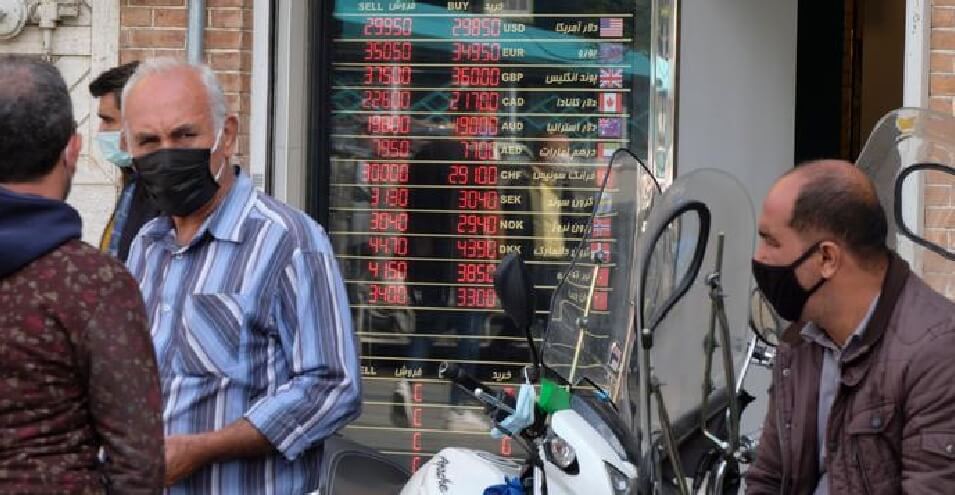
Eliminating the preferential currency will help the government save about $9 billion. Critics, however, believe that this measure will increase inflation in the country. The parliament called on the government to help the people by eliminating the preferential currency through coupons.
On Sunday morning, March 6, Iranian parliament members voted 194 in favor and 42 against to eliminate the preferential currency (dollar at 4,200 tomans).
The law on the elimination of preferential currency was passed at the suggestion of Elias Naderan, a member of the Parliament's consolidation commission. According to this law, if the government removes a product from the preferential currency basket in 1401, it must compensate the consumer for the loss through an electronic product voucher (coupon).
In April 2018, on the eve of the US withdrawal from the nuclear deal, Hassan Rouhani's government announced the dollar's price at 4,200 tomans to prevent volatility in the currency market.
This decision was announced by Eshaq Jahangiri, Rouhani's first vice president, and for this reason it became known as the "Jahangiri Dollar."
The most important goal of allocating 4,200 tomans of foreign currency was to import basic goods, control their prices, and prevent a sharp increase in prices for the end consumer.
Raisi's administration officials and critics of the preferential currency argued that allocating billions of dollars as preferential currency has not prevented rising inflation and the price of essential goods, and has only fueled the market for corruption and rent-seeking.
The government was required to pay $9 billion in 4,200 Tomans for the import of basic goods. Now, by eliminating the preferential currency, this amount will be saved.
However, with the elimination of this currency, there are fears that basic goods will become more expensive, and given the rampant inflation prevailing in Iran, this could double the financial pressures on poor households.
Source: DW