Khamenei: I have not interfered in the elections and I will not do so
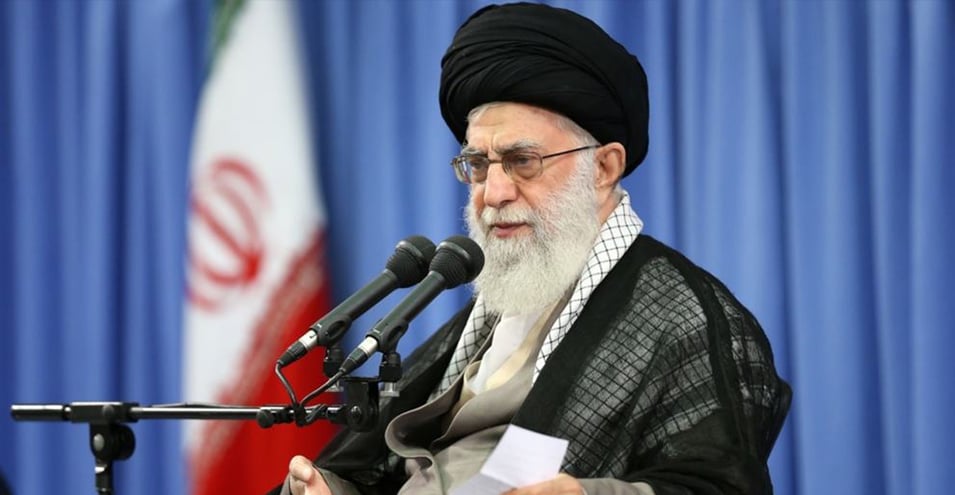
Ayatollah Khamenei says he will not interfere in elections unless, according to him, some people want to stand against the people's vote, and this has happened before.
Ayatollah Seyyed Ali Khamenei, the leader of the Islamic Republic of Iran, stated in a speech in Mashhad on Tuesday, April 2, that he has never interfered in different election cycles and has never told people whether to vote for anyone or not.
He called those protesting the results of the 2009 presidential election people who wanted to break the people's vote and said that this issue has been around for a long time, but people have not noticed some of these cases.
The majority of the Leader of the Islamic Republic's speech was dedicated to economic issues. Referring to issues such as the need to combat smuggling and weaknesses in macro-management, he once again emphasized the policy of "resistance economy" and said: "Importing goods that are produced domestically must be recognized as a religious and legal prohibition."
The importance of Mr. Khamenei's reference to the integrity of the elections lies in the fact that presidential elections will be held in Iran in May of this year, and opponents of the Rouhani government, citing the leader's economic criticisms, have stated that Hassan Rouhani will be the first single-term president of the Islamic Republic.
Mir Hossein Mousavi and Mehdi Karroubi, candidates for the 2009 presidential election, had questioned the integrity of the election, but Mr. Khamenei recognized Mahmoud Ahmadinejad as the president even before the Guardian Council confirmed the election results and openly declared that his views were closer to his.
Mousavi and Karroubi, along with Zahra Rahnavard, have been under house arrest since the winter of 2010, and some officials, such as Ali Motahari, the deputy speaker of the Iranian parliament, have said that this decision was made on the personal orders of Ayatollah Khamenei.
The extralegal and biased performance of institutions under the leadership, such as the Guardian Council and the Revolutionary Guard Corps, has been widely criticized and protested in past elections.
The 2016 United States Human Rights Report, published by the US Department of State, states that "Iranian citizens face restrictions on their ability to determine their government through peaceful means and free and fair elections."
Source: Voice of America