Swedish prosecutors issue indictment against Hamid Nouri, accused of 1967 massacres
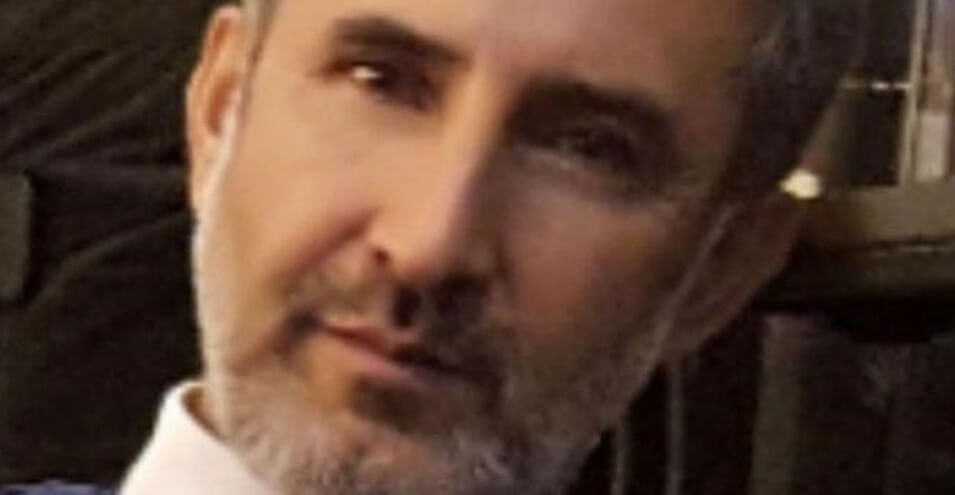
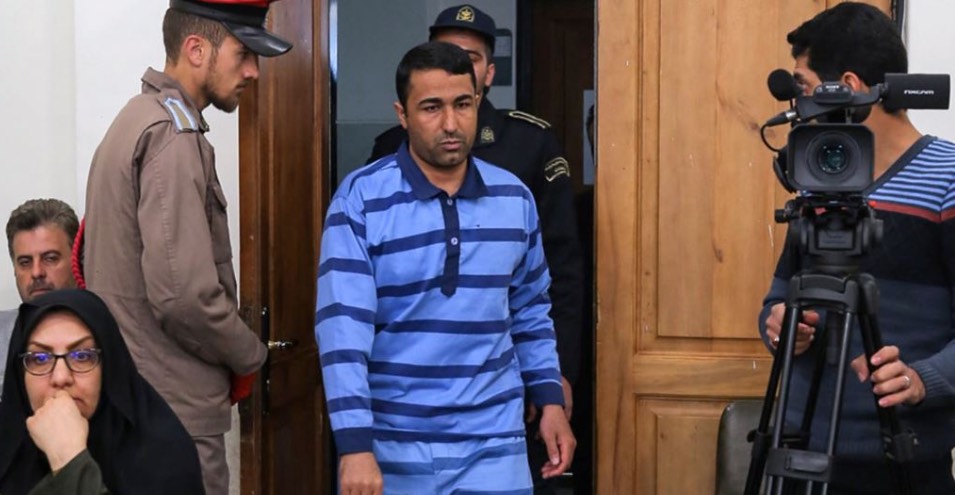
After 20 months of temporary detention, the Swedish prosecutor's office issued an indictment against Hamid Nouri, accused of the 1967 massacre in Iran. According to the indictment, Mr. Nouri is accused of killing political prisoners, members of leftist and Mujahideen groups.
The killing of political prisoners in 1988 has been reported by human rights organizations for years, but no defendant has ever been tried in a European court in this regard.
Hamid Nouri was arrested upon entering Sweden in November 2019. The Swedish court has repeatedly extended his temporary detention period due to the abundance of evidence supporting strong suspicion of his guilt. The Swedish government had agreed in December 2020 to hold a trial for this man accused of involvement in the 1967 massacre.
Hamid Nouri has been identified by witnesses in the case as the assistant prosecutor of Gohardasht Prison in Karaj and one of the eight members of the “execution board” in this prison during the mass execution of political prisoners in the summer of 2018. Ebrahim Raisi, the new President of Iran, was also a member of this board.
Reasons for issuing the indictment by the prosecutor
The Swedish prosecutor's indictment does not provide details on how many witnesses were questioned or which countries they were from.
Iraj Mesdaghi, a former political prisoner and witness in the case, told DW about the arguments and documents the Swedish court used to accept the indictment: "In my memoirs, which were published about two decades ago, I described Hamid Nouri's role in the 1967 massacre in detail, and I emphasized in my book that his real name was Hamid Nouri and that he was known as Hamid Abbasi in prison. Since this book had been published before, it was a solid document for the Swedish judicial system."
"On the other hand, we had introduced witnesses who were aware of the case before Hamid Nouri came to Sweden, and for that reason it was clear to them that the person coming to Sweden was Hamid Nouri and that he was accused of participating in the massacre of '67, and all of this was enough for the Swedish prosecutor to arrest him," Mesdaghi continued.
According to Mesdaghi, statements from nearly 100 witnesses, plaintiffs, and experts have been heard in the case, and the issue of the 1967 massacre has been raised for years in international reports by human rights organizations, including the "Iran Tribunal" and a report prepared at the request of the "Broumand Foundation."
"This set of documents was sufficient to arrest Hamid Nouri," Mesdaqi told DW. "Today, the prosecutor accepted our claims, and Hamid Nouri's indictment has been presented to the court."
Continuing his speech, Mesdagi answered the question of why the process of investigating Hamid Nouri's case took so long: "The Swedish judiciary should have spoken to all the witnesses and complainants. The witnesses and complainants were called to Sweden and questioned there, and also due to the spread of the coronavirus pandemic, some were unable to come, and they were also interrogated in coordination with the judiciary and police of other countries. This case is very sensitive, and the Swedish judiciary should have conducted a thorough investigation so that both the case is documented and no one's rights are violated."
According to Mr. Mosadaghi, as predicted, the trial will be held in 90 sessions and will last at least until April 2022, which is about 9 more months. He emphasized that the Hamid Nouri case is one of the largest cases in terms of "crimes against humanity" and "violations of international law."
The reaction of the Islamic Republic of Iran
Mosadeghi further noted that the Hamid Nouri case is also very important for the Iranian government, and for this reason, it has not yet shown any reaction and has tried to remain silent regarding this case.
Mesdaghi continued: "It should be noted that Mr. Hamid Nouri was arrested based on the principle of universal jurisdiction and that he was a facilitator during the 1967 massacre and, along with Mr. Ebrahim Raisi, is considered one of the main members of the 1967 massacre committee."
Continuing his speech, Mesdagi also mentioned that if Hamid Nouri is convicted in Sweden, it will have serious consequences for Ebrahim Raisi, the future president of Iran.
At the end of his speech, Iraj Mosadaghi said that from a legal perspective, the question arises as to how Ebrahim Raisi, as president, can enjoy legal immunity and travel to Europe, America, or international forums? This issue could be considered a problem for international law, and then this issue should be pursued in another dimension.
Source: DW