Iranian academics call on the head of the judiciary to release environmental activists
More than 100 Iranian academics and researchers have written an open letter to Ebrahim Raisi, the head of Iran's judiciary, calling for the release of detained environmental activists from prison.
An open letter from 101 Iranian university professors and academic board members addressed to the head of the judiciary demanding the release of detained environmental activists was published in some Iranian media outlets on Tuesday, June 25, at the end of “Environmental Week.” A copy of the letter has been sent to Issa Kalantari, head of the Environmental Protection Organization.
The letter notes that a number of "Iran's most renowned environmental experts and activists" have been in temporary detention on charges of espionage for more than 500 days.
This is despite the fact that, according to the letter's authors, even the country's two intelligence agencies disagree on whether the detained environmental activists have committed any crimes at all: "One considers the defendants to be spies, while the other, which is the country's specialized authority for detecting espionage, does not consider them to be spies and believes that no crime has occurred. It does not describe these acts as criminal, but rather considers them part of the common environmental and investigative process."
The letter continues by saying that this disagreement has caused “confusion and delay in the proceedings,” and as a result, the fate of those who “have dedicated their lives to protecting Iran’s environment” remains unknown, those whose “presence in the current critical circumstances could have helped solve some of the country’s environmental problems.”
Disagreement between two security agencies
The open letter to Ebrahim Raisi refers to the disagreement between the Ministry of Intelligence and the Revolutionary Guards Intelligence Organization regarding whether the detained environmental activists are "spies."
In February 2017, a number of environmental activists were arrested, and Kavous Seyyed Emami, one of their prominent academic figures, died in Evin Prison that month. The Islamic Republic authorities claimed that he committed suicide in prison, but they were unable to prove their claim or convince public opinion. The arrests of environmental activists continued in various provinces of Iran, and the number of those arrested reached dozens.
This is while, on the one hand, according to several members of parliament, such as Mahmoud Sadeghi and Mohammad Reza Tabesh, counterintelligence experts from the Ministry of Intelligence have announced that they have found no evidence that the detainees are spies. Also, experts from the National Security and Foreign Policy Commission of the Parliament have announced that the detained environmental activists are not spies.
But on the other hand, for example, Hassan Firouzabadi, Khamenei's senior military advisor, has said about the detained environmental activists: "Many Iranians who are spies and many foreign spies who are operating in Iran do not even know that they are spying."
The impact of arrests on society
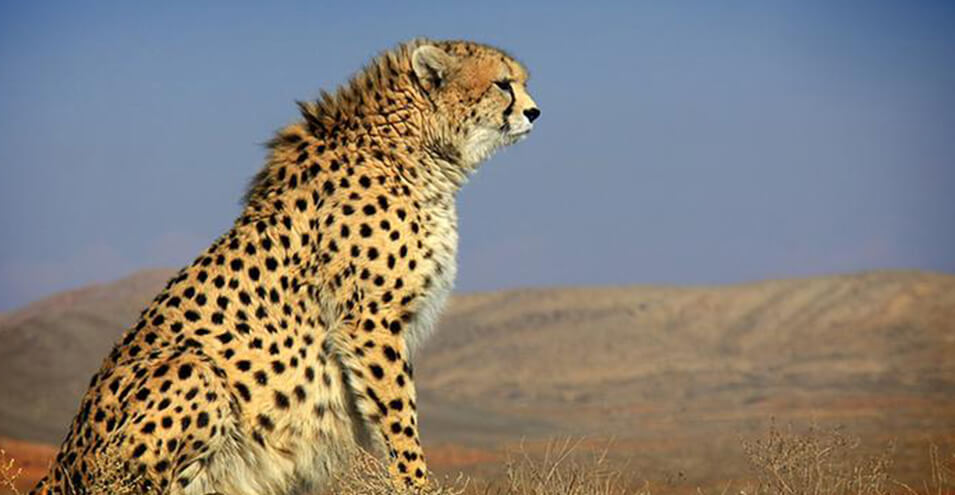
The signatories of the letter specifically mentioned the imprisonment of several Iranian wildlife experts and recalled their services: "Among those arrested are capable and well-known wildlife experts in the country, such as Taher Ghadirian, Amir Hossein Khaleghi, and Hooman Jokar, who have worked for years to serve the homeland and protect the nature of this land and landscape. They have played an influential and decisive role in their survival in many conservation projects for endangered species in cooperation with the provincial environmental departments and universities. They have also served the nature of this land for many years, as a model of sincere efforts to develop the homeland, and have created motivation and hope in the hearts of the young generation and environmental students of Iran."
They then pointed out the impact of the arrest of environmental activists on Iranian society and the young generation, calling for a change in this situation and the release of the detainees as soon as possible: "Continuing to arrest these people will only lead to further despair among young people, graduates, experts, and environmental organizations that play a decisive role in the preservation and development of this land. Therefore, we request that you bring this open case to a happy conclusion by delving into the legal details of the issue."
Warning from human rights organizations
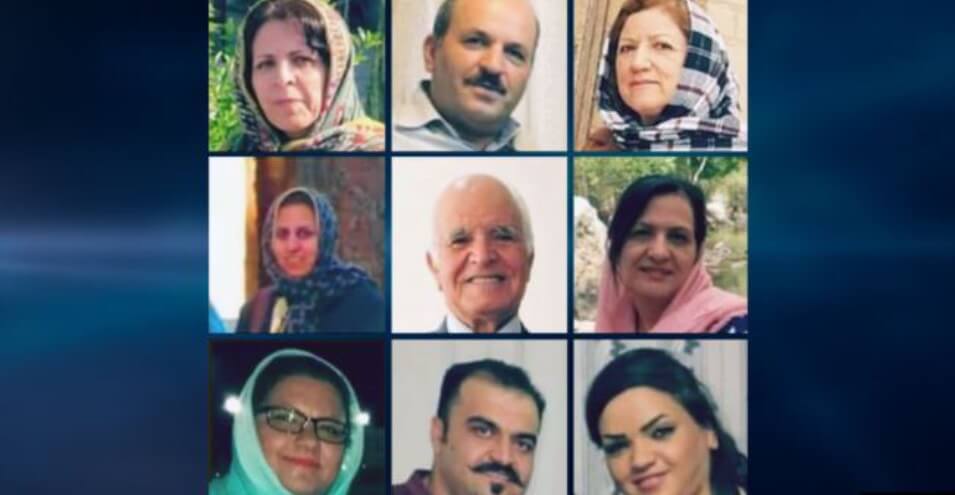
Global human rights organizations have also repeatedly called for the release of imprisoned environmental activists. According to Amnesty International, eight environmental activists, Sam Rajabi, Amir Hossein Khaleghi, Hooman Jokar, Sepideh Kashani, Niloufar Bayani, Taher Ghadirian, Abdolreza Kohpayeh, and Morad Tahbaz, have been in prison for more than a year and could face long prison sentences or even the death penalty on charges such as “spying for a foreigner” and “corruption on earth.”
In a statement issued on the occasion of World Environment Day (June 5), Amnesty International points out that their charges are actually related to their environmental activities, including research into Iran's endangered wildlife.
Amnesty International's report on the case states that the trial of these individuals was clearly unfair and that they reported torture and ill-treatment during detention. The human rights organization has considered the detained environmental activists prisoners of conscience and called for their immediate release.
According to Amnesty International, citing media reports, at least 63 environmental activists were arrested in Iran last year. More than 10 people have been arrested in this regard this year.
Source: DW