Human rights organizations request: A day should be registered in the calendar named after "Prisoned Mothers"
A group of human rights organizations have issued a statement calling for July 16 to be marked on the calendar as "Prisoner Mothers' Day."
The statement said that naming a day after "Mothers of Prisoners" is "an opportunity to remember the conditions of those who are sometimes forgotten for political reasons and sometimes due to an unprincipled view of the issue of crime and prison."
The statement reads: "Registering a day under this name will at least allow us to be the voice once a year for those who, while enduring security pressures and serving their sentences in prison, endure double suffering and torment because of their motherhood and the role that society has imposed on them."
The Human Rights Defenders Association, the Center for Human Rights Supporters, the Campaign to Support Imprisoned Mothers, the Iranian Women's Movement Museum, the Non-Profit Institute for Children of Prisoners, the Narges Mohammadi Freedom Campaign, the Nobel Women's Association, and the Campaign for Human Rights in Iran are among the signatories to this statement.
The signatories have asked the public and civil society activists to join them in this movement and help them register this day on their calendars.
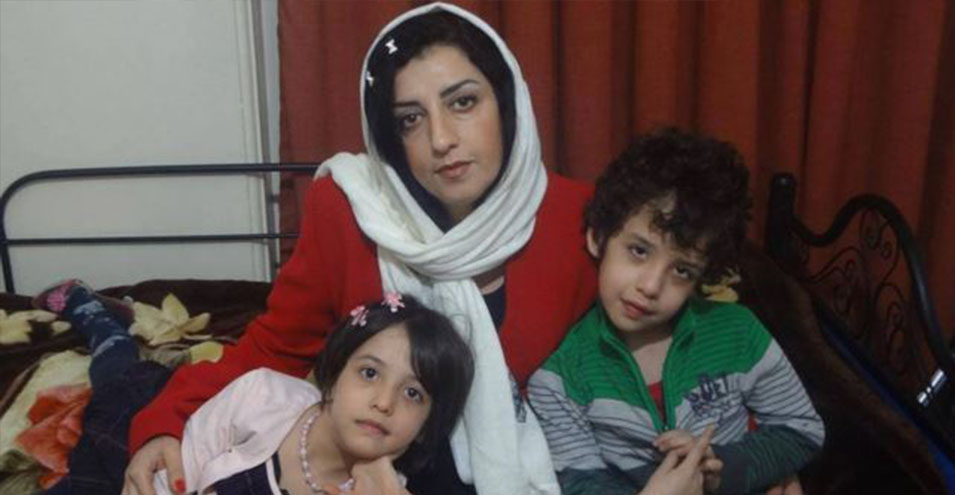
The statement cited the reason for choosing July 16 as the Day of Imprisoned Mothers as the emigration of two young children of human rights activist Narges Mohammadi to France two months after her arrest. On July 16, 2015, Ms. Mohammadi's two children said goodbye to her by phone and left Iran. For months after that, Ms. Mohammadi was not even allowed to call her children. After that, through letters and a hunger strike, the authorities allowed her to speak to her children, who live with their father in Paris, France, once a week.
Currently, there are a number of mothers with young or teenage children in the women's ward of Evin Prison, such as Nazanin Zaghari, Narges Mohammadi, Maryam Akbari Monfared, Azita Rafizadeh, Elahe Farahani, Fatemeh Mothanni, and Sotoudeh Fazel, mothers who are only allowed to visit their children once a week.
The statement also noted that unanimity on a specific day will draw the government's attention to the basic rights and needs of imprisoned mothers, including political and ideological ones, and public crimes, and reduce pressure and lack of respect for mothers' rights. Another part of the statement states that naming a day as Prisoner Mothers' Day provides "a small opportunity" "to remember the mothers who have been and are in prison with their children from the Pahlavi era to the 1960s and beyond."
The statement mentions prisoners such as Nasrin Sotoudeh, who went on a long hunger strike to protest her daughter's ban on leaving the country and not being allowed to visit, as well as mothers imprisoned during the Green Movement who wrote many heartfelt letters to their children from inside prison, informing others about the unfavorable conditions and lack of respect for their basic rights in prison.
At the end of the statement, it is stated that by naming this day on one's personal calendar, we can remember imprisoned mothers at least once a year and hope to recognize the dual responsibility of mothers of political and ideological prisoners, reduce the stigmatization of imprisoned mothers by society and the judicial system, and preserve the rights of imprisoned mothers to communicate with their children.
Source: Voice of America