Mohammad Ali Keshavarz's life office closed
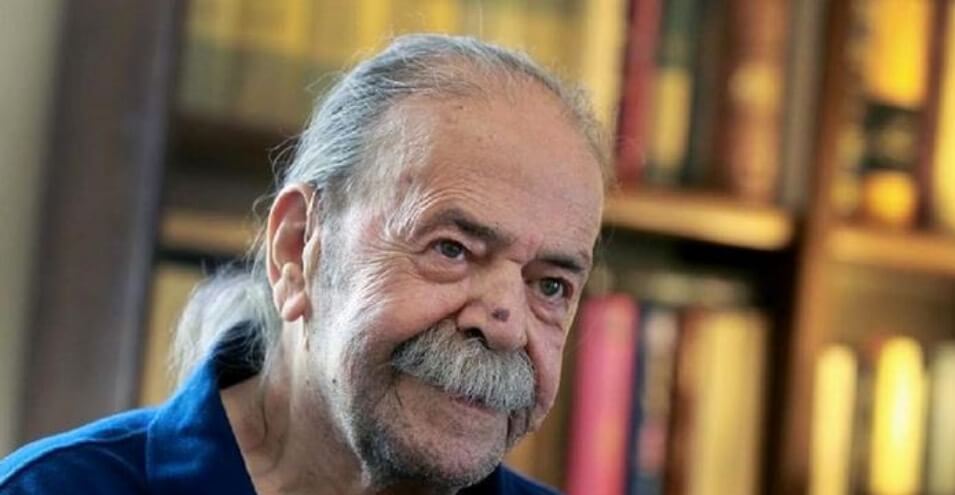
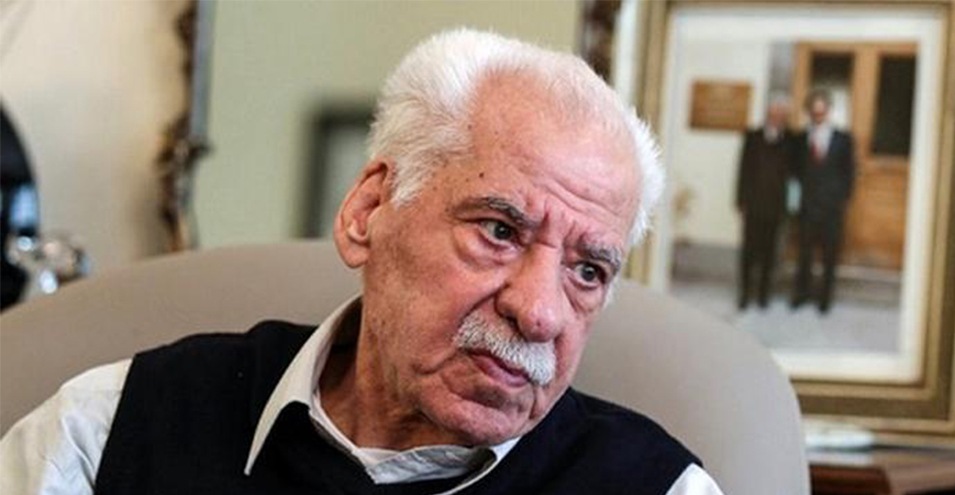
The actor of the series Hezardastan and Daeijan Napoleon and one of the legends of Iranian cinema history has died at the age of 90. He had a 60-year career on stage and had originally studied medicine. The cause of Keshavarz's death was reported to be kidney complications.
Mohammad Ali Keshavarz was born in Farvardin 1980 in Isfahan and died in Tehran in June 2020. After dropping out of the medical program at the University of Tehran, he studied at the Conservatory of Acting and the Faculty of Dramatic Arts, and in 1985, in his first experience in theater, he acted in the play "Suicide" directed by Ali Nasirian.
Keshavarz played roles in various genres, and art critics have called his acting realistic, not exaggerated, and internal. He collaborated with stylistic and pioneering filmmakers such as Farrokh Ghaffari (Night of the Ghozi), Ebrahim Gostan (Brick and Mirror), Bahram Beizaei (Ragbar), Naser Taqvaei (Sadegh Korde), Ali Hatami (Delshodegan), Dariush Mehrjuei (Mr. Halo), Mohsen Makhmalbaf (Naser al-Din Shah, Cinema Actor), and Abbas Kiarostami (Under the Olive Tree).
Older television viewers knew him as "Shaban Estkhoni" in the series Hezardastan and "Daei Jan Sarhang" in the series Daei Jan Napoleon, and the newer generation knew him as "Asdollah Khan" in the series "Patriarch".
Keshavarz, along with Ezatollah Entezami, Jamshid Mashayekhi, Ali Nasirian, and Davud Rashidi, is considered one of the five legendary men of Iranian cinema; five people who have been on the theater stage since the 1960s and later came to television and cinema.
During his decades of film career, Mohammad Ali Keshavarz was nominated for the Crystal Simorgh only once, for his role in the film "Mother," which went to Khosrow Shakibaei for his role in the film "Hamun."
In this regard, he told ISNA news agency: "The biggest prize I received was from a young boy who had a grape wheel and when he saw me, he came up to me and said, 'I have nothing to give you except to tell you my opinion.' He gave me a bunch of grapes as a gift. This was the biggest prize I received in my life. In fact, the best judges are the people who give extremely good reviews on the streets."
In the same interview, Keshavarz mentioned that when he went to the dissection room after being accepted into the medical field, he realized that medicine did not suit his spirit and dropped out.
Keshavarz was a well-read and educated artist, and as long as his health allowed, he would go to music concerts and painting exhibitions. His only daughter lives in Belgium and is a university professor of painting.
The cause of death of Mohammad Ali Keshavarz was announced as kidney failure and lung infection. He had been hospitalized in Tehran's Atieh Hospital since early June.
Mohammad Tabatabaei, CEO of the Veteran Artists Institute, said: "Given the coronavirus issues, we really don't know what to do for the Shiite ceremony. We are currently planning and will inform the public after speaking with his daughter and relatives."
Source: DW