Javed Rahman's Second Report: Continuing Executions of Juveniles and Violations of Human Rights in Iran
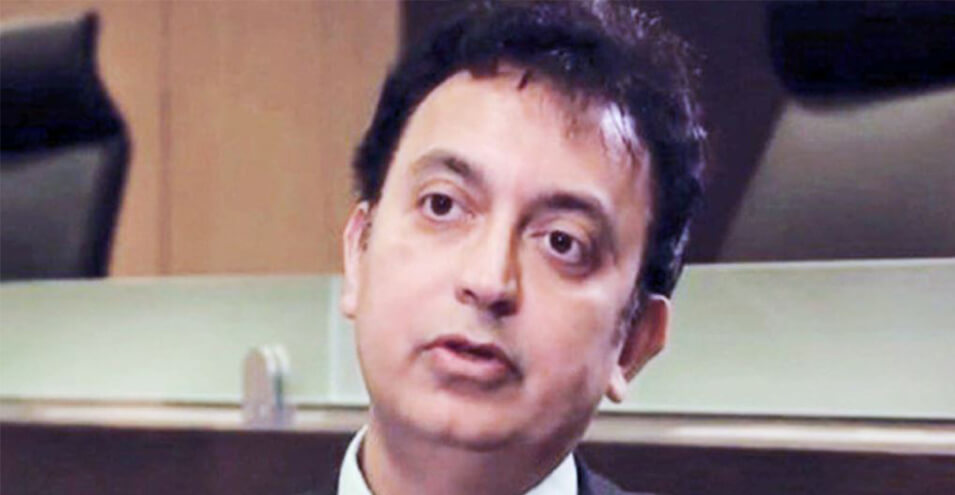
Javed Rehman, the UN Special Rapporteur on Iran, presented his second report on the human rights situation in Iran to the UN Human Rights Council.
The report, prepared on January 30, was presented on Wednesday, March 28, at the 40th session of the UN Human Rights Council.
In the summary of this report, Javed Rahman emphasizes that the continuation of protests in the Islamic Republic of Iran is, among other things, an indication of the people's long-standing dissatisfaction with the human rights situation in the country.
According to the report, growing economic challenges following the return of US sanctions have also worsened the state of dissatisfaction.
Rahman Javid stated: "The government has taken steps to address economic challenges, but the arrests of lawyers, human rights defenders, and labor activists demonstrate the government's harsh approach to these protests."
In the second part of his report, the UN Special Rapporteur on Iran expressed concern about the continued execution of criminals under the age of 18, and considered these executions a violation of the Islamic Republic of Iran's international legal obligations.
Rahman Javed, noting that it is legally possible to execute 9-year-old girls and 15-year-old boys, wrote: "At least 33 criminals under the age of 18 have been executed since 2013."
The UN Special Rapporteur on Iran then called on the parliament and the judiciary to stop the execution of juveniles under the age of 18.
In his report, Rahman Javid noted the reform of the death penalty law for traffickers in Iran, which is reducing the number of executions related to such crimes.
The report also states that at least 207 people were executed in Iran from January to October 2018. This is compared to at least 437 people executed in Iran during the same period in 2017.
In his report, Javed Rahman expressed concern about the widespread use of the death penalty in the Islamic Republic's judicial system.
In this report, the UN Special Rapporteur on Iran also referred to the arrests of religious and ethnic minorities, including Gonabadi Dervishes, Baha'is, and Christian converts, and arrests in the provinces of Azerbaijan, Kurdistan, and Sistan and Baluchestan.
The report also mentions the arrest of dual citizens.
The UN Special Rapporteur on Iran then addressed the protests of social groups in Iran, including those of workers and teachers.
The report states that following the protests of Haft Tappeh workers, 18 of them were arrested, and despite the release of a number of these workers, some of them are still imprisoned.
Rahman Javid also mentioned the arrest of workers at the Ahvaz National Steel Plant.
Source: Radio Farda