Rafael Grossi: "Technical knowledge and uranium reserves still remain in Iran"
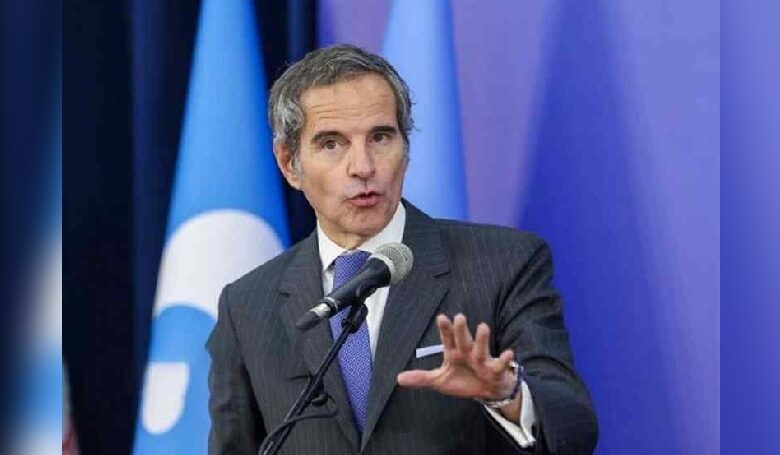
Grossi warned that if diplomacy collapses, there is a risk of a return to forceful engagement with Tehran, as technical know-how and uranium reserves still remain in Iran.
In the latest official statements, Rafael Grossi, Director General of the International Atomic Energy Agency, reported serious damage to Iran's nuclear facilities, while emphasizing that the country's technical capabilities have not yet been completely destroyed. He warned that if the negotiations process stalls, there is a possibility of a return to a military solution.
Grossi said: "The main nuclear facilities in Isfahan, Natanz and Fordow suffered severe damage, but although Donald Trump speaks of the 'total destruction' of Iran's nuclear program, Iran's technical know-how has not been destroyed. Iran can also rebuild its centrifuges, which are used to enrich uranium."
He added that Iran still has about 400 kilograms of uranium enriched to 60 percent, a figure slightly below the level required for a nuclear weapon, and if enrichment processes proceed, this stockpile would be capable of producing the material needed for approximately 10 nuclear bombs.
However, he stressed: "We have no evidence that Tehran intends to build a nuclear bomb. Inspections must resume to ensure this."
Grossi also said: "We believe that most of this highly enriched uranium is still in Isfahan, Natanz and Fordow." The Agency cited the reason for this confidence as visits to these facilities before the attacks and satellite observations after them.
The IAEA Director General said in another part of his remarks that Iran could have withdrawn from the Nuclear Non-Proliferation Treaty (NPT) and severed its international relations after the 12-day war, but it did not. This choice, he said, is commendable and shows Tehran's willingness to maintain a minimum level of diplomatic engagement. However, he warned that if diplomacy fails, it will be wary of resorting to force again.
These statements come as Ali Larijani, the head of Iran's Supreme National Security Council, announced that Tehran's cooperation with the IAEA, within the framework of the Cairo agreement, has been "completely halted." On the other hand, Abbas Araqchi, Iran's deputy foreign minister, stated that Tehran will not return to negotiations unless the United States changes its excessive policy. He emphasized: "Until the Americans abandon their excessive and maximalist policy, we will not return to the negotiating table."
Araqchi also responded to Grossi's statements, saying, "I don't know if he said this out of concern or as a threat." He added that those who make threats should know that repeating a failed experiment will result in nothing but another failure.
Ali Khamenei also responded to Trump's claim that Iran's nuclear capabilities would be destroyed, saying: "There's no problem, don't worry about it. But what are you doing, if a country has a nuclear industry, to raise questions about what should and shouldn't be done about it?"
Some Western officials and analysts, reviewing the US and Israeli attacks on Iran's nuclear facilities, have also stressed that the damage inflicted was serious, but not enough to completely destroy Iran's nuclear program. For example, US intelligence reports suggest that the attacks only caused a temporary setback for a few months, but that the infrastructure and technical know-how can still be rebuilt.
In addition, the issue that raises doubts is the continued restriction on access to Iranian facilities by IAEA inspectors. Iran has said that there are security reasons for imposing this restriction, and Grossi also considered it understandable, but warned that without effective monitoring and continued inspections, international trust and the ability to contain nuclear risk will be undermined.
Another issue that should not be overlooked is Ali Khamenei's fatwa prohibiting the production of nuclear weapons; this fatwa, issued decades ago, is one of the pillars of Iran's official policy on nuclear matters.
Ultimately, what is clear is that the current situation for Tehran, Washington, and the international community has become a complex and risky one, where any breakdown in engagement or hostile advances could lead to a new crisis in the region.