Reuters: Iran has adopted a Syria-like approach in supporting Yemen's Houthis
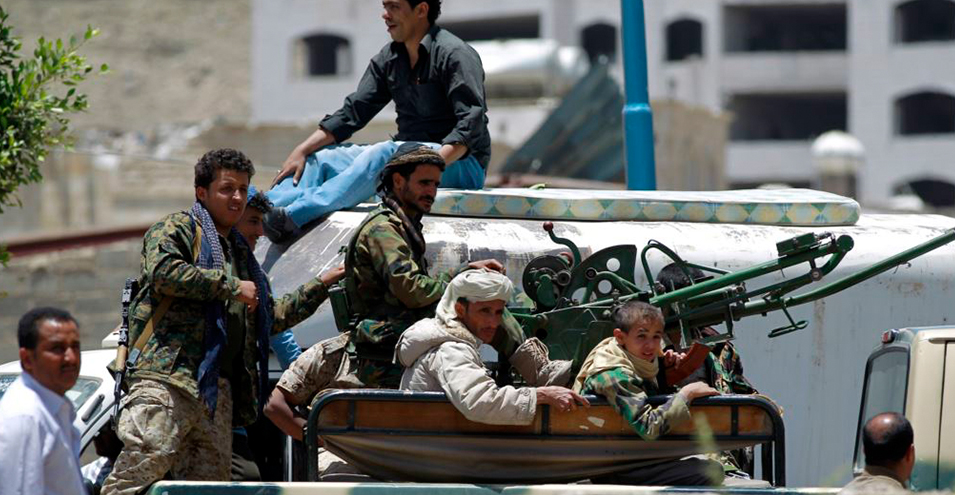
On Tuesday, April 2, Reuters reported, citing Western and regional sources, that Iran has increased its support for Yemen's Houthi rebels in the country's civil war, sending advanced weapons and military advisers.
Reuters says that these sources have emphasized that this Iranian action could disrupt the balance of power in the region.
These sources, who did not want to be named, have stated that in recent months, Iran has taken on a greater role in the Yemeni civil war in terms of sending weapons and military training, which is similar to the approach that Iran is taking in supporting Hezbollah in the Syrian civil war.
Reuters reports that a senior Iranian official said that Qassem Soleimani, commander of the IRGC's Quds Force, held a meeting with IRGC commanders last month to discuss ways to "strengthen" the Shiite Houthi militia.
The senior Iranian official, who did not want to be named, said: "It was agreed in this meeting that training, weapons and financial assistance (from the Houthis) will be increased."
Reuters added: "A real proxy war is currently underway in Dreyman, and victory in this battle will determine the new balance of power in the Middle East."
Since the beginning of the conflict in Yemen, Iran has rejected accusations by Saudi Arabia and other Arab countries in the region of providing financial and military support to the Houthis, and considers Riyadh to be responsible for worsening the situation in Yemen.
Iran, with the help of the Lebanese Hezbollah militia, supports the Bashar al-Assad government in the Syrian civil war, while Saudi Arabia supports the opposition to the Bashar al-Assad government.
Reuters says that Iran's increased support for the Shiite Houthi militias in Yemen following the Trump administration's inauguration in the United States could be a sign of the increasing influence of hardliners in Tehran.
Yemen has been witnessing a civil war since the summer of 2014. Shiite Houthi militias, in collaboration with supporters of former Yemeni President Ali Abdullah Saleh, took control of the country's capital, Sanaa.
With the capture of Sanaa by Houthi militias, Yemeni President Abd Rabbuh Mansour Hadi was forced to leave the capital and his government is currently based in Aden.
In March 2015, a coalition of Arab countries led by Saudi Arabia entered the war in Yemen on behalf of Abd Rabbuh Mansour Hadi to prevent the advance of Shiite Houthi militias.
According to Reuters, General Ahmed Al-Asiri, spokesman for the Saudi-led coalition, has also emphasized the existence of documents and evidence of weapons being smuggled into Yemen through various routes.
This comes while the United Nations announced in a report last week that the civil war in Yemen has caused 60 percent of Yemenis, or about 16 million people, to be in a "crisis and emergency" situation due to their need for food.
Source: Radio Farda