Bloody Earthquake of Repression: "Zahra Arjomandi", Christian Citizen, Victim of Cruelty in Qeshm
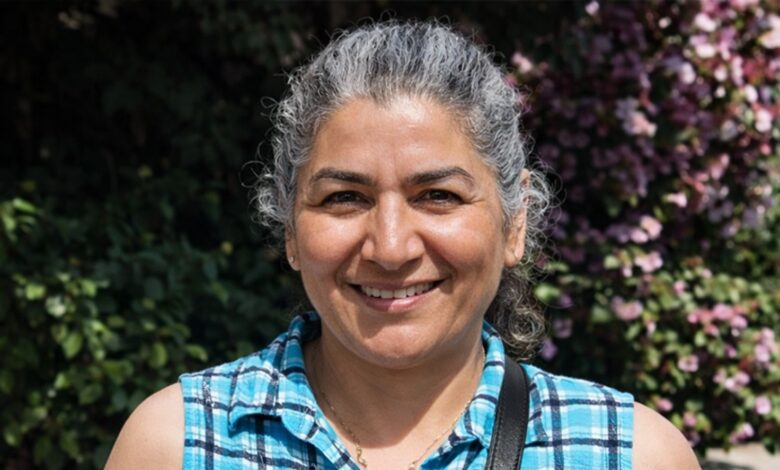
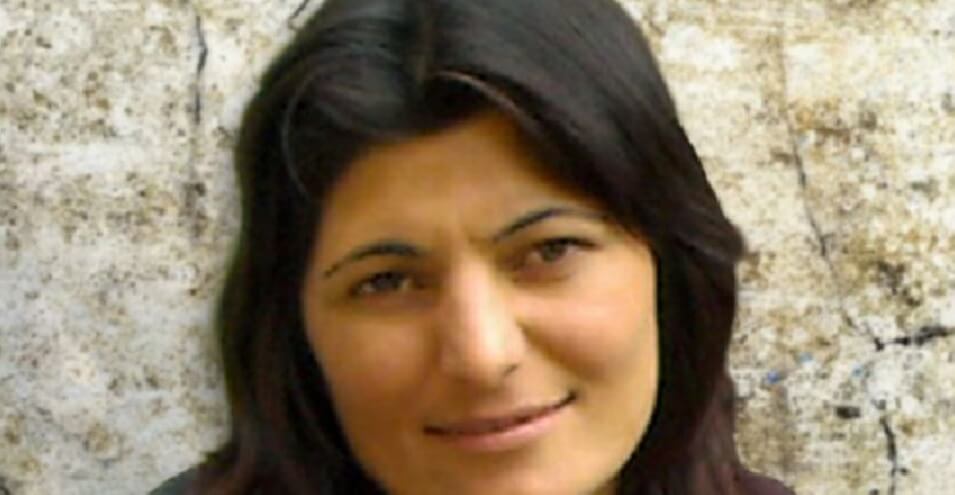
The death of 51-year-old Christian citizen Zahra Arjomandi is a symbol of the widespread tragedies of the suppression of Iranian protests and the unaccountability of the blood of protesters.
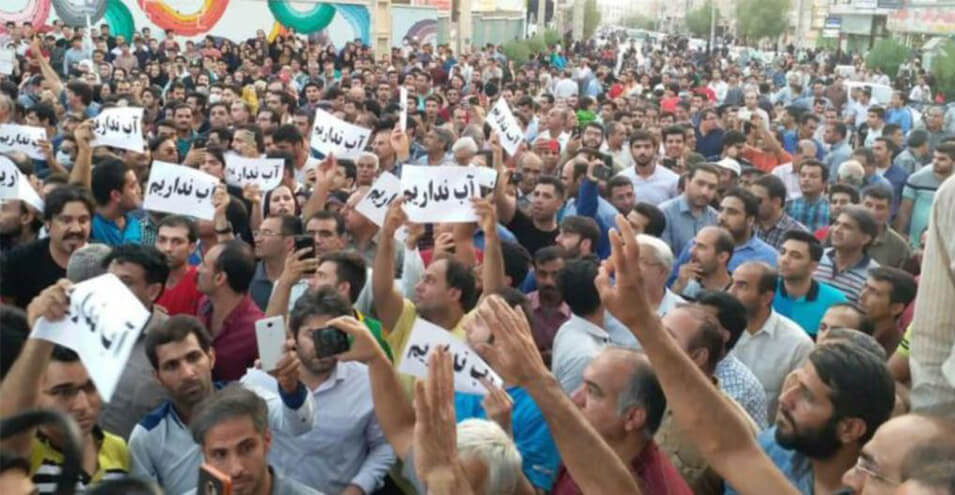
On the evening of January 8, 2026, Zahra Arjomandi, a 51-year-old Christian citizen from Qeshm Island, lost her life during the violent suppression of popular protests in Iran. The incident is part of a widespread wave of violence against protestors that has continued in various parts of the country since late 2025, and, according to human rights organizations, has been accompanied by the excessive use of force, firearms, and repressive measures.
According to independent sources, Zahra Arjomandi was briefly separated from her child while in the midst of the protesting crowd and was shot during direct fire from security forces. At the same time, telephone and internet communications in the area were completely cut off, preventing independent and timely information about the events.
After the communication was restored, an anonymous call was made to her son, who informed him that Zahra Arjomandi had been injured. When the son arrived at the scene, he found his mother seriously injured and was immediately taken to the hospital, but due to the severity of her injuries, doctors were unable to save her life. Zahra had two children and died in her child's arms.
After Zahra's death, security forces detained her body for six days and then buried her under the strictest security measures in the city of Sadeh in northern Fars province, while a ban was issued on holding a memorial ceremony for her and any public information.
The story of Zahra Arjomandi's death is just one of thousands of cases of repression and killing of protesters in Iran during this period. Reports from international organizations show that during the protests that began on December 28, 2025 (January 7, 1404), Iranian security forces, including the Islamic Revolutionary Guard Corps and the police, repeatedly unlawfully attacked protesters using bullets, shotguns, metal pellets, tear gas, and batons, resulting in the killing of at least dozens of protesters and the arrest of hundreds of people, including children and civil activists.
This wave of protests, which initially began with economic and social demands and turned into a widespread uprising against repression, corruption, and lack of freedoms, was met with a violent and “reckless” response from Iranian authorities. Independent human rights organizations have reported that this repression continues to be aimed at intimidating society and preventing free speech, and that those accused of protesting often face serious charges, unfair trials, and even the risk of the death penalty.
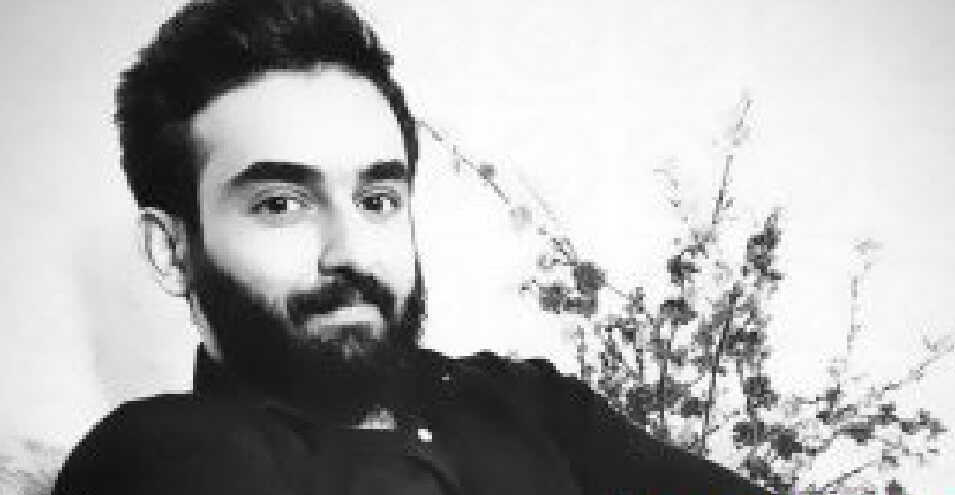
Meanwhile, the deaths of people like Zahra Arjomandi or other victims of protests reported from various parts of Iran, including the names "Mohsen Rashidi", "Ehsan Afsharimanesh" and "Ajmin Masihi", show that addressing human rights, freedom of belief and peaceful protest in Iran continues to be associated with severe and catastrophic risks.
The reports also note that many of the victims' families are under pressure and security threats, and are trying to prevent them from remembering and recording the facts, while the international community and human rights organizations are calling for the Iranian government to be held accountable for these human rights violations.