UN: Drought-induced famine will intensify as Afghanistan's economy collapses
International aid agencies say that due to a severe drought this year, many Afghans have had serious problems obtaining food, but now, following the fall of the government to the Taliban and the weakening of the country's economy, millions of people will be at risk of famine.
According to Reuters, Mary Ellen McGrory, head of the World Food Program in Afghanistan, said on Thursday, September 1: "In the current situation, there is no national support network, and the hunger crisis has intensified due to the deterioration of the country's economic situation after the Taliban seized power."
The World Food Programme in Afghanistan has released videos showing severe food shortages in various parts of the country. In one of the videos, a long line of people can be seen outside the organisation's headquarters in the city of Mazar-e-Sharif, waiting to receive a sack of flour.
According to the organization, this summer, due to the second severe drought in the past four years, a large part of agricultural crops have been destroyed and food prices have increased sharply.
The World Food Program (WFP) is warning that millions of people in Afghanistan could soon face famine and starvation due to drought, military conflict and the coronavirus crisis. The agency has appealed for $200 million in emergency aid and says its food reserves will run out in October, ahead of the winter season.
"The situation we are witnessing today is truly horrific and has the potential to become a humanitarian catastrophe," said Mary Ellen McGrory.
Another UN agency official who has worked in Afghanistan said: "The Taliban depend on the UN to meet the needs of the people. They know very well that they cannot provide food for the people."
"Government employees have not been paid their salaries, the Afghan national currency has collapsed, and since the Taliban took power, banks have only allowed people to withdraw $200 from their savings each week," Ms. McGroryty added.
According to him, the World Food Program continues its activities throughout Afghanistan and has been able to distribute food aid to 200,000 people over the past two weeks by importing food from Pakistan and Uzbekistan. He expressed hope that the resumption of flights at Kabul airport will accelerate the transfer of humanitarian aid to Afghanistan.
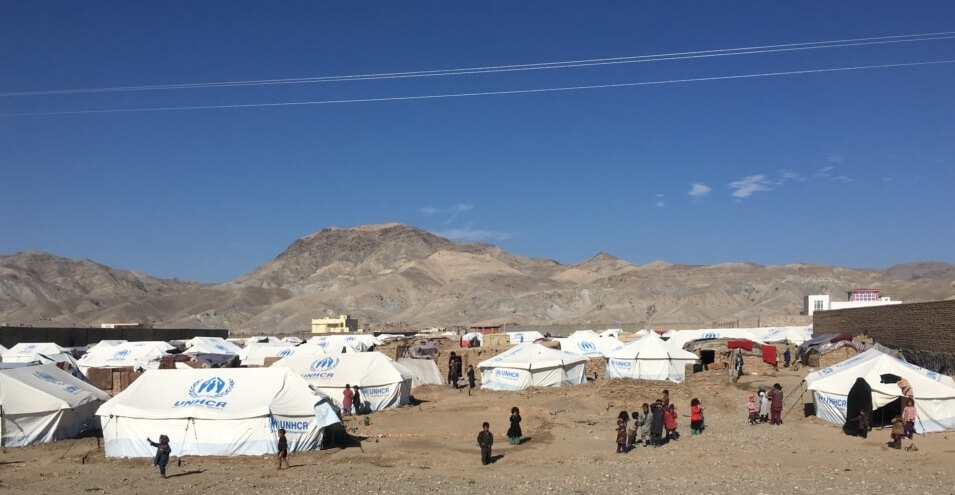
According to UN statistics, this year alone, more than 550,000 people have been displaced due to drought and war, adding to the previous population of two million refugees.
About half of children under five suffer from malnutrition, and about 14 million people, one-third of Afghanistan's population, face some degree of food shortage or insecurity.
Surveys by the World Food Program show that over the past month, food purchases and consumption have decreased in 15 districts, and the districts of Ghazni, Khost, and Paktia in the east of the country have been hit hardest by food shortages and high prices.
The World Food Program says that although a flood of migration from Afghanistan has not yet occurred, food shortages, increasing insecurity, and the country's deteriorating economic situation may cause a large-scale migration.
Officials from the International Committee of the Red Cross in Asia have also warned of the displacement of more people and increased internal migration in Afghanistan.
According to them, if urgent measures are not taken to solve the people's problems, especially nutrition, health, and security, the situation in many regions of Afghanistan will turn into a serious humanitarian crisis.
Source: Radio Farda