The Shadow of War Over Khuzestan; Airstrikes on Vital Centers Amidst Ambiguity, Narratives, and Global Concerns
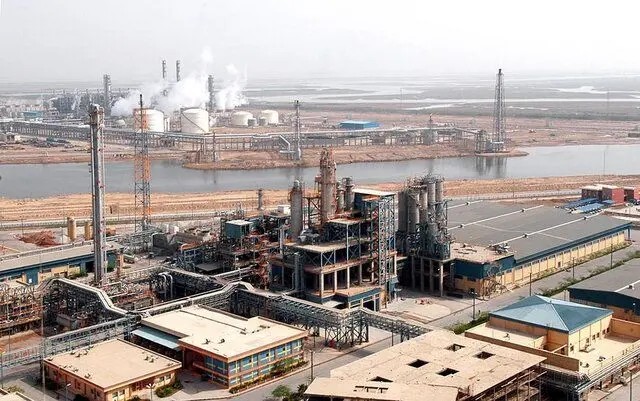
The shadow of war over Khuzestan is growing heavier as attacks on vital infrastructure are accompanied by contradictory narratives and concerns about the human and environmental consequences have increased.
On the morning of Saturday, April 4, Khuzestan Province witnessed a series of explosions and airstrikes on sensitive industrial and border areas; an event that, despite the publication of initial details, is still shrouded in ambiguity and contradictory narratives and has attracted the attention of domestic and foreign observers.
According to reports from domestic sources, the first explosions occurred around 10:45 a.m. in the east and west of Ahvaz. Minutes later, the special petrochemical zone in Mahshahr was also targeted by several powerful explosions. Although it was announced in the early hours that no casualties had been reported, as time passed, statistics on the number of injured and possible casualties emerged, indicating the complexity of the situation on the ground.
In this regard, Valiullah Hayati, deputy head of security and law enforcement for the Khuzestan governorate, announced: "In this attack, the Fajr 1 and 2, Rijal, and Amir Kabir petrochemical companies were hit." He also warned that the possibility of human casualties, including martyrdom and injury, in this attack is very high.
Reports indicate that the scope of these attacks is not limited to Mahshahr, and other infrastructures, including the Shalamcheh border terminal in Khorramshahr, have also been targeted. In addition, some sources have reported damage to the Bandar Imam and Abu Ali petrochemical plants, an issue that, if confirmed, could have widespread economic and environmental consequences.
Following these events, the authorities announced the complete evacuation of the special petrochemical zone. The official statement stated: “The forces of all industrial units operating in the zone have been evacuated,” while emphasizing that “the possible pollutants did not pose a danger to neighboring cities.” However, the experience of similar incidents in the past has raised concerns about the possible consequences for the health of the residents of the zone.
What makes this event even more sensitive is the way it is being reported internationally. While official Iranian media have attributed the attacks to “American and Zionist enemies,” as of the time of writing, independent international sources and monitoring bodies have not issued a response or independent confirmation of the origin of the attacks. In such circumstances, the lack of free access to information and media restrictions make it more difficult to accurately assess the reality.
Regional security experts believe that the targeting of energy and industrial infrastructure, if confirmed, could signal a new phase of tensions, one in which the economy and livelihoods of people are directly affected. On the other hand, such attacks, regardless of the perpetrator, in densely populated areas always carry the risk of humanitarian and environmental crises.
Ultimately, what happened in Khuzestan is not just a security incident; it is part of a larger picture of instability, regional rivalries, and poor information transparency. Until independent data is available and verifiable, such events will remain on the border between reality and narrative, and this is one of the most important challenges for public opinion and the media today.