The heavy shadow of the MEK over the Iranian protests: a real threat or a dangerous foreign policy game?
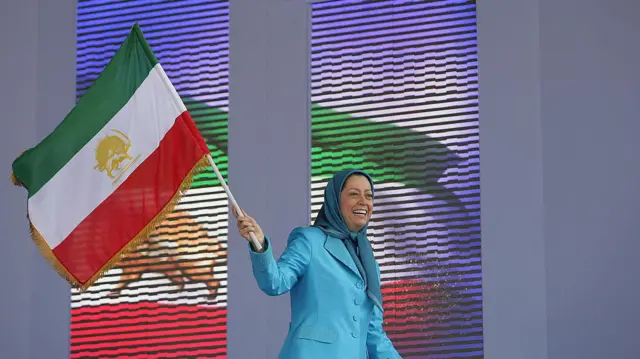
Analysts warned of the heavy shadow of the MEK and old dangers at the heart of Iran's new protests, as people demanded the return of Pahlavi.
In the midst of nationwide protests in Iran, in addition to the people's demands for livelihood and freedom, discussions about the role and influence of the People's Mojahedin-e Khalq (MEK) have once again become a serious and alarming issue; a group whose history is marked by bloody ups and downs and moral questions, and is now being considered by some political figures and analysts as a hidden threat to Iran's future.
The People's Mojahedin Organization (MEK) has played a highly controversial role in Iran's political history over the past decades. Initially active against the Pahlavi regime, the group became embroiled in a bloody conflict with the Islamic Republic after the 1979 revolution, and even fought alongside Saddam Hussein's regime against Iran in the 1980s, an act that intensified public hostility toward it and led to a sharp decline in the group's legitimacy among Iranians.
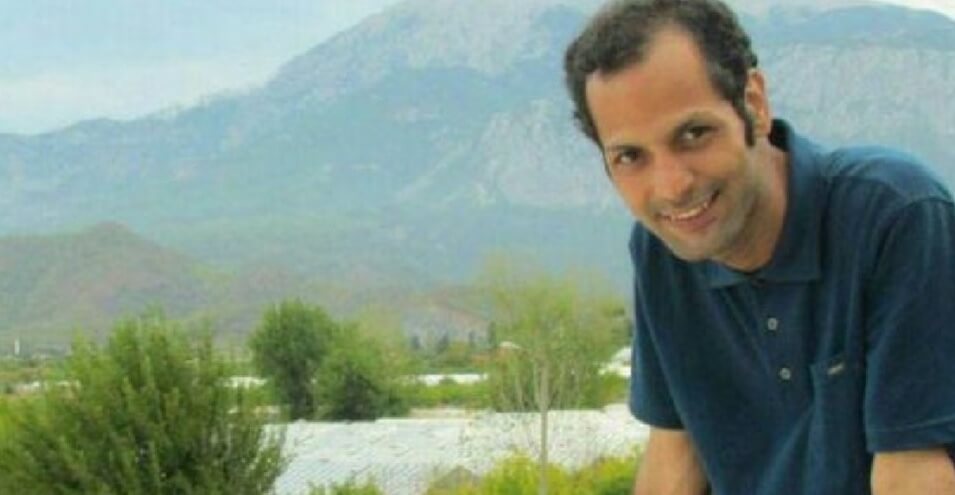
One of the darkest spots in the organization's history is the armed attacks and bloody explosions that have been attributed to it in recent years, including the assassination of Major General Ali Sayyad Shirazi in 1999, for which responsibility has been attributed to the MEK.
This record has led many analysts, following the warning by Iranian-American Representative Yasmine Ansari, to have deep doubts about the possible role of this organization in Iran's political future, and to consider it dangerous to national unity and interests, even if they agree with the people's protests and demands.
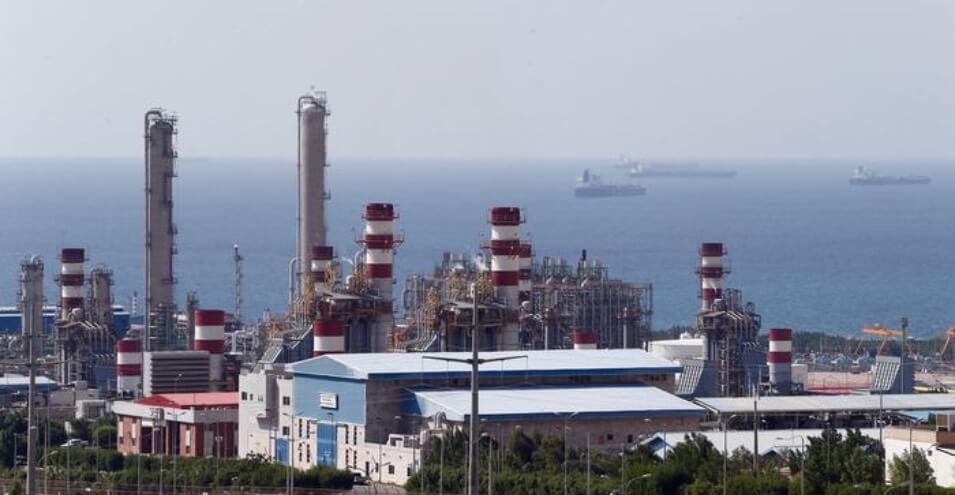
Meanwhile, the Iranian government and media outlets close to it have repeatedly accused the MEK of planning and acting against the people and the country's security, including allegations of attacks on civilian infrastructure and links to foreign groups seeking to turn the protests into violence.
Two members affiliated with this group were recently executed in Iran on charges of "operations against urban infrastructure," although these types of charges have been widely criticized by human rights organizations.
These historical records and concerns have led many Iranians, especially the youth, to call for the return of another figure of leadership for the country, namely Prince Reza Pahlavi, the last crown prince of the dissolved Iranian monarchy, who has been presented among sections of society as a figure with a history of compassion for Iran and without a historical burden of violence.
From the perspective of its supporters, this desire is not a mere return to the past, but rather a search for a model for peaceful and nationalist leadership that can make it possible to overcome the current crisis while maintaining social cohesion and security.
Finally, although the exact and real role of the MEK in the current protests cannot be independently measured, the bitter historical experience and history of cooperation with Iran's enemies continue to cause a significant portion of society to strongly warn against the presence and influence of this group in the country's future developments. This warning, along with the people's demands for regime change, seeks to prevent the reproduction of patterns that lead to violence and instability.