"Three billion people" do not have access to soap and water at home
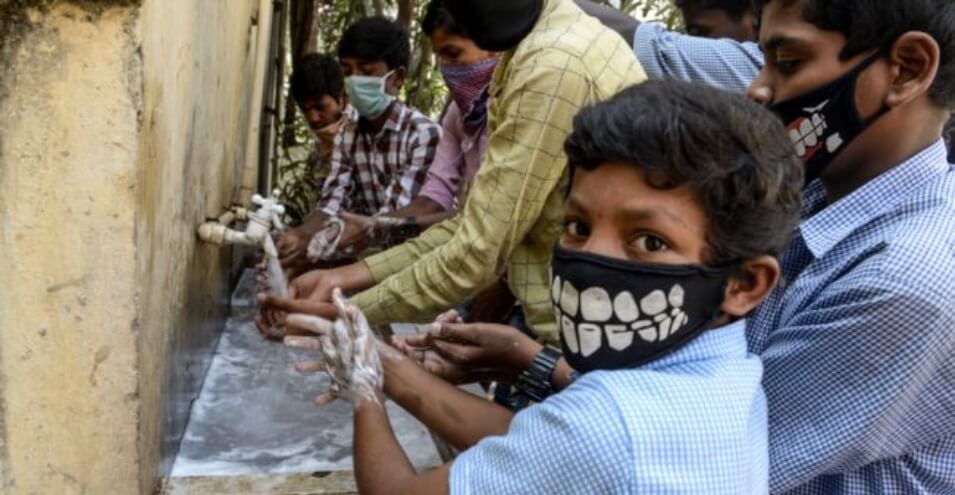
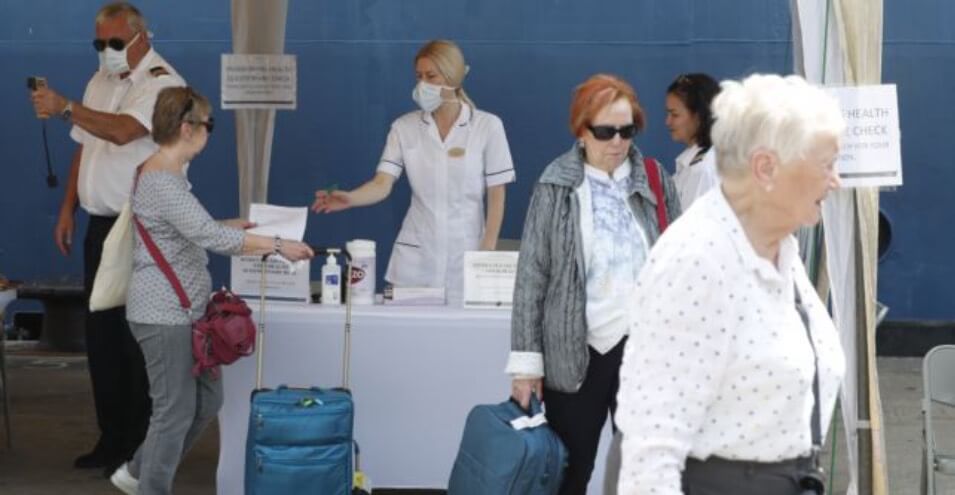
While the global COVID-19 pandemic has revealed the significant role of handwashing with soap and water in preventing the transmission of disease, the World Health Organization has reminded us that 40% of the world's people do not have access to soap and water at home.
In Iran, statistics also show that many residents of rural areas are still not connected to the sanitary water network.
The Director-General of the World Health Organization said on May 5 that 3 billion people still do not have access to clean water and soap in their homes. Also, less than two-thirds of health centers and facilities are equipped with toilets.
On the eve of World Hand Hygiene Day, Tedros Adhanom Ghebreyesus said that investment in soap production, access to water and alcohol-based solutions must be significantly increased, especially in the current situation and in the midst of the crisis caused by the outbreak of the new coronavirus.
Of course, the lack of access to water and soap is nothing new. In late March, as the coronavirus was spreading around the world, the United Nations Children's Fund (UNICEF) said that only three in five people on Earth had access to basic washing facilities.
UNICEF, emphasizing the importance of handwashing to combat the virus, says that about half of the world's schools do not have basic handwashing facilities.
Official Iranian statistics indicate that most cities have access to a water supply network, but official statistics from villages present a completely different situation.
In 2018, the Iranian Water and Wastewater Company announced that 60,000 villages with a total population of 21 million people had a village code. The rural population of Iran in 2016 was about 20 million people.
Government officials in the Islamic Republic say that before 2015, about 900,000 people in the country's rural population had access to clean water. According to the Ministry of Energy of the Hassan Rouhani government, this figure had reached six million people by the end of 2019.
Radio Farda alone is unable to confirm or deny the official statistics provided in Iran. Government statistics indicate that two-thirds of the rural population and 50,000 villages in Iran still do not have access to clean water.
Soap and water are among the most important tools currently available to combat the deadly COVID-19 pandemic.
The coronavirus can remain alive and active outside the body for hours, and in some cases, days. Soaps, which contain salts and fatty acids, help wash away fats and thus clean, due to their emulsifying properties and molecular structure.
Most contaminants are made up of fatty and oily compounds, including the fats that surround some viruses.
When we touch a surface contaminated with the virus, the virus can enter the body through the hands and eventually through the mouth, nose, or eyes.
Source: Radio Farda