Three European countries are taking the initiative to reimpose sanctions on Iran
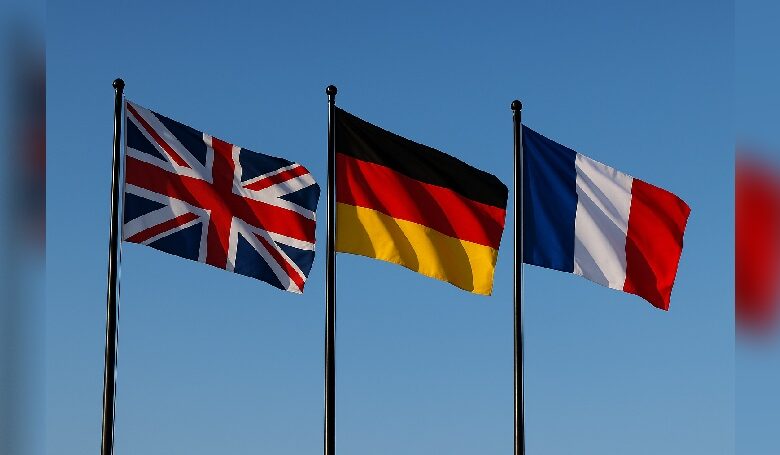
Three European countries began examining the diplomatic process and the possibility of reimposing UN sanctions against Iran.
Britain, France and Germany are reportedly preparing to reimpose UN sanctions on Iran. Diplomatic sources told Reuters that the countries plan to start the legal process of reimposing sanctions on Thursday, August 28, but hope that Iran will provide commitments on its nuclear program within the next 30 days to delay any practical steps.
Yesterday, Tuesday, August 26, negotiations were held in Geneva between representatives of Iran and three European countries to ensure that the legal opportunity to restore the sanctions lifted under the JCPOA is not lost. Experts emphasize that the deadline for implementing Security Council Resolution 2231 expires in late October, and this will affect the timing of diplomacy.
Diplomats said the recent meeting failed to produce tangible commitments from Iran, but talks could continue in the coming weeks. European sources said the "trigger mechanism" process for reimposing sanctions could be triggered if Iran violates the nuclear deal.
The West views Iran's nuclear progress as going beyond civilian needs, while Tehran denies any intention to build nuclear weapons. The process of reimposing sanctions will take 30 days, after which restrictions will be imposed on the financial, banking, oil, gas and defense sectors. "Real negotiations will begin when the letter from the European countries is sent to the UN Security Council," one diplomat told Reuters.
A German foreign ministry spokesman said that reimposing sanctions was still an option on the table, while British and French officials did not respond to Reuters requests for comment. Iran has warned of a tough response if sanctions are reimposed.
Meanwhile, Iranian media reported that UN nuclear inspectors had returned to the country after Iran suspended cooperation with the International Atomic Energy Agency. Rafael Grossi, the agency’s director general, said that the inspectors’ entry had been approved, but that no agreement had yet been reached on the scope of access to the facilities. Abbas Araghchi also said that Tehran had not yet reached a final agreement to fully resume cooperation with the agency.
The inspections include examining enriched uranium stocks that have not been monitored since the Israeli attacks. The three European countries have proposed delaying the activation of the trigger mechanism for six months if Iran agrees to inspections and begins talks with the United States. Iran has already enriched uranium to 60 percent, just shy of the level needed to make a nuclear weapon.
The International Atomic Energy Agency has stressed that despite concerns, there is no credible evidence of a coordinated effort to produce nuclear weapons in Iran. A diplomat also said that Iran has shown signs of readiness to resume talks with the United States in recent talks with three European countries, provided that Washington guarantees that no military attack will take place during the talks.