Floods in 8 Iranian provinces; Sewage enters homes in Ahvaz
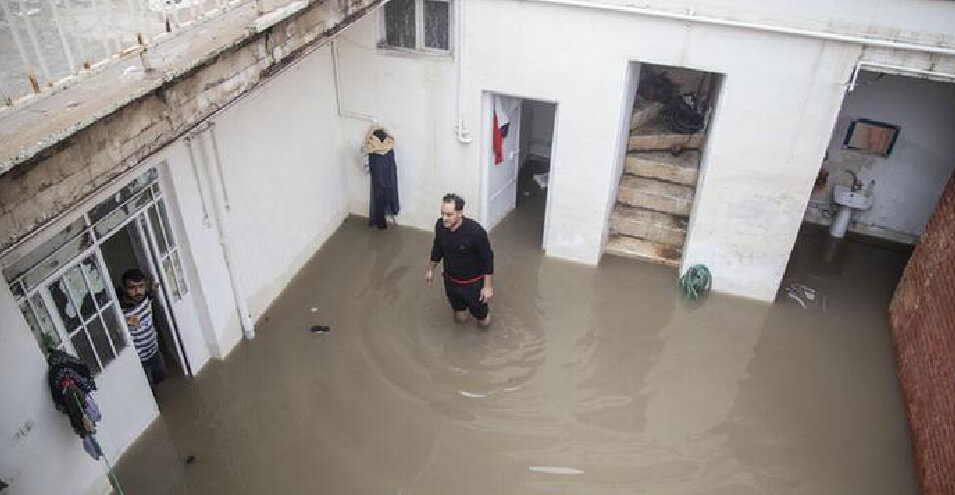
Eight Iranian provinces have been hit by flooding in the past three days, with the damage most severe in Khuzestan. Sewage and sludge have flooded homes and streets in Ahvaz, Karun, Bandar-e-Imam, and Mahshahr, and dilapidated residential areas are at risk of collapse.
Ilam, Bushehr, Khuzestan, Fars, Qazvin, Kohgiluyeh and Boyer Ahmad, Golestan and Lorestan have faced flooding and waterlogging of roads and difficulties in the past 72 hours.
The Red Crescent announces relief operations for flood victims in Khuzestan, Bushehr, Ilam and Kohgiluyeh and distribution of food, clothing, hygiene products and heating equipment. This is while the people of Khuzestan, especially the residents of Abadan, Khorramshahr and Ahvaz, are worried about houses collapsing due to mud and sewage entering their homes. This risk is greater in marginal areas due to the dilapidated structure of the houses. The health consequences of this situation, especially in the red corona conditions, are very serious.
ILNA News Agency writes that one of the reasons for the rise in water and sewage levels on the streets of Ahvaz is the flood two years ago, which created alluvial layers and sediments in the rivers, and the rivers no longer have the necessary capacity: "With minimal rainfall, they push water back into the canals and urban sewage pipes."
Mehran Babapour, a member of the Ahvaz City Council, told ILNA that the city's flooding problem has been a problem for years and is not relevant to today or yesterday: "No action has been taken to improve the city's sewage system for 20 years, and the sewage problem is like an old wound that resurfaces with every rainfall."
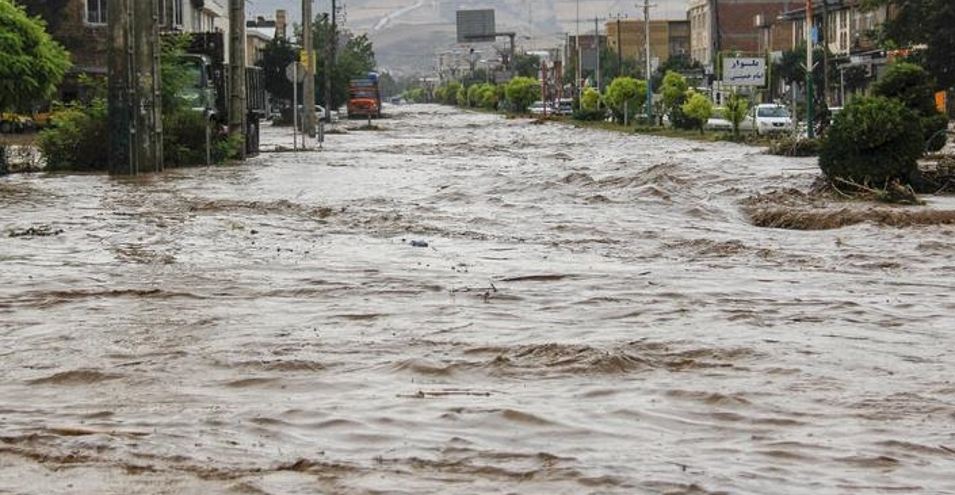
In addition to most neighborhoods in Ahwaz, areas in Abadan such as Zolqari, Alvaniyeh, East and West Salich, or the outskirts of Bahmanshir have been submerged. There is also extensive flooding in the ports of Khorramshahr, Imam Khomeini, and Mahshahr.
Now, the residents of Ahvaz live in mud, sewage, and fear that their dilapidated homes will collapse. Images published in the media show flooded streets and cars submerged up to their fenders.
Environmental activist Masoud Kanani says that due to the narrowing of rivers and the increase in sediment levels, water with minimal rainfall flows directly into sewers and pipes, which flow through the city's streets, especially in areas along the rivers.
Kanaani complained that the relevant officials have not fulfilled their management duties. He also considered the provincial assembly of representatives to be involved in covering up this inefficiency, saying: "We have witnessed this management weakness in the past in the sewage, dust, and acid rain crises."
Mehran Babapour, a member of the Ahvaz City Council, told ILNA that the city's flooding problem is not related to today or yesterday, but rather a problem that has been going on for years: "No action has been taken to improve the city's sewage system for 20 years, and the sewage problem is like an old wound that resurfaces with every rainfall."
Flood headquarters have now been established in eight districts of Ahvaz and surface water collection committees are on standby, but Babapour has warned that if the rainfall continues and intensifies, the situation could become critical.
Ahvaz has 2,400 kilometers of sewage network, of which 1,100 kilometers are worn out.
Source: DW