Pakistan's Balochistan's new law challenges harmful 'child marriage' traditions
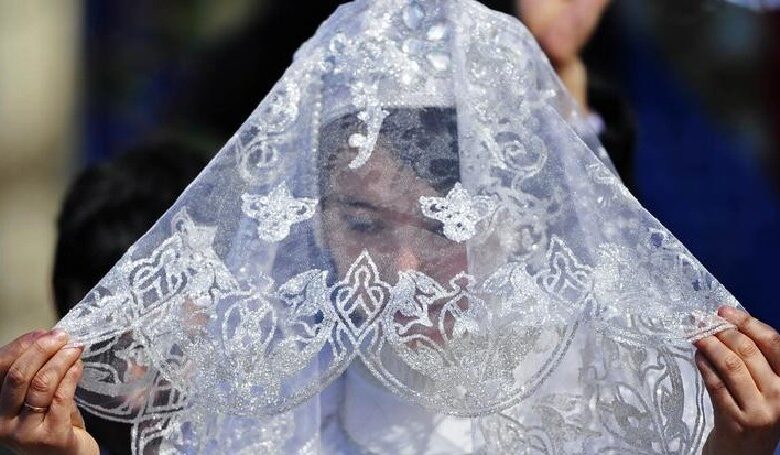
The passage of a new law in Balochistan is a serious step against "child marriage" and a response to years of child abuse under the guise of social traditions.
In a rare and controversial development, the Balochistan Provincial Assembly of Pakistan has passed a bill that aims to end one of the most prevalent and harmful social phenomena in the country – child marriage – by raising the legal age of marriage to 18. The new law, titled the “Balochistan Child Marriage Prohibition Act 2025,” is now on the governor’s desk for signature and finalization.
This law, for the first time in Balochistan, imposes specific and severe penalties for perpetrators of child marriage: "2 to 3 years in prison for adult men and those who facilitate this marriage, a fine of between 100,000 and 200,000 rupees, and in case of non-payment, an additional three months in prison."
Marriage registrars and local council staff have also been required to check the identity cards of the parties before registering a marriage. Failure to do so is also a crime and carries a prison sentence of up to one year and a fine of 100,000 rupees.
With the implementation of this bill, the 1929 colonial-era law, which no longer meets current realities, will be repealed in Balochistan. The new law even declares marriages that were concluded under duress, coercion, or immorality null and void and requires the government to formulate detailed implementing regulations for it within six months.
Despite the importance of the measure, the atmosphere in parliament was tense during the vote. Islamist representatives strongly opposed the law, some of whom surrounded the speaker's chair and even tore up copies of the bill.
Opposition leader Younes Aziz Zuhri, in response to this new law, said: "This law was passed only to satisfy non-governmental organizations."
"Asghar Tareen," another representative protesting the law, also warned: "We will challenge this law in court."
Despite these struggles, the passage of the bill shows that part of Pakistan's governing structure, especially in Balochistan, is trying to curb forced marriage and child marriage, which for years has destroyed the future of thousands of girls and boys as a wrong tradition.
This change, if accompanied by adequate monitoring and firm enforcement, could be a turning point in the fight against hidden violence against children in Pakistan and provide new hope for generations who have fallen victim to unjust practices.