Lindsey Graham: Iran is a religious Nazi regime, no to nuclear deal, yes to regime change
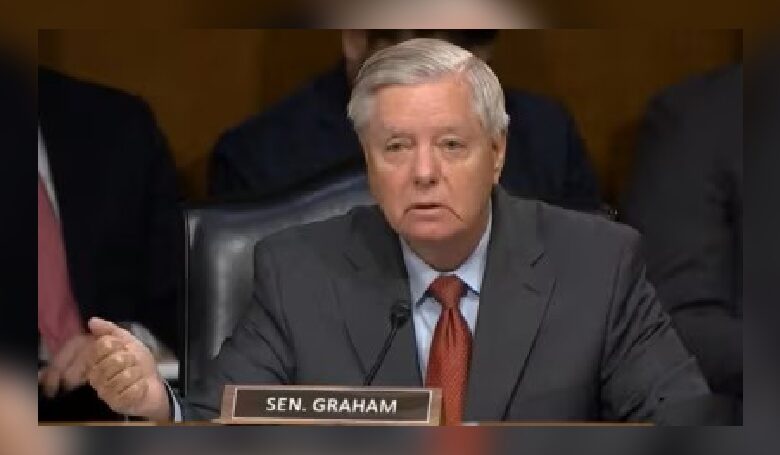
Lindsey Graham launched a harsh verbal attack against the Islamic Republic and openly supported the Iranian protesters, calling the Islamic Republic "religious Nazis" and emphasizing that their goal is the end of the regime, not a new nuclear agreement.
Republican US Senator Lindsey Graham, in a message he posted on the social network X, sharply analyzed and judged the current developments in Iran and the nationwide protests against the government. He wrote: “The Nazi and murderous religious regime of Iran and a fair nuclear deal do not fit in the same sentence.”
He made it clear that the Iranian people are seeking the end of the Islamic Republic’s rule, not a new nuclear deal. “The protesters, thousands of whom have died, are not seeking a new nuclear deal for the ayatollahs; they are seeking an end to the oppressive Islamic Republic’s rule so they can live freely and without fear,” Graham added.
At the end of his message to the protesters, he said: "Continue to protest; help is on the way."
This harsh stance, both from the perspective of criticism of Tehran's policy and from the perspective of support for domestic Iranian protests, has been met with mixed reactions in the American media and analysts.
Senator Graham, a hardline figure in American foreign policy and a staunch opponent of Tehran's policies, has repeatedly supported aggressive positions against the Iranian government's nuclear program and behavior. He and other Republicans have previously called for stronger measures against Iran's nuclear program and increased military and political pressure.
These developments are occurring while US President Donald Trump has also called the situation in Iran threatening in his media messages and called for stopping the nuclear program and suppressing protesters. According to international media reports, Trump has emphasized in his new positions that Iran must both stop its nuclear program and stop its domestic repression, otherwise it may face a more severe reaction; in this context, he has spoken of the existence of a huge military fleet in the Persian Gulf and readiness for action.
Protests in Iran, which began over economic and political issues, have in recent months become one of the largest waves of protest in decades. Independent media and analysts report that thousands of people have lost their lives in the crackdown and that severe restrictions have been imposed on internet and media communications, exacerbating the information crisis and increasing external pressure as the protests continue.
Globally, reactions have also been mixed: some governments have called for increased diplomatic pressure and sanctions against Tehran, while others have called for maintaining diplomatic channels to prevent escalating tensions and spreading conflict in the region.
As the positions of American senators and officials have become increasingly hawkish, international analysts are concerned about the increasing possibility of an escalation of the crisis. The US president, emphasizing the need to halt Iran's nuclear program and end the repression of protesters, has announced that various options, including military pressure and tougher sanctions, are seriously on the agenda.
At the same time, some European leaders and regional countries have also reached similar positions and expressed concern about the continuation of tensions, however, their approach to resolving the crisis is further pursued through diplomatic channels.
Senator Lindsey Graham's stance against the Islamic Republic of Iran, describing the Iranian regime as a "murderous religious Nazi regime" and his emphasis that Iranian protesters do not want a nuclear deal but rather the end of the current government, reflects a sharp escalation of US criticism of Tehran.
This message, published on the X social network, along with a promise of support for the protests and a hint of help on the way, could be a sign of an attempt to engineer political and strategic pressure against the Iranian government at a time when tensions in international relations are increasing and there is a possibility of diplomatic and even military confrontation.