Ibrahim Kebatdar's mother: I don't want my child's killer to be identified as blood money
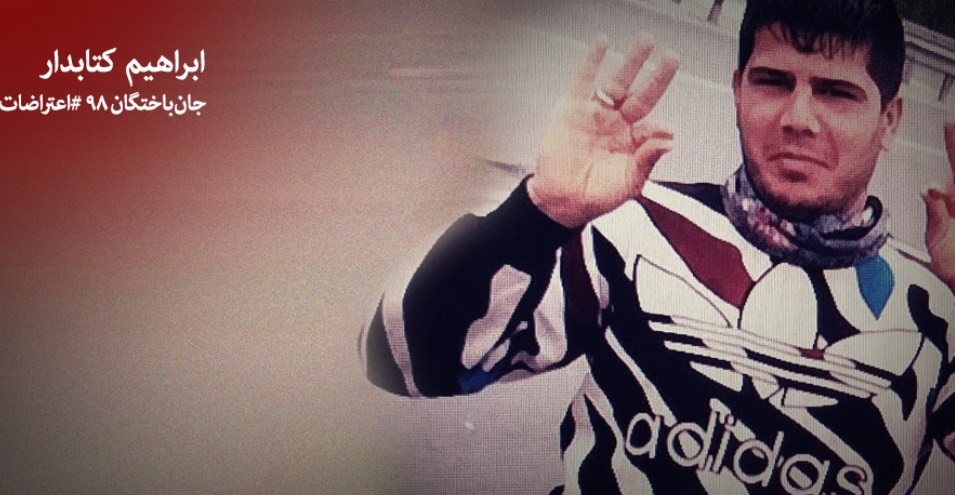
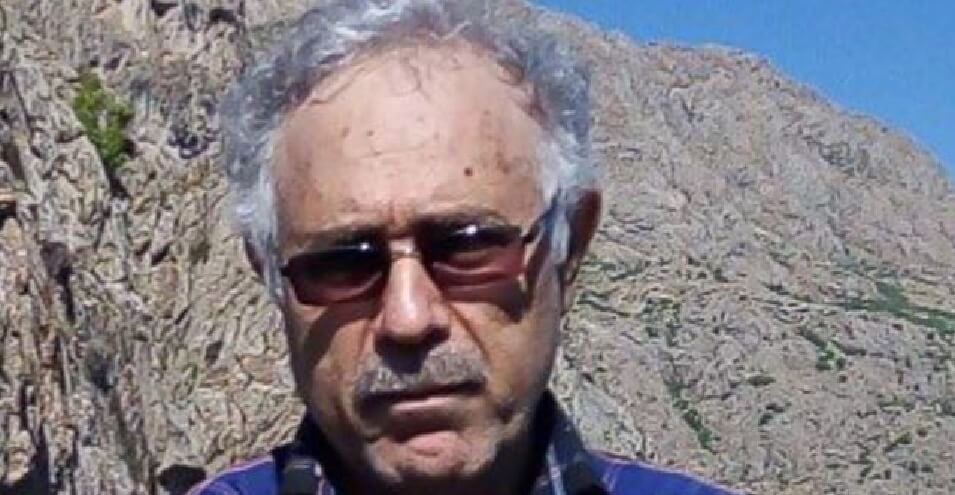
Sakineh Ahmadi, the mother of Ebrahim Kebatdar, who was shot dead in Mehdi Abad, Kianmehr, Karaj on Saturday, November 15, said in an interview with the Campaign for Human Rights in Iran that he was shot in the heart in front of his workplace while his hand was in his pocket and died.
According to his mother, Ibrahim Kebatdar's death certificate states that he was shot in the heart outside of a fight.
Sakineh Ahmadi, the mother of Ebrahim Kebatdar, told the campaign that she neither wants blood money nor will she allow her son to be declared a martyr, and that her desire is to identify his killer.
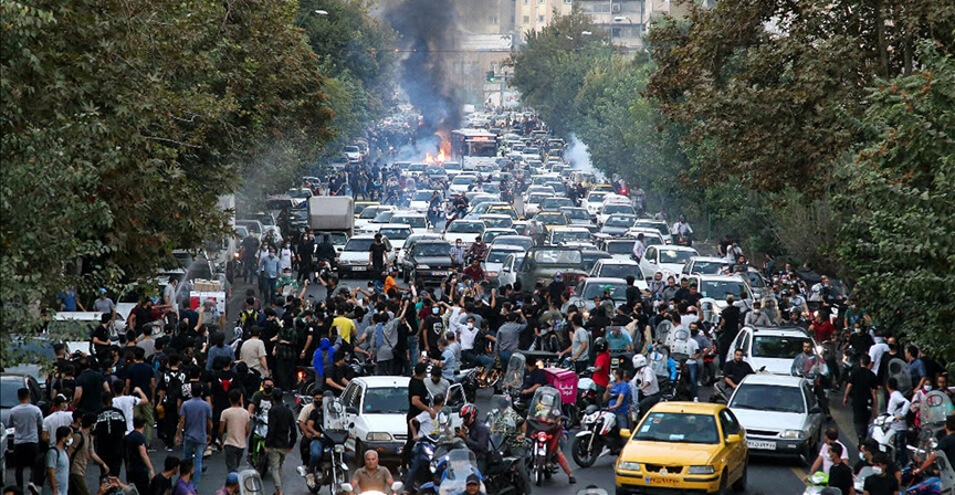
There is no exact figure for the number of people killed in last week's protests in Iran. The Islamic Republic's authorities refuse to provide official figures for the number of dead and those arrested. Reuters reported on Monday, citing sources in the Iranian Interior Ministry, that around 1,500 people were killed during the November protests and that the Iranian leader had ordered an end to the protests "by any means possible."
The Campaign for Human Rights in Iran has stated in a statement that the Iranian authorities' use of violence against protesters in Iran, including the use of firearms and weapons, has resulted in the deaths of hundreds of people, and that these government actions amount to a clear and unjustifiable violation of international law and must be stopped immediately.
Ibrahim was a 30-year-old bookkeeper and father of two whose mother told the campaign about how he was killed: Ibrahim had gone to the store and was a businessman. He lived with us with his wife and children. I called him to come home for lunch and his father had followed him for lunch. But as soon as Ibrahim came out of the store, both hands were in his pockets when a bullet hit his heart. He was not in the conflict nor had anything to do with the conflict, but he had been targeted. Less than ten minutes after I called Ibrahim for lunch, they called me and said Ibrahim had been shot. I said, what do you mean, shot? They said the police and Basij were sent here and there was a conflict. There was no conflict at all. We are in Mehdi Abad Kianmehr in Karaj, near Qezel Hesar prison, and this is a marginalized area, no one had anything to do with it. On what grounds and why did they hit my child? I don't know where to file my complaint.
Ibrahim Kebatdar's mother told the campaign: "They killed my innocent child. My son was the only one in the world. He was jealous. He didn't take anyone's rights, he didn't force anyone, and he wouldn't accept force. He didn't bother anyone, he didn't force anyone, and he didn't turn his back on anyone. He was fearless, and now he's not. They killed him, and not a single person came to my door to tell me that at least his child was killed and he has two orphans. At night, I hug the children, walk through the streets, and sing lullabies. Two children, 4 and 2 years old. Mohammad's wife is also 24 years old, and what can I say to her that they killed her husband at such a young age and orphaned her children? Who wants to answer back?"
Sakineh Ahmadi told the campaign about the commitment they took from Ebrahim Kebatdar's father to hand over his body: "They said your son was shot, I fell barefoot in the street. God does not accept this injustice. I ran barefoot in the street and saw that it was the Day of Judgment. They were shooting people, beating women. They were beating anyone who passed by. They had taken him to Shariati Hospital and when I arrived, I saw my child's lifeless body lying on the floor, on ceramic tiles. No one paid any attention. I threw myself on top of my child. They took him from me and took him to the morgue. Two days later, they handed him over to us. They would not hand him over. We took him by force, crying, begging, and calling him Hussein. They had taken him to Behesht Sakineh and I went, begging, begging, saying, 'You killed my child, let me take him.' They finally gave him over. They did not take any money from us, but they took a commitment from Ebrahim's father. His father is also an old man and they scared him. They told him not to make any noise or do anything, and to hand over the body." Then they said, "Thank God we gave you your body." Why? My child, who was neither in the fighting nor had done anything, had not set fire to anything, but they set us on fire.
Ibrahim Kebatdar's mother told the campaign about the restrictions on her son's 40th birthday party: "I have been planning the party since the first day until today. Every five 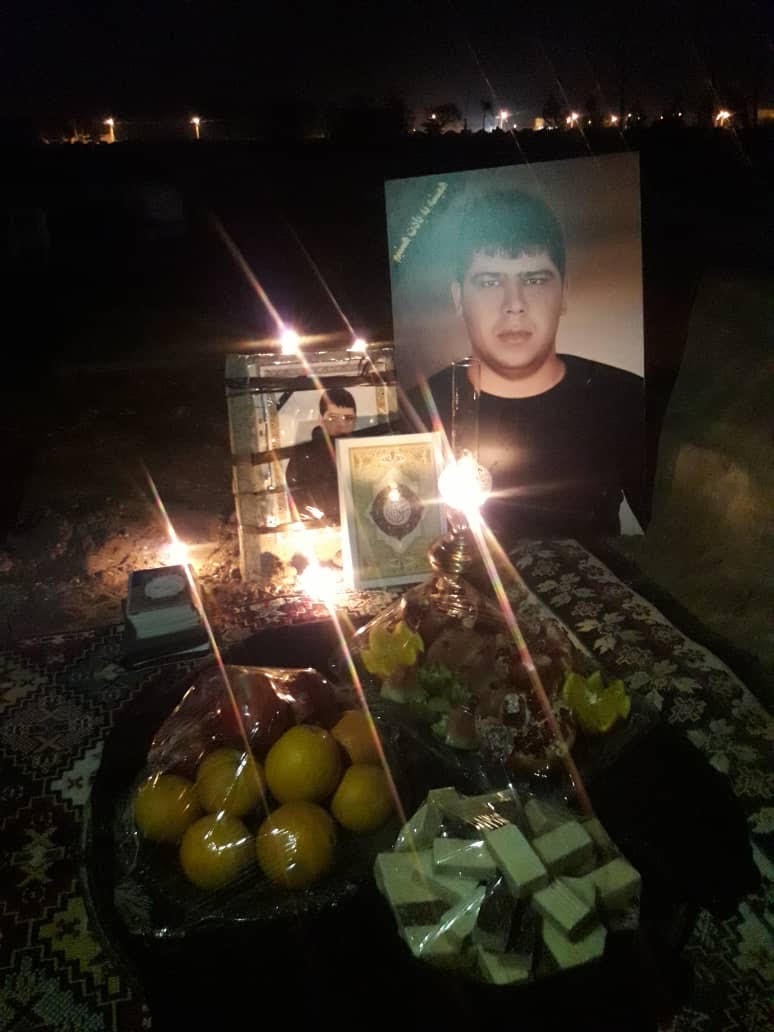 Saturday Ceremony
I have taken it. But on the 40th, they all put on civilian clothes, Bibi Sakineh, and surrounded us. When they killed Imam Hussein, the Yazidis surrounded Zainab, and Zainab said, "I will go defend my brother, then they will kill me." They surrounded me at my child's grave. I cried and shouted, "Oh, Hussein, oh, oh!" The people didn't do anything out of fear. There were guards everywhere, their faces were covered, and they were everywhere. My heart was on fire. The people are not behind us, the people are scared. I said, "On the 40th, I will shout, the people are behind us, but they have scared the people. The people see us going to the grave, we shout, they leave us alone, and they walk away from us. The people are afraid, they arrest everyone.
In response to the question that the Islamic Republic officials have declared a number of the dead as martyrs and are paying blood money to their families, Ebrahim Kebatdar's mother said: "How can they declare my child a martyr? When my child was killed innocently in front of his own shop, what blood money should I get? I don't want blood money, I want my child's killer. They should kill me, but they should pay my child's killer. What should I do if I want blood money? I am selling a dervish hut. I will pay double the price. They should pay my child's killer. I will just hit their child's hand and see if they accept it. Can they tolerate it? In the first days, I was not there. Several officials had come and talked to Ebrahim's father. My children were upset. They left and no one came again, but they threatened to beat them and beat them. They scared my children. Like the Pouya family who killed their child and arrested and imprisoned themselves, they scared my children too. But I am a mother. I have laid down my life for my child and I am not afraid of anyone. I am one person, they cannot scare me. I hug her children and go out into the streets, only to have them come and kill me and her children too.
Pouya Bakhtiari was a 27-year-old young man who died from a direct gunshot wound on Saturday, November 15, in Mehrshahr, Karaj, and on the eve of the 40th anniversary of his death, his family members were arrested.
Source: Iran Human Rights Campaign