Raheleh Rahmipour's Deprivation of Medical Treatment, Imprisonment, or Gradual Death
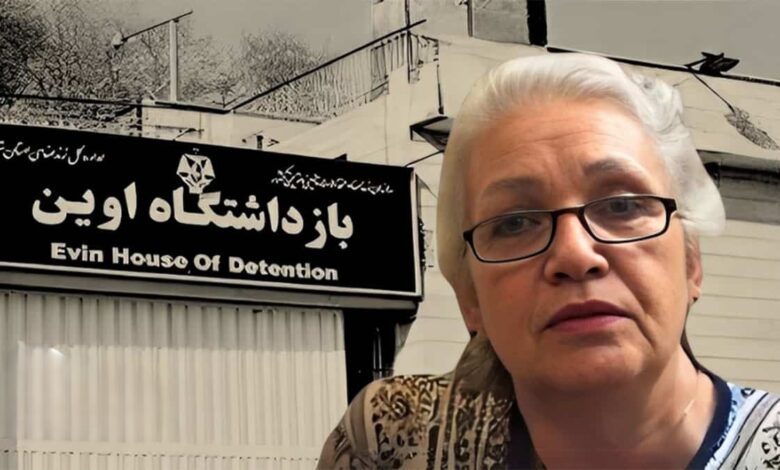
Despite her deteriorating physical condition, Raheleh Rahmipour is deprived of medical treatment and is experiencing a gradual death in Qarchak Prison in Varamin.
Raheleh Rahemipour, a 73-year-old civil activist, is still being held in Qarchak Prison in Varamin without receiving the necessary medical care despite suffering from dangerous illnesses including a brain tumor, heart problems, and diabetes. This is despite the fact that the responsible medical institution has determined that her health conditions are unsuitable for enduring imprisonment and has emphasized the need for her immediate transfer to medical centers outside the prison.
Despite official medical confirmation that the prisoner is unable to continue in detention, no serious action has been taken to grant her medical leave or conditional release. Sources close to Ms. Rahemipour's family say that her physical condition is worrying and that the tense prison environment has exacerbated her illnesses.
Raheleh Rahmipour had previously been transferred to the hospital several times in Evin Prison due to heart attacks and seizures, and in one case required urgent angioplasty. She was transferred from prison to the hospital in August 2024 due to worsening headaches, and imaging results showed that the previous brain tumor had grown and a new mass had formed nearby.
Despite the family's efforts, the authorities have evaded accepting legal responsibility for making decisions about the prisoner's medical condition and have not specified which body can ultimately decide on his release or deportation.
Rahemipour was arrested in November last year and initially transferred to Evin Prison. After a recent attack on the prison, she was transferred to Qarchak Prison with a group of female prisoners. The transfer, which took place in silence, has raised concerns about the prisoners’ limited access to medical facilities, contact with family, and living conditions.
According to the latest ruling issued by the Court of Appeal, the prisoner's sentence has been reduced to four years and two months, but he is still serving his sentence, while many doctors consider his continued detention in prison to be a serious threat to his life.
The government’s disregard for the health of political and ideological prisoners, including Raheleh Rahmipour, is indicative of a systematic process of silent and brutal repression that civil society activists face in the Islamic Republic. Deliberate deprivation of treatment, psychological pressure, sudden transfers, and denial of legal responsibility by judicial institutions are just some of the tools used to physically and mentally degrade dissidents. This approach not only contradicts the basic principles of human rights, but also adds to the wounds of a society that demands justice, human dignity, and freedom of expression.