The confrontation between sword and love in Iran
Sara.Kh. FCNN News Agency: A common and widespread concern has forced those involved in affairs in Iran to act. Politicians and those who have been running affairs for decades, already smeared with the religion of Islam, and looting people's tables, are more agitated than others.
The growth of Christianity among different segments of the population, especially the young and academics, is the cause of this common concern.
Because history is a true witness and confirms that in different periods, the underlying part of the social, political, and economic changes that have taken place in Iran has been strengthened by the changing views and bold movements of the youth and the educated and academic classes.
This fear and concern of the Iranian authorities is so great that they are unwilling to officially or even unofficially announce statistics on this matter. They even deny the statistics announced by other sources. However, these same statistics indicate that more than a million new Christians have secretly converted from Islam to Christianity.
Meanwhile, the authorities are unaware that their simplistic approach to this enlightening and saving movement will not lead anywhere, and will only serve to erase the face of the problem.
Of course, the clubs of gold, force, and deceit are being swung against this movement in various forms and are landing on the united front of the neo-Christians.
Threatening warnings
Meanwhile, we see that most of the regime's loudspeakers, including Friday imams, have been warning about this event for some time now, and in a commanding tone, they are asking people to take care of their children.
On the other hand, the Islamic Republic regime is taking violent and aggressive actions against non-Christians to stem the flood that will bring salvation instead of destruction.
This is despite the fact that Iranians' tendency towards Christianity is rooted in the history of this land, and dates back to before the Arab invasion of this land.
Confronting Christian gatherings
The coherent and formal growth of Christianity in Iran, however, occurred with the establishment of Persian-speaking Christian groups from the Qajar period, coinciding with the translation of the Bible.
From that time on, these Christian groups, mostly Protestant, began building churches in various cities in Iran.
The construction of Christian hospitals and schools also gained momentum in various cities.
But with the Islamic Revolution, many of these churches were destroyed or closed, and authorities declared any evangelistic activity by Persian-speaking Christians illegal.
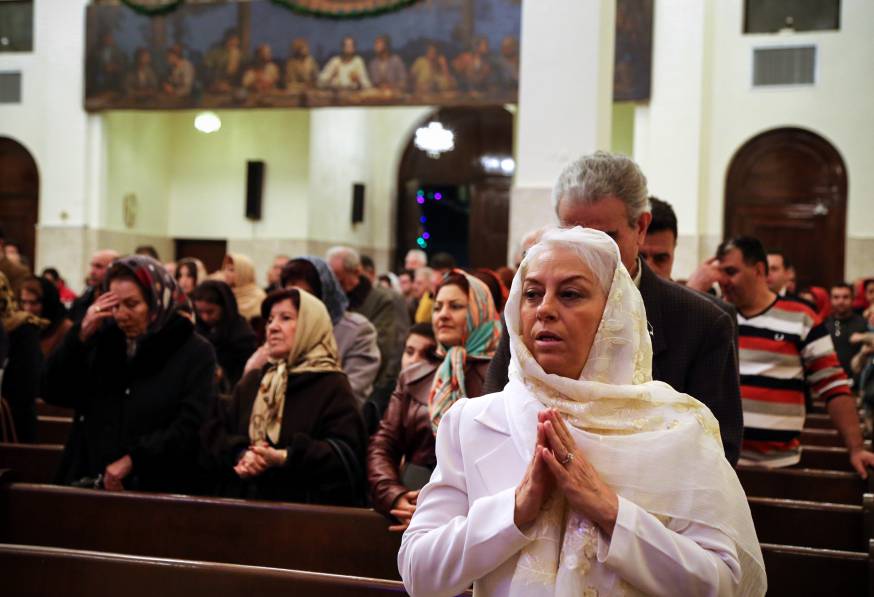
So much so that now only a few Persian-speaking churches are active in Tehran, and in other cities, building Persian-speaking churches or restoring and re-establishing churches is considered a crime. Even in Tehran, the presence of Muslims in churches or Christian religious ceremonies is considered illegal evangelistic activity.
The unprecedented growth of house churches
Meanwhile, the increase in house churches in the country is an example of the ineffectiveness of the regime's efforts to suppress the tendency towards Christianity in Iran.
This issue remains one of the main concerns of security and religious institutions, despite the imprisonment and torture of the perpetrators.
The number of house churches in Tehran has increased to such an extent that not only religious authorities and security institutions, but also imams in various neighborhoods of the capital are concerned about it.
Sheikh Nusratullah Hatfi, the Imam of the Seyyed Sajjad Mosque in Tehran, recently warned, referring to the promotion of Christianity among the layers of society, that today Christians present the Gospel to our youth in the most beautiful way possible, and in various neighborhoods, especially in the Bani Hashem neighborhood of Tehran, dozens of houses have been established as churches and are promoting Christianity.
Raids on private gatherings
Violent attacks against Christians in the country have become so rampant that even their private and family gatherings are being attacked by government agents.
The arrest of a group of Christian citizens at a family party in a garden in Firuzkooh County is one such example.
این قبیل برخوردها در تابستان امسال درمهمانیهای خانوادگی و مجالس جشن و عروسی مسیحیان در آمل، مشهد ، گرگان ، تهران و شیراز هم روی داده است.
انتقال بازداشت شدگان در این یورش ها به مکان های نامعلوم از دیگر تدابیری است که دست اندرکاران می اندیشند.به این خیال که وحشت آفرینی می تواند در برابر رشد مسیحیت در ایران ابزاری کارآمد قلمداد شود.
رشد مسیحیت در شهرهای مذهبی
اما هیچ یک از این ابزارهای تهدیدآمیز و خشونت بار نتوانسته است نومسیحیان نجات یافته را از ادامه راهی که در پیش گرفته اند، بازدارد. این ناکامی عاملان شرارت بر علیه رشد مسیحیت در ایران اقدامات بشارتی را هم متوقف نکرده و مسیحیان با قوت هر چه تمام تر برای نجات هم میهنان خود اقدام می کنند.
جالب این است که دست اندرکاران امور در کشور به رغم تایید این ناکامی در مجالس محرمانه حاضر به پذیرش حقیقت نیستند و همچنان به خصومت ورزی ادامه می دهند.
وحید خراسانی از مراجع تقلید بنام در قم چندی پیش با اشاره به این که “کلیساهای خانگی” غوغا می کنند، هشدار داد که جوانان مسلمان در حال گرویدن به مسیحیت هستند.
او حتی تاکید کرد که در شهر قم هم جوانانی از اسلام عدول کرده و مسیحی شده اند.
این مقام مذهبی ادعا کرد که برای اثبات گفته هایش آمار این نومسیحیان را هم در اختیار دارد.
این در حالی است که در زمان رژیم پهلوی به رغم آزادی مسیحیان در بشارت و هر گونه فعالیت تبلیغی، گرایش مسلمانان به تغییر دین در ایران، چشمگیر نبود.
بی اعتنایی به واقعیت
در این میان قدرتمداران رژیم حاضر نیستند با پذیرش واقعیت نسبت به آسیب شناسی روش هایی که برای مسلمان ماندن مردم بکار می گیرند، اقدام کنند.
حتی نمی توانند بپذیرند که خشونت و حبس و شکنجه قادر نیست گرایش به تمایلات فطری و تاریخی ایرانیان نسبت به مسیحیت را تحت تاثیر قراردهد.
در حالی که شواهد امر گواه این ادعاست.
به عنوان نمونه به گفته برخی از مذهبیون، هیات های مذهبی که زمانی نماد ارزش های نهادینه شده اسلام بوده اند، اکنون در جایگاه نامناسبی قرار دارند.
به گونه ای که هیات ها با بی نظمی و بی برنامگی عجين شده و بهانه ای برای قدرتمندی هیات داران و گردهم آمدن افراد فاسد و فرصت طلب را فراهم آورده اند.
این در حالی است که قرن هاست عزاداری برای امامان شیعه در باورهای دينی و اعتقادی برخی اقشار جايگاه خاصی داشته و عوام ناآگاه با شرکت در این قبیل مراسم فرصت سوء استفاده از اعتقادات خود را به زورمندان می دادند.
اما اکنون شرایط به گونه ای رقم خورده که جوانان ترجیح می دهند به جای حضور در این قبیل مراسم، در گردهم آیی ایمانداران شرکت کنند و از تعالیم مسیحیت بهره بگیرند.
و این حکایت ها ترس و به دنبال آن واکنش های بی سرانجام را به جان مسئولان انداخته است.
شکی نیست که اگر این افراد متحجر حاضر بودند تاریخ را ورق بزنند در می یافتند که مسیحیت در خون ایران و ایرانی ریشه دارد و مقابله خشونت بار با رشد این طریقت عرفانی در سرزمینمان، جز زیان را نصیب دولتمردان نمی کند.
صفحه ای از تاریخ
تولّد عیسا مسیح در زمان پادشاهی فرهاد چهارم و یا به روایتی فرهاد پنجم ، پادشاه اشکانی و به صلیب کشیده شدن عیسا مسیح در زمان پادشاهی اردوان سوم که از سال های ۱۱ تا ۳۸ میلادی پادشاهی می کرد روی داد.
پس از به صلیب کشیده شدن عیسا مسیح ، شاگردان وی در سرتاسر آسیا و اروپا پراکنده شدند . پادشاهان اشکانی به دو دلیل از مبلغان مسیحی پشتیبانی می کردند.
نخست این که پادشاهی آنان برپایۀ آزادی های دینی و احترام به همۀ باورها استوار بود و دیگر این که روم ، دشمن سرسخت آنها به شمار می رفت و پشتیبانی از مسیحیان از دیدگاه سیاسی نیز می توانست برای آنها سودمند باشد .
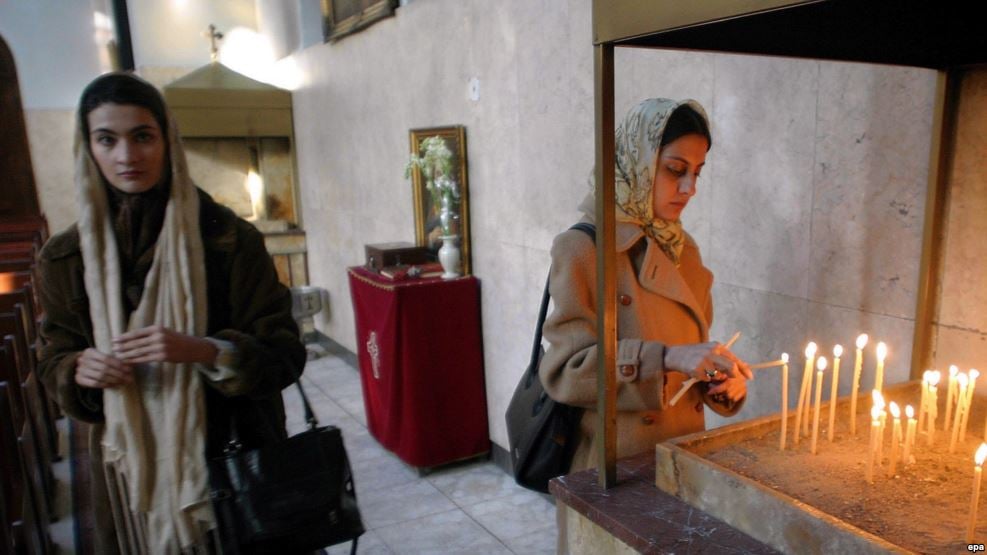
Moreover, during this period, Christian missionaries in Iran were warmly welcomed by the people, because the message of Christ's love, mercy, and forgiveness, in addition to being in harmony with the temperament and character of the masses of the Iranian people, was also compatible and in harmony with the ideas and teachings of the Mithraic religion or the Mehr religion, which was one of the ancient religions of Iran and had many adherents among the masses of the people.
Thus, Christians in Iran had freedom of action and propaganda for nearly two hundred years, and countless groups of Iranians converted to this religion. The major centers of Christianity were the western provinces and also the northeastern lands of Iran.
At the beginning of the 3rd century AD, the religious atmosphere in Iran, and subsequently in the Middle East and Europe, changed. In Iran, Ardashir Babakan, the ruler of an Iranian clan in Persia and with close family ties to Zoroastrian leaders, rebelled and fought against Ardawan V, the last Parthian king.
The victories of Ardashir, and especially those of his son Shahpur, who defeated and captured the Roman Emperor Valerian in 260 AD, strengthened the foundations of the Sasanian state. The leader of the Zoroastrian clergy, or Mobedan Mobed, at that time was a man named "Kartir", who had great influence and power in the Sasanian leadership.
Ardashir Babakan and his son controlled the power of the Zoroastrian clergy, but despite all this religious fanaticism, it reached its peak during the reign of Shahpur I.
However, the establishment of a social class system during this period, which was shaped to the benefit of influential minorities and to the detriment of the majority of the people, led to dissatisfaction among the masses over time.
In these circumstances, Christianity and its mystical attractions attracted many Iranians. While in Sasanian Zoroastrianism, the king was the link between God and his servants. In Christianity, man was known as the child of God and his relationship with God was considered a direct relationship. From a social perspective, Christianity was at its heart a kind of socialism and considered the power of the big landowners and the rich to be nothing.
In such a way that all believers lived together and shared in everything. Simplicity and contentment, which were principles of Christianity, also spread among believers.
In this way, Christians became popular among the people through their gratitude and worship of God and their unwavering love for others. And the tendency towards Christianity grew.
In 313 AD, when the Roman Emperor Constantine declared Christianity the official religion of Rome, politics became mixed with Christianity, and the result of this mixing was the persecution of Christian Iranians in the Sasanian Empire.
For political reasons, during the reign of Shahpur II, the ninth Sassanid king, the persecution of Iranian Christians intensified. But what was the result?
Did the rulers succeed in eradicating Christianity in Iran or prevent its growth? If they and other powers opposing the growth of Christianity in Iran had succeeded in various periods, we would not be witnessing the unprecedented growth of Christianity in Iran today.
What Iran's leaders are facing today is the repetition of history.
However, with a simple assessment and survey, they can find out what Islam has done to Iran and Iranians in the past 14 centuries and the last 4 decades.
Final word
In the current situation, where corruption, crime, and disregard for human values are widespread and threaten individual and social security, it is appropriate for the authorities claiming to be reformists in Iran to judge the changes that have taken place among the neo-Christians without prejudice.
And by conducting field research and evaluating feedback on the growth of Christianity in Iran, they can make decisions to counter this movement.
New Christians do not expect support from the authorities. But in a situation where our country is experiencing a decline in terms of culture and humanitarian indicators, Islamic missionaries are expected to stop confronting Christian missionaries so that they can take action to save their fellow countrymen by utilizing their shared teachings.
Only then can we have hope.
May noble and pure thoughts emerge, and may we all be free from narrow-mindedness, pessimism, and hatred.
In that case, by striving for understanding, we will be armed with the weapon of love and will be able to fight with respect for each other's beliefs to form and sustain a religious community.
There is no doubt that the current challenges in Iran threaten followers of all religions.
And ignoring the consequences of fruitless and crushing actions in these circumstances will burn both wet and dry together.
Because the spread of addiction, corruption, and crime does not recognize the rich or the poor, and will affect the entire nation.
May God pour mercy and compassion upon the hearts of those in power in Iran, and with the constant song of grace, soften their hardened hearts.