The Cyrus Cylinder and the "Life-Changing Decree" from the Perspective of the Israeli Embassy in the United States
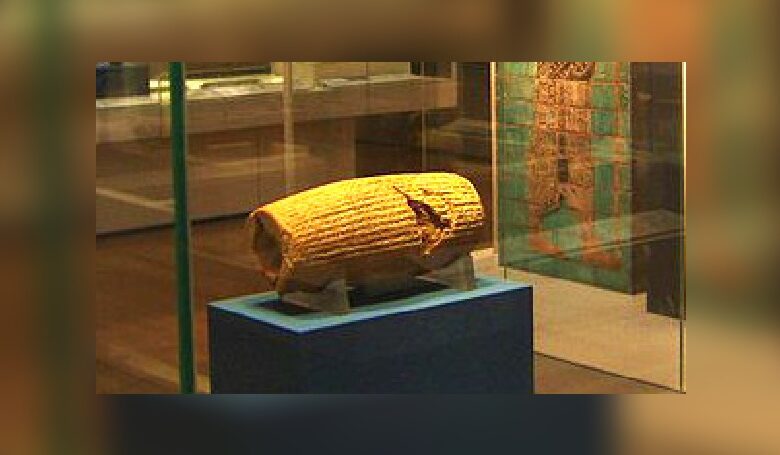
The Cyrus Cylinder marked the liberation and return of the Jews to the Promised Land, and was reflected today in the Israeli Embassy's message on the X social network.
The Israeli Embassy in the United States, posting an image of the Cyrus Cylinder on social media, known in the ancient world as a symbolic document of freedom and justice, described it as a "life-changing decree" and once again emphasized the historical significance of this work in the return of the Jewish people to the Land of Israel after centuries of exile.
The Israeli embassy message said: “The Cyrus Cylinder speaks of freedom and return; the moment when the Jewish people were allowed to return to the Land of Israel.” The diplomatic institution noted: “More than 2,500 years after that decree was issued, its message still resonates with a people who are once again living and thriving in the land of their ancestors.”
The Cyrus Cylinder, also known as the Cyrus Cylinder, is a clay cylinder inscribed with an Akkadian inscription, written around 539–538 BC during the conquest of Babylon by Cyrus the Great, founder of the Achaemenid Empire. It was discovered in the ruins of Babylon in 1879 and is now housed in the British Museum in London.
The text of this charter, according to some historians and archaeologists, reflects Cyrus' policy of returning exiled peoples to their homes, rebuilding temples, and respecting different cultures and religions. Although the text of the charter does not specifically mention Jews or Jerusalem, many see it as evidence of his relatively liberal policies that paved the way for the return of the Jews after the Babylonian captivity and the rebuilding of the Second Temple.
In the Bible, the books of 2 Kings and Ezra record that after the conquest of Babylon, Cyrus ordered the exiled Jews to return to their homeland and rebuild the Temple in Jerusalem. This historical decree is so important in Jewish tradition that Cyrus is recognized as one of the only non-Jews referred to in the Bible as the “anointed one.”
This event, known in ancient history as the "Return to Zion," indicates that during the early Achaemenid period, a significant number of Jews returned from Babylonian exile and reestablished their community in the Judean region.
Why is the Cyrus Cylinder of special importance throughout the world?
- Symbol of freedom and human rights: Many see the Cyrus Cylinder as one of the first declarations of human rights in history, although this interpretation is a matter of debate among scholars.
- A historical and cultural work: The Charter reflected a new political approach in the ancient world that, instead of suppressing and destroying cultures, attempted to gain legitimacy by rebuilding temples and honoring local gods.
- Impact on the Jewish people: Despite historical disagreements about the details of the charter, its connection to the return of the Jews to the Land of Israel is deeply entrenched in religious and historical tradition.
Today’s reflection on the message of the Israeli Embassy in the United States regarding the Cyrus Cylinder, particularly its emphasis on its historical and spiritual significance, demonstrates the continuing historical impact of this ancient document, from antiquity to today’s collective identity and memory, particularly among the Jewish and Christian communities.
This event is not only a historical reflection of an ancient text, but can also be a reminder of important promises and developments in the Bible, promises that continue to be pondered and debated in the context of history and culture.