Wave of Iranian workers and vendors in Iraq
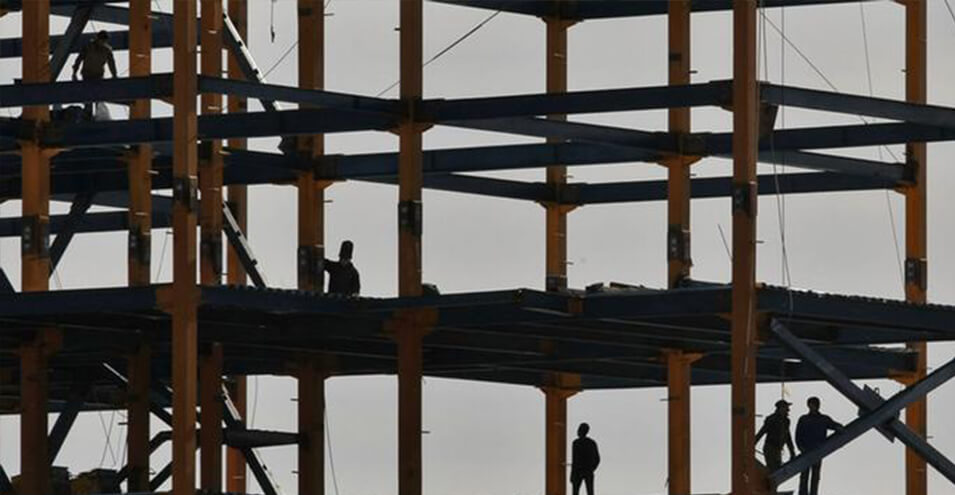
A member of the Tehran Chamber of Commerce considers the presence of Iranian unskilled workers and vendors in Iraq to be a rapidly growing phenomenon that requires organization, support, and training. He says the market for specialized construction work is in the hands of Iranian craftsmen.
Ali Shariati, a member of the Tehran Chamber of Commerce, said in an interview with ILNA News Agency that the Iranian workforce in Iraq and the Kurdistan Region has increased significantly, and it is necessary for the Iranian embassy and consulates to make arrangements to support this workforce.
He states that in recent months, Iraqi employers have become less willing to hire simple Iranian workers, and he attributes this to the lack of necessary education: "A simple worker must have a number of minimum requirements, including mastery of the language, social customs and culture, and appropriate behavior with tourists, especially women. Unfortunately, few people who have gone to the region as simple workers from Iran have met this indicator. In addition, with the influx of people applying for work, Iraqi employers are prioritizing people with university education because most of these people have the above characteristics."
Shariati says that most of those who go to the Kurdistan Region as sellers are from West Azerbaijan, Kermanshah, Kurdistan, Lorestan, and Khuzestan: "Usually, these people cover their cars, which are also their sleeping and living places, and travel to different parts of Iraq, especially the tourist areas of the Kurdistan Region, selling various goods such as handicrafts, lampshades, wall paintings, or mobile phone accessories."
Capotage means obtaining a one-year customs permit to export a vehicle out of the country.
A member of the Tehran Chamber of Commerce noted that the specialized construction market in Iraq is dominated by Iranian master craftsmen, and Iranian plasterers or stonemasons receive wages far higher than inside the country: "They receive at least 25,000 dinars or 250,000 tomans a day, which even if construction work were to boom in Iran, such an amount would not be paid to a skilled worker."
Ali Shariati also criticized the lack of proper organization of Iranian workers, saying: "Bangladeshi, Filipino, and Ethiopian workers have been able to take over service jobs in Iraq. In addition to being satisfied with the bare minimum, they are organized by companies and government organizations in their own countries. For example, a hotel manager prefers to sign a contract with a Filipino or Bangladeshi company to hire workers rather than looking for people on the streets who do not have a specific guarantor. Meanwhile, the company's workers are fully trained."
ILNA news agency quotes Ali Shariati as saying: "Most Iranians in Iraq remain in the country after their visas and residence permits expire, and if the employer does not pay them for any reason, because they are in the country illegally, they practically have no way of filing a lawsuit, or their passports are taken as collateral from the very beginning and they are no longer allowed to extend their stay."
Explaining the situation of Iranian workers, he said: "Iranian employers, exploiting religious sentiments, pay workers a lower amount and in return, they arrange for them to make a pilgrimage to Karbala or Najaf every day. Or, recently, Iraqi and Iranian employers no longer pay workers dollars and agree with them in rials."
The wave of business travel came after the devaluation of the currency and a construction slump in Iran, but there are no statistics on the number of Iranian workers in Iraq. One reason is that everyone goes to the country on tourist visas.
AFP previously reported that most Iranian workers enter Iraqi Kurdistan on a one-month tourist visa and return to Iraq after a week-long break. Most construction workers stay in cheap hostels in Erbil for $3 a night. The AFP report said that a 28-year-old man, a mathematics graduate from Sanandaj University, comes to Erbil to sell handmade plaster sculptures.
Source: DW